The Parliamentary Assembly of the Council of Europe (PACE) has decided not to ratify the credentials of the Azerbaijani delegation, citing concerns about the country’s failure to fulfil major commitments related to democratic processes, human rights, and the Nagorno-Karabakh situation. Azerbaijan has subsequently suspended its cooperation with PACE.
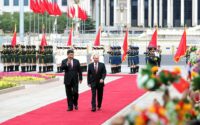
The participation of Vladimir Putin and Abdel Fattah al-Sisi in the ceremony for the fourth unit of Egypt’s El Dabaa nuclear power plant underscores the strategic significance of Russo-Egyptian collaboration. The project, led by Rosatom, marks a milestone in Russia’s involvement in Africa, signifying an expanding geopolitical influence.
Nauru’s recent decision to transition diplomatic recognition from Taiwan to China has far-reaching consequences, significantly impacting the geopolitical landscape in the Pacific region. This strategic move aligns with the broader trend of nations prioritising economic ties with Beijing over historical diplomatic affiliations. As the number of nations recognising Taiwan dwindles, the dynamics of regional alliances and security structures are evolving.
The arrest of a jihadist network in Spain underscores the persistent threat posed by Islamic State affiliates within the country. Through effective inter-agency collaboration, the Spanish police successfully dismantled a significant terrorist network and confiscated cryptocurrency channels employed for financing extremist activities.
Tensions between Turkey and the Syrian Democratic Forces (SDF) have escalated following the killing of two Turkish soldiers and 17 mercenaries by SDF operations. The SDF has conducted a series of targeted military operations against Turkish military forces and mercenaries, resulting in casualties on both sides.
The international Islamist movement, Hizb ut-Tahrir, has intensified its propaganda targeting India. Recent arrests of several militants affiliated with the group in Central and Southern Indian states, including Madhya Pradesh, Chhattisgarh, Telangana, and Tamil Nadu, confirm the covert presence of this organisation within the country.
President Kassym-Jomart Tokayev’s official visit to Italy marks a pivotal moment in bilateral relations, emphasising shared interests in energy diversification, technology, and infrastructure. The visit resulted in significant progress, with seven intergovernmental agreements, and 16 commercial memoranda signed. Key projects, including a joint venture between Eni and KazMunayGas for a hybrid power plant, underscore the expanding economic ties.
The escalating tensions between Pakistan and Iran, triggered by cross-border military actions and subsequent diplomatic fallout, have broader regional implications. Pakistan’s forceful response, coupled with its nuclear capabilities and geopolitical alliances, introduces complexities, impacting not only bilateral relations but also involving influential stakeholders such as China.
Dagestan State Pedagogical University (DSPU) and Mohammed bin Zayed University of Humanities in the United Arab Emirates (UAE) recently entered into a cooperative agreement, primarily focusing on student and teacher exchanges and collaborations in education. This development underscores Abu Dhabi’s foreign policy interests in the North Caucasus, especially given the Emirati embassy’s cultural initiatives in Dagestan.
Iran’s recent military strikes on Jaish al-Adl bases in Pakistan, following earlier actions in northern Iraq and Syria, have escalated tensions in the region. The strikes resulted in casualties, including the death of two children, prompting strong condemnation from Pakistan.
The United States is escalating its military involvement in the Middle East to counter the resurgence of the Islamic State. This includes a substantial deployment in Syria and Iraq. Concurrently, the Red Sea crisis involving Houthis’ attacks poses a multifaceted challenge, impacting regional stability and exacerbating geopolitical tensions. The situation is further complicated by the ongoing conflicts in Gaza and the broader dynamics of the Middle East.
The Red Sea, historically a vital trade route, is now a focal point for complex geopolitical dynamics driven by major global powers and regional actors. China’s Belt & Road Initiative (BRI) has spurred significant infrastructure investments and military presence, amplifying competition with the United States and other stakeholders
In 2023, the World Bank reported positive economic growth in Uzbekistan. However, the broader macro region, which encompasses Central Asia and Europe, presents intriguing dynamics. Despite the economic upturn, the Central Asian republic continues to grapple with pressing domestic challenges.
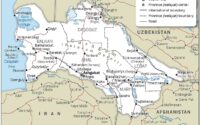
The trilateral cooperation in the energy field between Turkmenistan, Iran, and Iraq might significantly impact the Eurasian geopolitical chessboard and transform these countries as natural gas exporters and alternative key actors in the Middle East and Central Asia.
The US and British militaries conducted a significant retaliatory strike against Houthi forces in Yemen, targeting over 60 sites. President Biden emphasised that these strikes were in response to Houthi attacks on international maritime vessels, posing threats to personnel, civilian mariners, and trade and increasing the regional geopolitical risk.
Intelligence Reports (INTREPs) and Intelligence Summaries (INTSUMs) are critical components of the intelligence cycle, playing a pivotal role in providing decision-makers with timely and relevant information for strategic planning. This essay delves into the distinct characteristics, functions, and significance of INTREPs and INTSUMs, shedding light on their crucial roles in the realm of intelligence analysis.
Although Tajik President Emomali Rahmon announced to the nation a prosperous future, Tajikistan still faces essential problems related to domestic stability, the threat coming from neighbouring Afghanistan, the government’s management of Gorno-Badakhshan, and the economic performance.
Our primary aim is to facilitate informed decision-making and proactively anticipate potential challenges in Central Asia. We achieve this by thoroughly assessing and closely monitoring the region’s significant geopolitical dynamics. Through this report, we present a nuanced perspective on the factors that demand continuous scrutiny, fostering a proactive approach to navigate the complex geopolitical currents shaping Central Asia in the coming year.
Terrorists affiliated with the Islamic State might exploit the Ukrainian refugee crisis to infiltrate Germany and the European Union, posing a significant threat to national security. German security officials have reported an increase in individuals from Central Asia, particularly Tajikistan, masquerading as Ukrainian refugees, utilising false documents and fictitious narratives to evade stringent checks.
The terrorist attack organised by the Islamic State in the Iranian city of Kerman highlighted the terrorist group’s resurgence and increasing threat in the Middle East, especially against the Shia community.
While the North Caucasus Federal District demonstrates resilience, potential risks include external geopolitical influences and the need for sustained economic stability. The region’s dependency on tourism growth demands careful management to avoid overreliance on a single sector. Additionally, monitoring external pressures on the Russian economy remains crucial for sustained development.
Two bomb explosions near the tomb of Iranian General Qasem Soleimani have resulted in at least 103 fatalities and numerous injuries in Kerman. The incident occurred on the fourth anniversary of Soleimani’s US drone strike assassination.
Despite its recognition, Diyanet has been embroiled in scandals in Europe, particularly related to illegal intelligence activities and financial transactions. Its active involvement in the post-Soviet space, notably in Central Asia and Russia, reflects its role as a tool of Turkish “soft power” and an avenue for cultural and humanitarian dialogue.
The recent signing of the Free Trade Agreement (FTA) between the Eurasian Economic Union (EAEU) and the Islamic Republic of Iran represents a significant milestone in Iran’s regional economic integration. Tehran’s substantial concessions in regulatory and tariff domains, coupled with its imminent BRICS membership, underscore a strategic move towards deeper engagement with Eurasian markets.
The evolution of EU policy towards Central Asian countries, transitioning from aid-driven reforms to a strategic focus on energy security and cross-country cooperation, has entered a new phase in 2022.Geopolitical considerations increasingly influenced the European Union’s engagement, particularly in countering Russian and Chinese influence.
The Gulf of Aden and Red Sea maritime routes face heightened security concerns because of Houthi rebel attacks to support the Palestinian cause amidst Israel’s actions in the Gaza Strip. Despite the US Navy’s intervention and international commitments, major shipping companies are hesitant to resume operations, diverting routes or applying surcharges. The situation is dynamic, with varying risk assessments among companies.
In this paper published in Geopolitical Report ISSN 2532-845X Vol. 4 Year 2023, the author Giuliano Bifolchi delves into the multifaceted approach undertaken by the Russian government in managing the diverse ethnic groups and indigenous people residing in the North Caucasus.
In this paper published in Geopolitical Report ISSN 2532-845X Vol. 4 Year 2023, the author Silvia Boltuc offer a concise overview of the principal ethnic minorities existing in contemporary Iran, shedding light on their religious backgrounds and historical trajectories.
In this paper published in Geopolitical Report ISSN 2532-845X Vol. 4 Year 2023, the author Gabriele Massano examined tensions at the border between Afghanistan and Pakistan and the impact of the Taliban and Tehrik-e-Taliban Pakistan (TTP) on Pakistani security situation.
Kyrgyzstan’s economic landscape is deeply intertwined with Russia, reflecting substantial joint ventures and investments. The recent shift in language policy, diminishing the use of the Russian language, signals a departure in cultural ties. Simultaneously, Kyrgyzstan is strategically engaging with China in energy and infrastructure projects, while Turkish influence extends through education, culture, and military cooperation.
The recent telephonic exchange between Iranian President Ibrahim Raisi and Egyptian President Abdel Fattah al-Sisi marks a significant moment that underscores the potential emergence of a new chapter in the relations between Iran and Egypt.
In our latest publication, Geopolitical Report ISSN 2532-845X Volume 4 Year 2023, SpecialEurasia delves into the complex tapestry of international relations, focusing on ethnic minorities, indigenous populations, and the intricate web of bilateral relations and security issues.
The analysis of the role of Islam in Abkhazia thanks to the meeting with Nar Taniya in Sukhum allows the understanding of the country’s modern society and culture and, in addition, relations between Sukhum and the Arab-Muslim world.
SpecialEurasian, in collaboration with CeSEM – Centro Studi Eurasia Mediterraneo, published the English and Italian version of Geopolitical Report 2532-845X Special Issue 2 Year 2023 titled “Kazakhstan’s Role in the Shanghai Cooperation Organisation and Its Contribution to Stabilise Central Asia”.
Since 1979, Iran has been the primary advocate of the Palestinian cause. This alignment originates from an ideological convergence between the principles of the Iranian Revolution and the Palestinian struggle for freedom. Starting from current events, this report aims to explore the reasons behind Tehran’s unwavering support.
The report elucidates the potential that emerges from implementing this format for Greece-Central Asia relations, highlighting the mutual benefits and exploring the various topics and projects that can be undertaken within this framework.
SpecialEurasia reviewed the book “La Guerra per il Nagorno Karabakh” written by Emanuele Aliprandi. In the book, the author explored the situation in the South Caucasus, especially the last years of conflict/confrontation between Armenia and Azerbaijan over the Nagorno-Karabakh/Artsakh and the Armenian population’s struggle for peace.
In early December, Ashgabat hosted the Intergovernmental Turkmen-Turkish Commission on Economic Cooperation with Turkish delegates, readdressing the potential gas delivery from Turkmenistan to Turkey through Iran. Iran-Turkmenistan’s centuries-old relations provide the basis for a long-lasting and profitable collaboration between these two countries.
Amidst escalating concerns over the Sahel’s increasing jihadist activities and destabilisation processes that have intricately impacted regional geopolitical dynamics, this report aims to delve into the current state of affairs in the Sahel region, with a focused examination of jihadist groups and internal political and security dynamics, given the pivotal role the region plays in shaping Africa’s geopolitical landscape.
Putin’s visit to Abu Dhabi and Riyadh confirmed Russia’s strategy in the Arab-Muslim world aimed at enhancing economic partnership in energy, logistics, and trade and attracting Gulf monarchies’ investors in Russian infrastructural projects.
Delving into the realms of Finance and Economics, we probe the pragmatic utility of Warren Buffett’s methods applied to geopolitics. This strategic pivot reflects our commitment to incorporating diverse perspectives and methodologies into our analytical arsenal, ensuring a nuanced and comprehensive understanding of geopolitical dynamics.
The prospect of enhanced Iran-Afghanistan cooperation holds a dual promise: not only does it offer a pathway to augment trade and boost revenues for two nations grappling with economic challenges and Western sanctions, but it also serves as a strategic move to counterbalance the escalating economic influence of China within the Afghan market.
The recent arrest of a 23-year-old individual in Ingushetia, implicated in supporting online Imarat Kavkaz, underscores the persistent threat posed by this terrorist organisation in the North Caucasus region. While empirical evidence suggests a strong diminished operational capacity on the ground, the organisation’s propaganda remains a potent force capable of influencing local sentiments.
Since the strategic role that the International North-South Transport Corridor (INSTC) plays in the Eurasian geopolitical chessboard, Iran has adopted a strategy aimed at exploiting the benefit of this logistic project and promoting national companies such as the IRISL Group.
This report delves into the intricate details of the China-Thailand collaboration, aiming to dissect the implications of their alliance and shed light on potential future strategies that China may employ to solidify its position in the Thai market. The evolving dynamics between these two nations hold implications not only for their bilateral relations but also for the broader geopolitical landscape in the Asia-Pacific region.
This report wants to contextualise the impact and importance for Armenia that cultural events such a photographic exhibition can have in Italy, a country which in the last years has developed a strong commercial partnership and connection with Azerbaijan and has demonstrated less attention and interests to the Yerevan and Stepanakert’s position about the Nagorno-Karabakh while has privileged Baku’s narrative.
Both Saudi Arabia and Qatar have demonstrated their interests in investing in Uzbekistan’s economy and infrastructural projects in different fields. Doha and Riyadh’s investments in the Uzbek market confirms how Central Asia has become attractive for Gulf Arab monarchies since the region plays a strategic role in connecting Europe and Asia.
SpecialEurasia has been actively involved in the geopolitical analysis and consulting about the Middle East, aiding the decision-making processes of both private entities and public institutions. Indeed, recently, our team met with delegates from the Arab League, including the Ambassadors of Oman and Iraq, to discuss regional dynamics.
This comprehensive report delves into the intersection of OSINT and Mind Mapping, shedding light on the symbiotic relationship between these two methodologies. Furthermore, it extends its scope to examine a selection of five noteworthy Mind Mapping tools or software applications.
The upcoming visit to Russia of Qatar Prime Minister accentuates Doha’s role among the Arab and Muslim countries to promote the end of the conflict in the Gaza Strip and Moscow’s desire to become more involved in the Middle Eastern dynamics. Since the Russian Federation has a significant presence of Muslim people in the country and the Kremlin has adopted a foreign policy aimed at strengthening relations and economic cooperation with the Arab-Muslim world, the cooperation with Qatar and other Gulf monarchies might represent an opportunity for Moscow’s strategy in the region.
The construction of the Persian Gulf Bridge between Qeshm and the Iranian mainland stands out as a pivotal project showcasing the growing collaboration between Tehran and Beijing. This on-site report aims to uncover the current status of exchanges between China and Iran, focusing on the potential advantages and outcomes linked to the construction of the Persian Gulf bridge.
The Russian ambassador in Dushanbe recently underscored a notable upswing in collaborative efforts between Russia and Tajikistan, specifically in the realms of security and countering drug trafficking, confirming Moscow’s strategy to strengthen its influence in the Central Asian republic.
This report aims to provide a historical background on Mojahedin-e Khalq’s activities, supported by a dialogue with Javad Hasheminejad, the Secretary General of Habilian Association and the son of a political figure killed by MEK because of his leading role in the Islamic Revolution in Mashhad in the early ‘80s.
In July 2023 SpecialEurasia delved into the key aspect by visiting Cherkessk in the Republic of Karachay-Cherkessia within the North Caucasus Federal District. The occasion was the Forum of Indigenous Peoples of the Russian Federation, where our team could discuss with Mussa Khabalevich Ekzekov valuable insights into the dynamics of the North Caucasus focusing on ethnic minorities, indigenous people, and local socioeconomic developments.
This report endeavours to analyse the issue of the illegal fentanyl market proliferation in the United States and North America, aiming to delineate its primary facets pertaining to geopolitics and security. Additionally, this work strives, through various Open Source Intelligence (OSINT) investigative methodologies, to demonstrate the ease with which fentanyl consumers and buyers can access this substance by leveraging the Dark Web and cryptocurrencies
The Anzali Industrial-Trade Zone, situated in the northern region of Iran, is poised to emerge as a pivotal logistic and industrial nexus, facilitating seamless connections between the Iranian market and neighbouring countries, as well as members of the Eurasian Economic Union, the Commonwealth of Independent States, and the Shanghai Cooperation Organisation.
In October 2022, during SpecialEurasia’s official visit to Yerevan, we discussed with the representatives of the Armenian National Interest Fund (ANIF) the country’s investment opportunities and economic situation. After a year of monitoring the Armenian economic performance and investment market, in this report, we would like to stress ANIF’s role in promoting FDIs connected to the Armenian economic market and establishing a linking with United Arab Emirates.
SpecialEurasia ha pubblicato Geopolitical Report Special Issue 1/2023 ISSN 2532-845X dal titolo “La Strategia Marittima Iraniana nel Golfo Persico tra Esigenze Nazionali e Tattiche Non Convenzionali” il cui obiettivo è quello di analizzare il comparto marittimo militare iraniano e le implicazioni geopolitiche della strategia di Teheran nell’area del Golfo.
In the wake of meeting between Iran’s First Vice President, Mohammad Mokhber, and the Prime Minister of Kyrgyzstan, Akylbek Japarov, this analysis delves into the evolving landscape of Central Asia-Iran relations. The discussion, which encompassed the construction of a power plant, a refinery, and a prospective railway corridor connecting the two nations, underscores the collaborative prospects emerging within the geopolitical scenario of the region.
The Makhachkala Airport protest in the Republic of Dagestan accentuated the impact of the Israeli-Palestinian conflict in the Muslim umma (community) in the Russian Federation and the Kremlin’s necessity to manage potential tensions coming from the coexistence of different religious groups inside the country.
This report provides a high-level overview of the Israeli-Palestinian conflict from the perspectives of important local and global stakeholders. It also shows that the challenge to hegemony in Eurasia is essential to making sense of the war.
The opening of trading houses between Dagestan and Uzbekistan confirmed Makhachkala’s role in promoting its business in Central Asia and, therefore, supporting the Russian presence in this strategic market. Since the beginning of the Ukraine conflict, the North Caucasus has played a significant role in promoting the Kremlin’s economic and political presence in Russia’s blizhnee zarubezhe.
The diplomatic meeting held in Tehran stressed that Iran has emerged as a key actor in supporting the peace process regarding confrontation over Nagorno-Karabakh in the South Caucasus. It also indicated a possible shift of geopoltical influence from Europe towards East regarding the region.
This report underlines that Syria, in collaboration with its allies, Russia and Iran, must address this persistent threat to prevent further destabilisation and potential spillover into neighbouring Iraq. Additionally, a comprehensive strategy that combines economic recovery, improved security, and counter-radicalisation efforts is necessary to mitigate the ongoing influence of the Islamic State in Syria.
This SWOT Analysis might help to assess the impact of Israel’s military operation in Gaza to defeat Hamas and the Palestinian Islamic Jihad as well as future implications for Tel Aviv’s domestic and foreign policy and the geopolitics of the Middle East region considering different scenarios and regional actors.
Emomali Rahmon’s meeting with Vladimir Putin reaffirmed the enduring strategic alliance between Moscow and Dushanbe, underscoring Russia’s deliberate emphasis on fortifying collaborative efforts with Tajikistan, particularly in matters pertaining to defence and security, along with education and societal domains.
On October 11th, 2023, SpecialEurasia, in collaboration with Mondo Internazionale ASP and MInter Group srl, organised the webinar in the Italian language titled “Geopolitical and Social Dynamics in the Caucasus: current challenges and future developments.” The primary objective of this event was to delve into the intricate situation prevailing in the Caucasus region.
The presence of North Caucasian volunteer fighters within the international legion in Ukraine presents a complex dynamic with implications for the broader regional and geopolitical landscape. Notably, their vocal expressions of solidarity with Palestine and criticism of Kyiv’s support for Israel underscore a nuanced discord within the Ukrainian conflict theatre
Azerbaijan-Iran recent bilateral agreement to initiate a collaborative rail project signifies a pivotal development in the geopolitical landscape of the South Caucasus. This strategic infrastructure venture holds the potential to bring about a measure of stability to the region.
This report aims to examine potential scenarios, each bearing relevance to Tel Aviv’s prospective strategy in countering the threat posed by Hamas and Islamic Jihad, securing the release of hostages, and effectively mitigating any forthcoming dangers emanating from Hezbollah.
The Hamas military offensive against Israel underscored a critical lapse in Tel Aviv’s intelligence infrastructure and exposed vulnerabilities, thereby heightening the regional geopolitical risk.
OSINT plays a pivotal role in AML/CFT efforts because of its ability to harness publicly available information to uncover hidden connections and patterns within financial transactions. Let’s see some useful OSINT tools which can support the work of AML/CFT analyst.
In August 2023, SpecialEurasia undertook a visit to Abkhazia, engaging in discussions with Viacheslav Chirikba, Director at the Centre for Strategic Studies under the President of Abkhazia, to delve into both the regional geopolitical dynamics and the intricacies of the local socioeconomic landscape.
The recent meeting between Uzbekistan and Qatar’s representatives in Doha underscores Tashkent’s policy shift towards broadening its trade and commercial partnerships and Qatar’s strategy to enhance its economic presence in Central Asia.
The Germany – Central Asia summit held in Berlin serves as a tangible testament to the European Union’s concerted efforts to forge closer ties with the Central Asian republics while strategically safeguarding against the growing influences of Russia and China.
The recent Azerbaijani military offensive against Nagorno-Karabakh, culminating in the capitulation of Stepanakert, coupled with the subsequent meeting between Ilham Aliyev and Recep Tayyip Erdogan in Nakhchivan, has engendered heightened concerns within the international community, notably within Iran.
The recent arrest of individuals implicated in orchestrating a series of violent assaults within the borders of the Islamic Republic of Iran underscores the profound and persistent terrorist menace facing the national Shi’a community.
Our OSINT report shows that a segment of Azerbaijani society or Azeri Diaspora in the post-Soviet space on different Telegram channels in Russian language exhibits pronounced sentiments of Armenophobia, manifesting in a discernible hostility towards Armenians in occasion of the Nagorno-Karabakh crisis.
Since the Taliban’s ascension to power in Afghanistan and considering recent developments within Pakistan, the regional security landscape has witnessed a discernible deterioration, primarily because of the escalating terrorist menace emanating from Tehrik-e-Taliban Pakistan (TTP).
Erdogan’s planned visit to Nakhchivan following Baku’s military offensive in Nagorno-Karabakh has raised significant concerns regarding the territorial integrity of Armenia since Azerbaijan and Turkey may actively seek to establish the conditions for a potential military intervention in Armenia’s Syunik Province, with the ultimate aim of securing the Zangezur Corridor.
The recent capitulation of Nagorno-Karabakh in the face of Azerbaijan’s military offensive has brought to light Russia’s recalibrated strategic approach in the region. This shift focuses on forging a robust alliance with both Baku and Ankara, a move designed to bolster the INSTC and leverage Turkish land as a potential hub for its new energy approach.
The Azerbaijani military incursion into the Republic of Nagorno-Karabakh/Artsakh has brought to light Italy’s precarious foreign policy in the South Caucasus. Driven by a web of Rome’s imperatives and constraints, the Italian government finds itself torn between justifying Azerbaijan’s regional strategy and acknowledging the resulting humanitarian crisis and civilian casualties.
The recent military operation conducted by Azerbaijan against the defence forces in the Republic of Nagorno-Karabakh/Artsakh attests to the prevailing instability within the South Caucasus region. This development has sounded alarm bells amongst both international and regional stakeholders, who are now confronted with the prospect of a renewed conflict in this highly sensitive geopolitical theatre.
The establishment of the Dagestan National Centre in Russia and the Dagestan Volunteer Battalion ‘Imam Shamil’ in Ukraine underscores the reverberations of the Ukraine conflict in the North Caucasus. This development highlights a substantial threat emanating from various movements and organisations, advocating for the destabilisation and fragmentation of the Russian Federation.
Russia’s concerted efforts in Kyrgyzstan, focused on supporting local educational and humanitarian initiatives, represent a significant augmentation of its soft power and cultural influence in the region. The cornerstone of this strategy lies in the establishment of Russian language schools in Kyrgyzstan, a project actively backed by Moscow.
The strategic positioning of the Khorasan region is pivotal for the facilitation of trade and cultural interchange with adjacent nations. In this regard, implementing Special Economic Zones (SEZs) might strengthen the relations between Afghanistan and Iran.
The recent business mission conducted by Stavropol-based companies to Abkhazia signified a noteworthy advancement with extensive ramifications for both Sukhum and Pyatigorsk. This exchange also highlights Pyatigors’ approach to promote foreign business ventures for the Russian Federation.
Turkmenistan and Pakistan seek to confirm and expand their cooperation, notably in the domain of energy cooperation, with a focal emphasis on the Turkmenistan-Afghanistan-Pakistan-India (TAPI) natural gas pipeline project.
The collaborative efforts in the tourism sector and Chinese investments in Iranian free economic zones and infrastructure are fortifying the economic ties between Beijing and Tehran
The 10th Cooperation Forum China – Central Asia, held recently in Xiamen, underscored Beijing’s strategic approach in the region and highlighted Central Asian nations’ imperative to enhance their connectivity and collaboration with the Chinese market.
The recent meeting between the Iranian ambassador in Rome and the managers of selected Italian companies underscores a significant potential for economic cooperation between the two parties. Tehran’s keen interest in attracting foreign investors and companies, particularly those from Italy, is palpable.
In the ongoing contest between Russia and Ukraine for endorsement from the Islamic world, the North Caucasus emerges as a critical asset in the Kremlin’s strategic arsenal. It serves as a linchpin for Moscow’s domestic political efforts in managing a diverse, multireligious, and multiethnic society, while also underpinning Russia’s foreign policy activities directed towards the Arab-Muslim world.
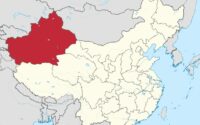
The recent bilateral meeting between Kazakh and Xinjiang authorities substantiated the collaborative commitment between Astana and Beijing, highlighting the pivotal role that the Xinjiang Uyghur Autonomous Region (XUAR) may assume in bolstering regional connectivity and facilitating the realisation of the Belt and Road Initiative.
Iran and Saudi Arabia have taken significant steps towards improving their diplomatic relations by appointing respective ambassadors to Tehran and Riyadh. This development marks a historic milestone in the restoration of relations between the two countries.
The conference held in Baku on the Jewish community of the Caucasus underscored the positive state of relations between Azerbaijan and Israel. Notably, it shed light on Baku’s strategic use of cultural diplomacy to foster stronger ties with Tel Aviv and garner support from the global Jewish community.
The “Business Springboard” competition, which has been organised by Visa, demonstrates the significant interest foreign entities hold for the SMEs sector in Kazakhstan. It unequivocally signifies their commitment to solidifying their footprint in the local market and forging enduring relationships with the burgeoning community of small and medium enterprises.
Nikol Pashinyan’s recent statements on Armenia’s ‘erroneous’ dependence on Russia may reflect a new direction in Yerevan’s foreign policy, signalling a desire to seek alternative solutions, particularly by cultivating stronger relationships with Western nations
The forthcoming CSTO exercises in Belarus serve as a clear demonstration of the organisation’s strategic commitment to safeguarding its member states, focusing particularly on protecting Moscow and Minsk from potential external threats originating from Europe.