Executive Summary This report evaluates the current relations between Ukraine and Kazakhstan after the naval drone strike on the Caspian Pipeline Consortium (CPC) terminal near Novorossiysk on November 29, 2025, and Astana’s formal protest to Kyiv.
The Kremlin is utilising military force, political pressure, and intimidation to compel Ukraine and its partners to adopt positions that favour Russian interests.
This report analyses Ukraine’s investment climate through a SWOT framework and offers strategic recommendations for stakeholders seeking to assess risk exposure and economic potential.
This report assesses the assassination of Colonel Ivan Voronych, a senior operative of Ukraine’s Security Service (SBU), shot dead in central Kyiv in a professionally executed operation.
This report examines the shifting dynamics of U.S. foreign policy towards Ukraine and NATO, particularly considering Donald Trump’s return to the White House. It analyses how the current U.S. Administration, characterised by reduced overseas commitments, fiscal conservatism, and scepticism towards allied burden-sharing, could reshape transatlantic security.
The arrest of an Islamic State militant in Ukraine has raised concern on the country’s potential role as a transit territory towards Europe for terrorist groups and jihadist fighters.
The recent defence pact established between Russia and North Korea represents a notable escalation in Eurasian geopolitical dynamics, carrying the potential for wide-ranging consequences. Following the signing of this agreement, according to Seoul’s sources, there is the eventuality that Pyongyang will deploy military engineering units to support Russian forces in the Ukrainian conflict.
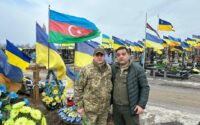
The Russian-Ukrainian conflict, which began in 2022, attracted the attention of volunteers from all over the post-Soviet space interested in supporting Kyiv in the fight against Russian forces. Among these volunteers, there are also Azerbaijani fighters who have sided with Ukrainian forces against the Russian armed forces.
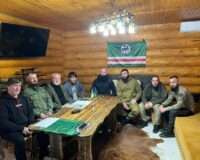
The presence of North Caucasian volunteer fighters within the international legion in Ukraine presents a complex dynamic with implications for the broader regional and geopolitical landscape. Notably, their vocal expressions of solidarity with Palestine and criticism of Kyiv’s support for Israel underscore a nuanced discord within the Ukrainian conflict theatre
The establishment of the Dagestan National Centre in Russia and the Dagestan Volunteer Battalion ‘Imam Shamil’ in Ukraine underscores the reverberations of the Ukraine conflict in the North Caucasus. This development highlights a substantial threat emanating from various movements and organisations, advocating for the destabilisation and fragmentation of the Russian Federation.
In the ongoing contest between Russia and Ukraine for endorsement from the Islamic world, the North Caucasus emerges as a critical asset in the Kremlin’s strategic arsenal. It serves as a linchpin for Moscow’s domestic political efforts in managing a diverse, multireligious, and multiethnic society, while also underpinning Russia’s foreign policy activities directed towards the Arab-Muslim world.
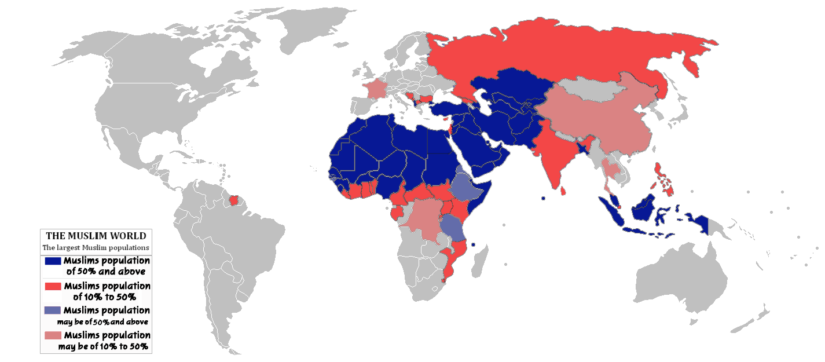
The KazanForum 2023 and Zelensky’s visit to Jeddah during the Arab League summit underlined how strategic is the Muslim world for Russia and Ukraine.
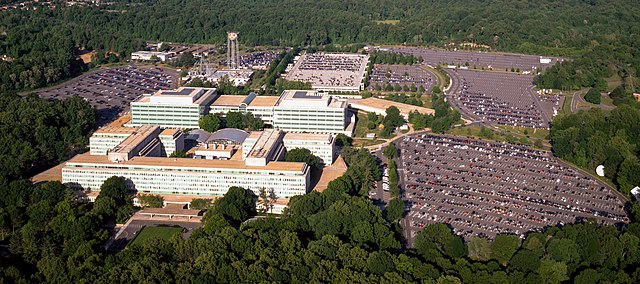
The CIA video in the Russian language published on YouTube, which invites dissatisfied Russians to provide information to the U.S. Intelligence agency, confirms Washington’s strategy to create a network of assets inside the Russian Federation and put pressure on the Kremlin.
On the surface, the Ukraine war appears to be a conflict between two primary actors, namely, the Russian Federation and the sovereign nation of Ukraine. On deeper analysis, however, it can be said that the Ukraine war is an example of great power competition.
The presence of the Musul’manskij korpus “Kavkaz” in the Ukraine conflict stressed the significant role that volunteer battalions have in supporting Kyiv and fighting against the Russian Federation, which they consider an imminent threat to the Ukrainian territory and the Muslim umma.
On Tuesday, February 21st, 2023, SpecialEurasia, Mondo Internazionale, Opinio Juris – Law & Political Review and MInter Group srl organised the online webinar “A year of Ukraine conflict: insights, geopolitical analysis, possible future developments” to analyse the last year of fighting in Ukraine contextualising this event in the Eurasian geopolitical chessboard.
Following the allegations of Iran being involved in the Ukrainian conflict by delivering weapons to Russia, Tehran has been under severe international pressure and sanctions. Given its good relationship with Iran and its neutral foreign policy, Oman might emerge as a strategic regional mediator and help resolve critical issues such as the revival of the Iranian nuclear deal and the dispute between Iran and Saudi Arabia.
In the context of the Ukraine conflict and the changing geopolitical scenario in Eurasia, Islamabad denied the ammunition supply to Ukraine to avoid any possible deterioration of the relations with the Russian Federation, which is actively involved in promoting the Pakistani energy and logistic markets.
La presenza di foreign fighters e battaglioni di volontari in Ucraina accresce il rischio geopolitico dello scacchiere strategico eurasiatico essendo questi attori non statali impegnati attualmente nel combattere le forze armate russe e al contempo collegati direttamente o indirettamente con membri della diaspora o della militanza armata-jihadista che negli ultimi anni hanno operato nello spazio post-sovietico e in Medio Oriente.
The beginning of the Ukraine conflict drew a line under the development of the geopolitical situation on the Eurasian continent over the past three decades since the beginning of the 1990s.
The creation of the Turan Battalion confirmed that the Ukraine conflict had become the perfect battleground for international fighters and contractors united by the desire to fight against the Russian Federation and promote their ideologies and goals.
Since the beginning of the Ukraine conflict, the Chechen leader Ramzan Kadyrov has played a decisive and influential role in assisting the Russian military operations on the ground with his kadyrovtsy and Chechen troops and supporting the Kremlin’s ideological confrontation with the West.
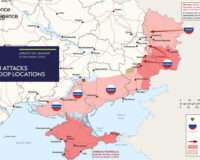
The possibility that Donbas will soon hold a referendum to join the Russian Federation might significantly influence the Eurasian geopolitical chessboard by exacerbating the confrontation between Moscow and the West and, therefore, impacting regional and international political and socioeconomic dynamics.
In a video message, Russian President Vladimir Putin declared the partial military mobilisation, confirming the difficult situation that the Russian troops are experiencing in the Ukraine conflict due to Kyiv’s counter-offensive to reconquer Donbas and Crimea.
Georgian authorities denied that Tbilisi would hold a referendum to open a “second front” against the Russian Federation, destabilising the South Caucasus and threatening the Georgian economy, which is heavily dependent on the Russian market.
On June 24th, 2022, SpecialEurasia, in cooperation with Criminalità e Giustizia, CISINT, Cesintel, IPA, ADR 360 and CCMN, organised an online webinar to present the book “Conflict in Ukraine: geopolitical risk, jihadist propaganda and threat for Europe”.
Il libro “Conflitto in Ucraina: rischio geopolitico, propaganda jihadista e minaccia per l’Europa” pubblicato da Enigma Edizioni è nato da un progetto di SpecialEurasia con l’obiettivo di analizzare il rischio geopolitico derivante dalla propaganda jihadista e dalla presenza dei foreign fighters nel conflitto ucraino e le possibili ripercussioni per il continente europeo.
Recent cyber attacks against Italian government websites highlighted the Ukraine conflict’s impact on the cyber landscape and possible future threats to Europe and Russia’s public institutions and private businesses.
Since several Muslim soldiers are fighting in Ukraine among the ranks of the Russian troops, there is considerable debate and propaganda if they can be considered ‘mujahideen’ who fight in ‘the path of Allah’ or ‘disbelievers’.
According to the Russian Defense Ministry, several foreign fighters from different countries are fighting in Ukraine to support Kyiv’s Government. On the other hand, Middle Eastern newspapers reported that Syrian and Iranian fighters might arrive in Ukraine to fight among the Kremlin’s ranks.
{:en}Il giorno sabato 23 aprile 2022 alle ore 14.00 il team di SpecialEurasia prenderà parte all’evento “Storia di un Conflitto. Dall’Euromaidan ai giorni nostri. La Repubblica di San Marino e i nuovi equilibri geopolitici mondiali” organizzato da Libera.{:}{:it}Il giorno sabato 23 aprile 2022 alle ore 14.00 si svolgerà a San Marino l’evento “Storia di un Conflitto. Dall’Euromaidan ai giorni nostri. La Repubblica di San Marino e i nuovi equilibri geopolitici mondiali” organizzato da Libera a cui prenderà parte del team di SpecialEurasia per illustrare il quadro geopolitico dell’attuale conflitto ucraino, i problemi per la sicurezza e i cambiamenti nei mercati…
Since the beginning of the special military operation of the Russian Armed Forces in Ukraine, political leaders and experts have been seriously concerned about the situation on the world food market. It is possible that a number of countries in North Africa and the Middle East may face a real threat of famine.
The Ukrainian crisis, which was supposed to represent the collapse of the Russian economy and its leading role in Eurasia, is having unexpected implications. The sanctions imposed on Moscow’s energy supplies have caused oil prices to rise and created some opportunities for the Persian Gulf countries.
The Ukraine conflict has highlighted the prominent role that cybercriminals and hackers might play in a contemporary war characterised by the extensive use of tech products, social media and the Internet.
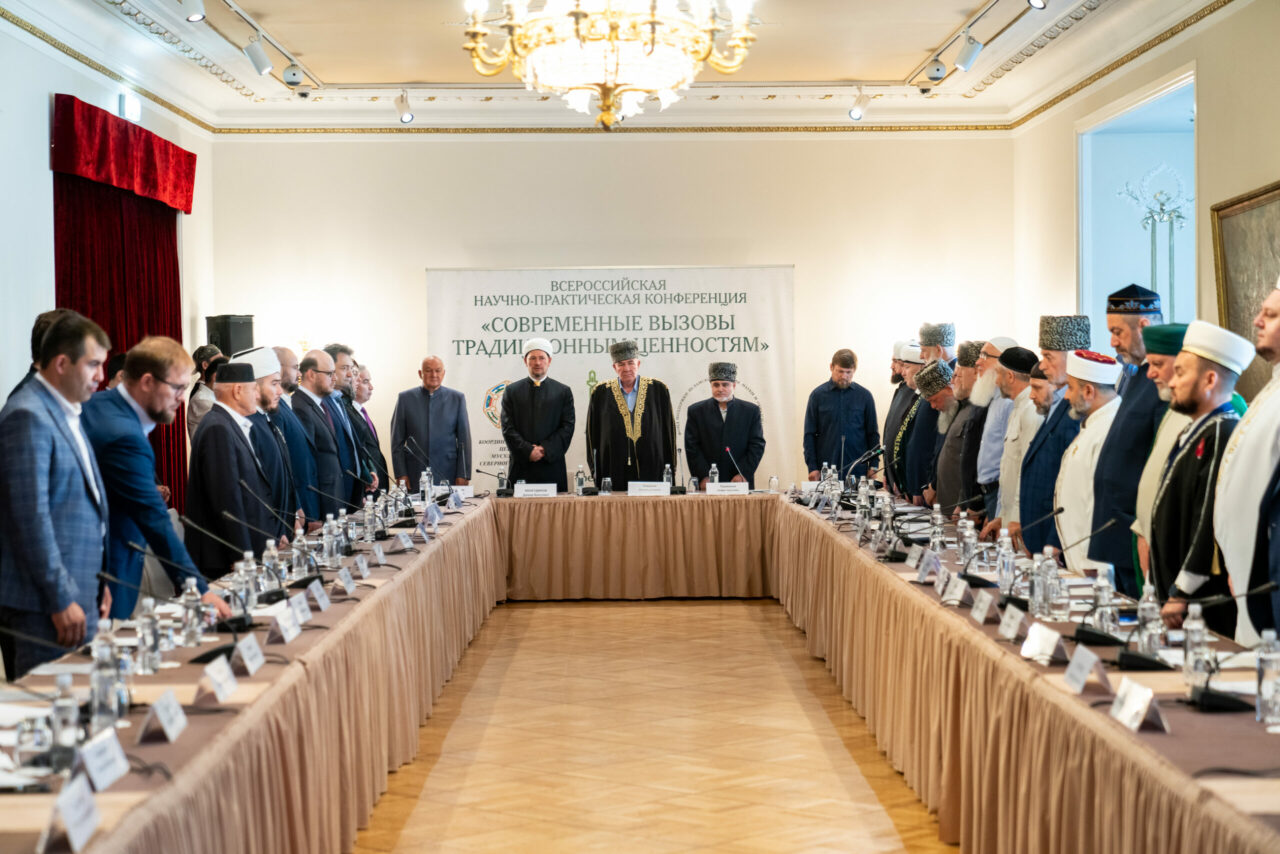
Since the Ukraine conflict has attracted foreign fighters and the Russian Armed Forces have among their soldiers Muslim believers, the leaders of the Russian Muslim organisations released a statement supporting the Kremlin.
Ukraine conflict and the Russian military operations highlight that international security can only be mutual, based on relevant contractual obligations and tangible actions that create an atmosphere of mutual trust.
While the Russian military forces are approaching Kyiv, Chechnya is trying to play its diplomatic role in the Gulf Arab countries to support the Russian Federation in the international arena.
The Ukraine conflict and Western sanctions against Russia might highlight the Iranian role in the oil sector in the Eurasian chessboard, especially for the European Union interested in diversifying its energy import and decreasing the Russian grip.
The Moldovan application for EU membership might create another front of the confrontation between Moscow and Brussels in a period of time characterised by European sanctions due to the Russian military invasion in Ukraine.
In the emerging realities of international relations, it seems crucial to develop an understanding of how the Russian-Ukrainian conflict, which escalated in 2022, will affect the situation in various regions of Eurasia, for example, in the Caspian region, which after the collapse of the USSR turned into one of the most important and complex geopolitical problems of international relations.
Until now, the Ukrainian conflict has not changed the situation in the Russian influence areas where regional players mainly preferred to maintain neutrality and avoid any confrontation with Moscow.
The Ukraine conflict has attracted the attention of foreign fighters eager to fight against the Russian troops and the Chechen kadyrovtsy. If the war lasts longer than Moscow planned, there is a severe threat that Ukraine might evolve into a battleground where foreign fighters will promote terrorism and jihadist propaganda.
As clashes in Kyiv and other Ukrainian cities escalate, Brussels is discussing additional manoeuvres to strike Russia, although Moscow might have adopted counter-measures based on alternative gas pipelines to export its natural gas to the Asian markets and support its economy.
As long as Russian and Ukrainian troops are fighting each other on the ground, Anonymous started cyber warfare against the Kremlin, showing that in the 21st century, countries and non-state actors might fight a war on different levels.
The Chechen kadyrovtsy might have been deployed in Ukraine to support the Russian troops. This news caused the reaction of the Caucasus Emirate and underlined the important role that Chechnya plays in the Kremlin’s foreign policy and military strategy.
The Ukrainian army announced that fights are underway in the north of Kyiv underlying the Kremlin’s desire to conquer the Ukrainian capital, neutralise the military capabilities and overthrow the Government.
The war between Russia and Ukraine, which has just begun, could also have implications in the sphere of the operations and propaganda of the Salafist-jihadist organisations.
Since the early morning hours, the Russian invasion of Ukraine has affected the financial markets, particularly the Russian economy, creating fears and scepticism among investors and the Russian citizens.
The Russian Federation launched a military operation in Ukraine and threatened consequences for those who interfered in the conflict supporting Kyiv.
Russia recognised the independence of the Donetsk People’s Republic (DPR) and Luhansk People’s Republic (LPR), marking a decisive move in the framework of the Ukrainian Crisis and alarming the international community about the imminence of the conflict.