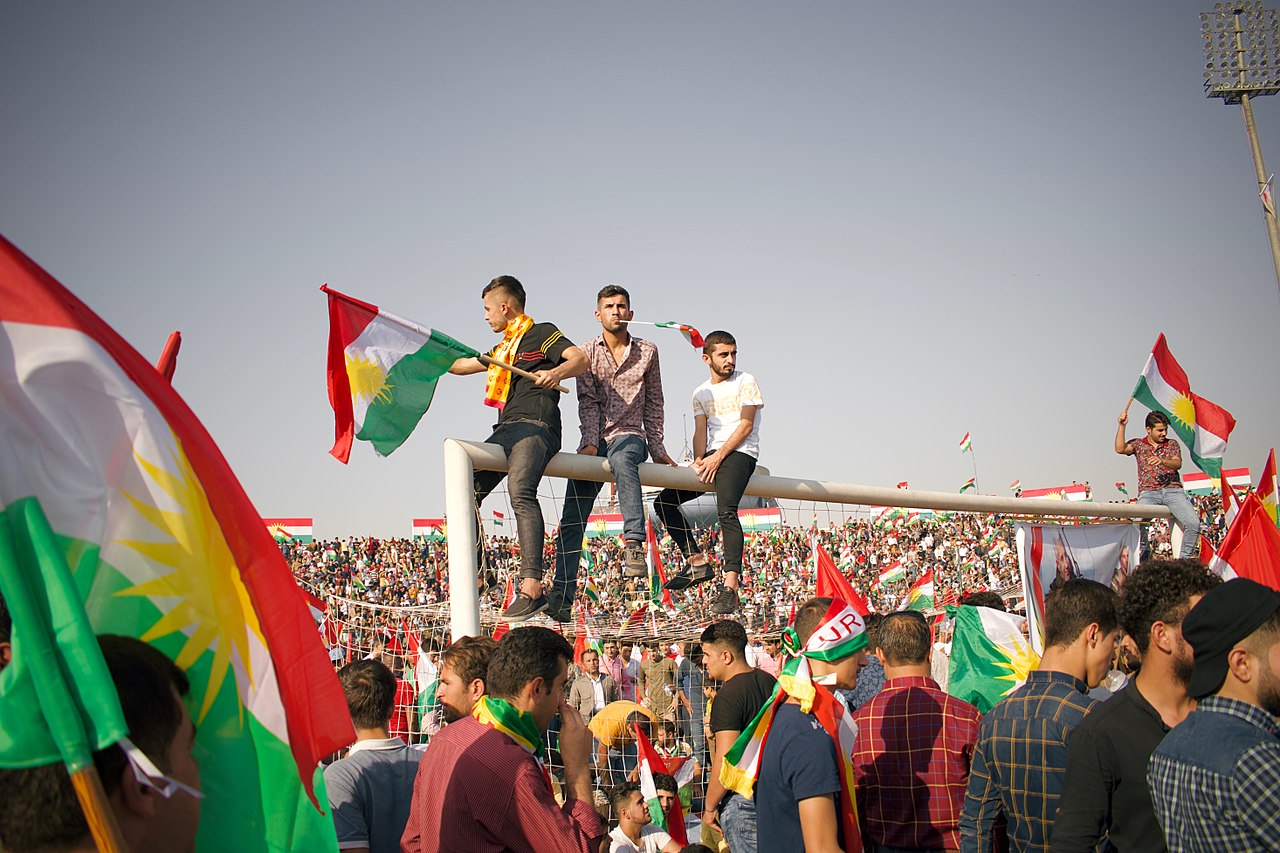
Since 2003, the situation in Iraq has undergone a significant change, and the country has had to face a process of modernisation and democratisation combined with the fight against the various local terrorist organisations, primarily the Islamic State, which have undermined the local stability and represented a threat to the security of the Iraqi people.
The United States and its allies will watch closer the growing partnership between China and the Solomon Islands monitoring whether Beijing will manage to build a military base in a country that plays a strategic role in the Pacific.
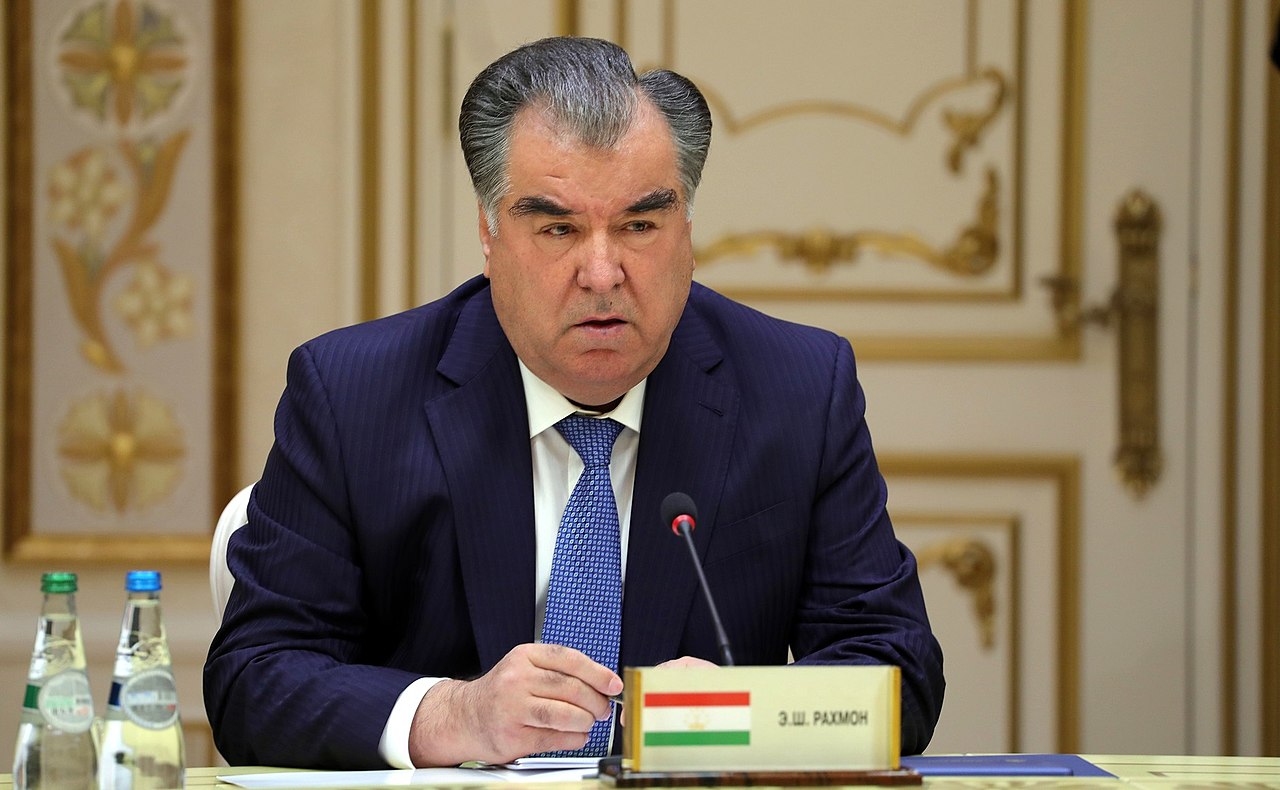
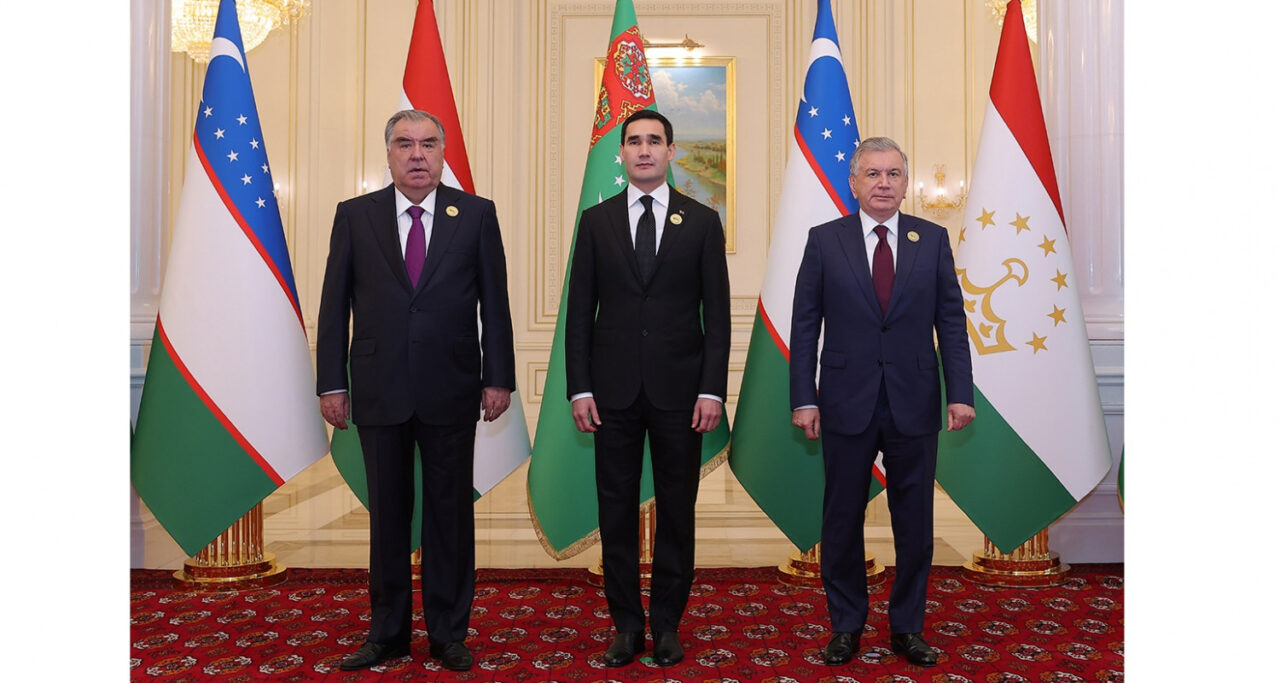
Iran and Tajikistan marked a significant step in their bilateral relations after the meeting of the Iranian and Tajik presidents and the signing of 16 cooperation agreements which stressed Tehran’s cultural diplomacy in Central Asia and Dushanbe’s attempt to diversify its foreign partners.
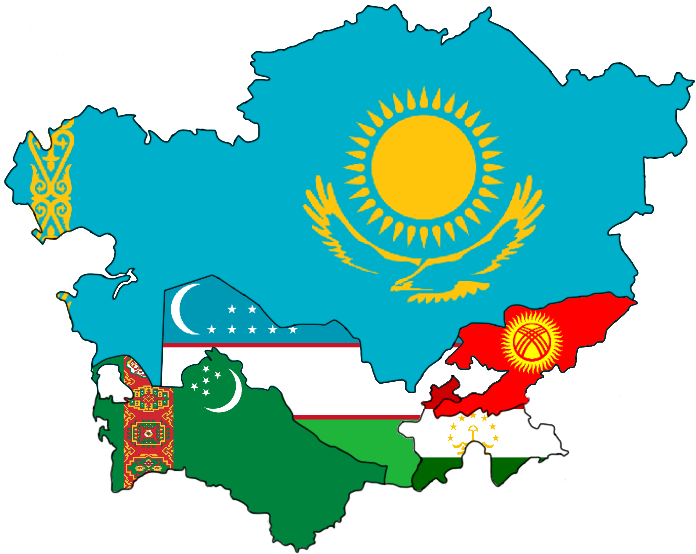
Italy recently discussed further cooperation with Uzbekistan, showing Rome’s attempt to play a more influential role in Central Asia by being engaged in a strategic market where Italian companies might export their know-how and products while the Italian authorities might diversify trade and energy imports.
As part of the SpecialEurasia project “Geopolitika Evrazija”, we attended a round table at the Kazakh embassy in Rome to get acquainted with the constitutional reforms and the upcoming referendum that will be held in Kazakhstan on June 5th, 2022.
The Russian Federation outlined a programme to deploy the Pacific submarine flotilla as the Kremlin’s response to the growing geopolitical instability in the Northwest Asia-Pacific region. In this area, the Russian Federation identifies the Sea of Japan and the Korean Peninsula as the main geostrategic areas
On May 12th – 13th, 2022, President Biden held a summit in Washington with the member states of the Association of Southeast Asian Nations (ASEAN) to counter the political-economic expansionism of the People’s Republic of China (PRC) in the Asia-Pacific region.
Due to its strategic position and natural resources, China has elaborated a Polar Silk Road to play a leading role in the Arctic zone, attempting to develop joint projects with local actors, especially the Russian Federation, opening a new transit route for its goods.
Every week, the Islamic State releases its magazine al-Naba, which gives significant insights into the group’s activities and might support the risk assessment of future operations, violent attacks and propaganda campaigns.
Recent clashes in Gorno-Badakhshan Autonomous Region, border security problems with Afghanistan and the last Islamic State terrorist attack have underlined the problematic situation that Tajikistan needs to manage to guarantee national stability and security.
The Democratic People’s Republic of Korea (DPRK) expanded its atomic arsenal to defend its territory from possible aggression by the Republic of Korea, assisted by Washington and Tokyo. At the same time, North Korea has also faced complicated situations caused by United Nations sanctions eased by Chinese economic and geostrategic interests in the Korean Peninsula.
Due to the regional dynamics and considering its security, Israel has always adopted a domestic policy as a function of its foreign policy and vice versa. Although the external threats have changed during the decades, now and in the future, Tel Aviv will continue to adopt interlinked domestic and foreign strategies.
The war in Ukraine provided Serbia with an opportunity to continue and boost the policy, which was already unfolding even before the war, of replacing Russia with China as Serbia’s primary non-Western partner.
Recent cyber attacks against Italian government websites highlighted the Ukraine conflict’s impact on the cyber landscape and possible future threats to Europe and Russia’s public institutions and private businesses.
North Korea stretched its muscle by launching a short-range submarine ballistic missile, which confirmed that Pyongyang is a decisive military actor in Asia-Pacific that might threaten South Korea and contrast the U.S. presence in the region.
Since several Muslim soldiers are fighting in Ukraine among the ranks of the Russian troops, there is considerable debate and propaganda if they can be considered ‘mujahideen’ who fight in ‘the path of Allah’ or ‘disbelievers’.
In the last couple of months, Islamic State Khurasan Province (ISKP) and its local Central Asian militants have been increasing their propaganda output by directly targeting regional countries (especially Uzbekistan), calling for attacks against local governments and jihad in Central Asia.
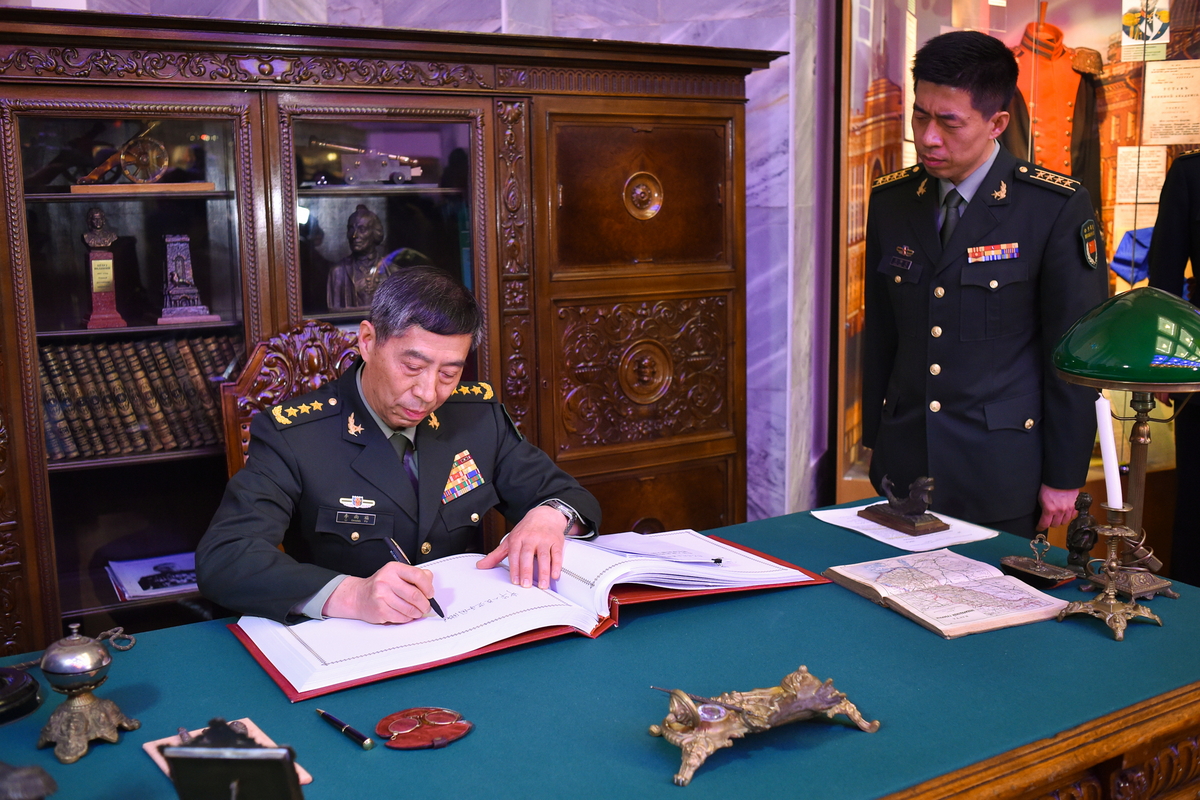
On April 21st, 2022, China announced the launch of six new warships and two types of advanced vessel-based helicopters, confirming Beijing’s strategy to play a decisive role in the Asia-Pacific region and contrast U.S. military presence in the area.
The Islamic State started its jihadist propaganda in India in 2020 during the pandemic crisis publishing its magazine Voice of Hind or Sawt al-Hind to exhort Indian Muslims to wage jihad and carry out attacks in the country.
Finland and Sweden’s possible membership in the NATO might decisively change the security architecture of Northern Europe and worse relations between these two states and the Russian Federation, elevating the regional geopolitical risk.
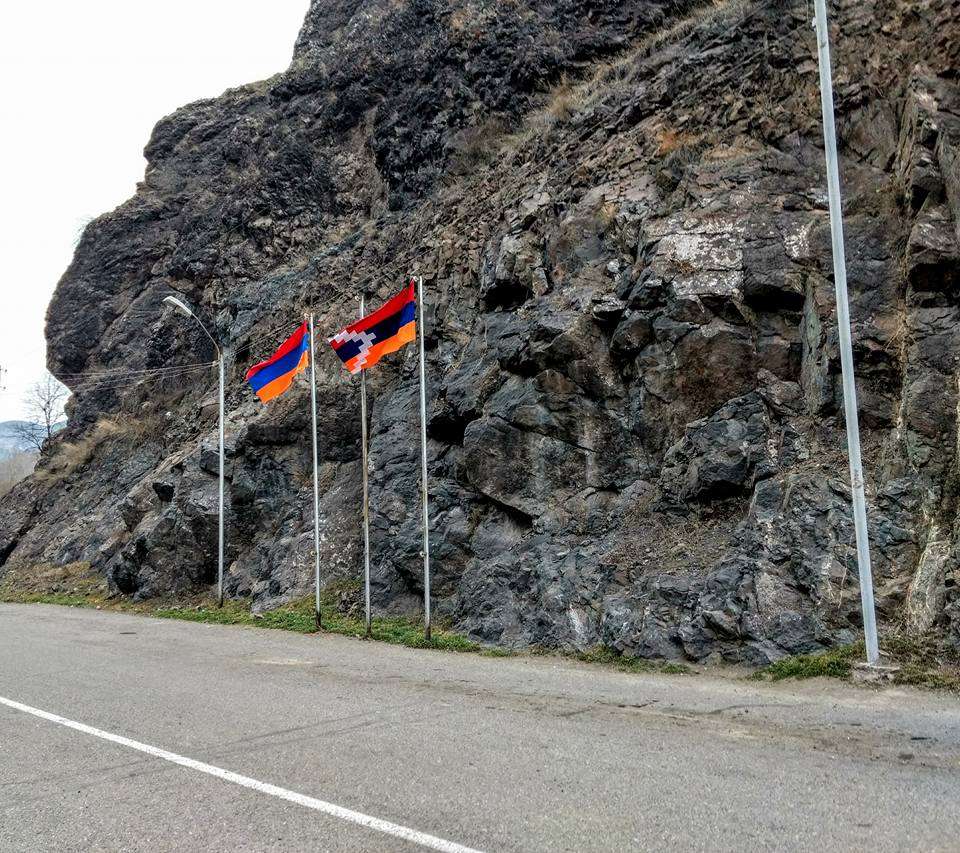
Against the backdrop of the Ukrainian conflict, several frozen conflicts of the post-Soviet space have witnessed new tensions. Two critical events promoted by Azerbaijan sparked protests in Armenia and might prompt a new escalation over Nagorno-Karabakh.
Recent events in the Gulf underlined that while Saudi Arabia is focusing on the al-Mahrah province on the border with Oman to ease its access to the Indian Ocean, the UAE is getting hold of the essential Yemenite islands, with the most relevant being Socotra.
Geopolitical Report ISSN 2785-2598 Volume 18 Issue 2 – Recently, representatives of Italy held a series of meetings with colleagues in Kazakhstan and Turkmenistan, dedicated to the issues of enhancing cultural cooperation, confirming Rome’s interests in Central Asia.
China showed on national television its military hardware such as the two aircraft carriers Shandong and Liaoning which might be deployed in the South China Sea to expand Beijing’s control and influence in the region.
Beijing deployed J-20 fighter jets in the South China Sea, confirming its military strategy and geopolitical interests in the region and its will to counter any external military forces in the area.
Geopolitical Report ISSN 2785-2598 Volume 18 Issue 2 – The 2021 proclamation of the Islamic Emirate of Afghanistan reveals several straightforward and/or controversial relationships with state and non-state figures at the regional level. This intricate web of relations plays a role in outlining the Taliban regime’s assets and challenges.
In the aftermath of the events in Ukraine and the sanctions imposed on Russia, European countries are straggling in search of alternative gas imports. Turkey started a military operation in northern Iraq to ensure gas supplies from Kurdish fields.
According to the Russian Defense Ministry, several foreign fighters from different countries are fighting in Ukraine to support Kyiv’s Government. On the other hand, Middle Eastern newspapers reported that Syrian and Iranian fighters might arrive in Ukraine to fight among the Kremlin’s ranks.
In his latest audio recently released, the Islamic State official spokesman Abu Omar al-Muhajir reported the main goals the terrorist group would like to achieve, such as contrasting Israel, exploiting the Ukraine conflict, and beginning a new series of violent attacks against the enemies.
The Islamic State continues promoting its propaganda and organising violent attacks against the members of Jamiat Ulema-e-Islam in Pakistan, confirming that the group represents a severe threat to Pakistani domestic stability and security.
Through the analysis of the weekly issue N. 334 of the al-Naba newsletter, the official media product of the Islamic State, it is possible to assess the threat in operational terms of the jihadist organisation in Eurasia.
Kyrgyzstan and Italy recently celebrated the 30th anniversary of establishing diplomatic relations. Recent official meetings between Italian and Kyrgyz political and business representatives underlined Italy’s interest in deepening cooperation with central Asian markets.
The U.S. military deployment of the USS Abraham Lincoln near the Korean peninsula confirms Washington’s commitment to increasing its military presence in the Asia-Pacific region, contrasting North Korea’s threats and assuring its regional allies’ security.
Iran will play a primary role in the import-export activities in the Dagestani port of Makhachkala. The recent meeting between Dagestan and Iran’s representatives showed mutual interest in expanding trade cooperation and transit agreement.
The recent Commonwealth of Independent States (CIS) meeting underlined the Kremlin’s strategy to strengthen its influence in Eurasia through military cooperation and diplomacy. In the aftermath of the Ukrainian Crisis and with the increasing influence of China’s Belt and Road Initiative, Russia confirms its desire to be the principal player in Eurasia.
{:en}Il giorno sabato 23 aprile 2022 alle ore 14.00 il team di SpecialEurasia prenderà parte all’evento “Storia di un Conflitto. Dall’Euromaidan ai giorni nostri. La Repubblica di San Marino e i nuovi equilibri geopolitici mondiali” organizzato da Libera.{:}{:it}Il giorno sabato 23 aprile 2022 alle ore 14.00 si svolgerà a San Marino l’evento “Storia di un Conflitto. Dall’Euromaidan ai giorni nostri. La Repubblica di San Marino e i nuovi equilibri geopolitici mondiali” organizzato da Libera a cui prenderà parte del team di SpecialEurasia per illustrare il quadro geopolitico dell’attuale conflitto ucraino, i problemi per la sicurezza e i cambiamenti nei mercati…
In the political-strategic vision of the Russian Federation, the Northwest Asia-Pacific region represents a geo-maritime space of high strategic value for the defence of its national interests
The Western sanctions against Russia caused by the Ukraine conflict have changed the Kremlin’s foreign policy, which currently seems to be more oriented toward the Eurasian market, as the recent Iran-Russia trade conference highlighted.
The joint U.S.-Philippines military exercise ‘Balikatan 2022’ is a sign of Washington’s commitment and strategy in the Asia-Pacific to contrast further Chinese expansion in the region and strengthen military and political relations with Manila.
The Turkmenistan-India meeting highlighted the role that Afghanistan plays in Ashgabat and New Delhi’s foreign policy and regional strategy and the importance that the TAPI project play for Turkmen and Indian economies.
South Ossetia considers the eventuality to join the Russian Federation through a referendum that will change the geopolitical chessboard of the Caucasus and influence the dynamics between Moscow and Tbilisi.
While the Western world is increasingly moving away from Russian exports, Moscow and Tehran are taking measures to intensify trade and economic cooperation, as evidenced by intensive negotiations between the parties.
The United States has strengthened bases and military resources in Guam underlying the geopolitical and strategic role that the island has and Washington’s desire to counter the Chinese presence and strategies in Asia-Pacific.
The Iranian nuclear deal might become the watershed in the Middle Eastern dynamics, leading to regional escalations and divisions and rising the geopolitical risk level.
The recent military escalation at the Nagorno-Karabakh/Azerbaijan border, which caused victims from both sides, could negatively affect relations between Moscow and Baku and plunge the region into a new geopolitical, security, and socio-political crisis.
The recent North Korean missile test alarmed the Asia-Pacific region and demonstrated that Pyongyang has the military infrastructure and hardware to pose a threat to the U.S. interests and military operations in the region.
Recently, a video published by Al-Azaim Foundation, Islamic State Khurasan Province (ISKP)’s mouthpiece in the region, harshly lashed out against the Taliban and their relations with the international community and particularly neighbouring countries, including Pakistan, China, and Russia.
Since the beginning of the special military operation of the Russian Armed Forces in Ukraine, political leaders and experts have been seriously concerned about the situation on the world food market. It is possible that a number of countries in North Africa and the Middle East may face a real threat of famine.
The recent al-Qaeda in the Arabian Peninsula terrorist attack against the Southern Separatist Forces in Yemen demonstrated the group’s capabilities and its possible influence in regional geopolitical dynamics and security.
The possible signing of the JCPOA might support Pakistan’s desire to play a strategic and logistic role in the Eurasian energy market linking transit corridors and pipelines.
Sauri Arabia and Kyrgyzstan discussed investments partnership confirming Riyadh’s desire to improve its economic presence in the Kyrgyz market and Central Asia and Bishkek’s necessity to diversify its financial partners and foreign investors.
The Ukrainian crisis, which was supposed to represent the collapse of the Russian economy and its leading role in Eurasia, is having unexpected implications. The sanctions imposed on Moscow’s energy supplies have caused oil prices to rise and created some opportunities for the Persian Gulf countries.
Russia and Azerbaijan discussed the “Green Corridor” project, which might become an alternative trade route to counter Western sanctions and strengthen Moscow-Baku relations in the Caucasus and the Caspian Sea region.
Due to the political-military instability in the Korean Peninsula, Moscow and Tokyo have increased their monitoring activities in the Sea of Japan to defend their respective geopolitical and strategic interests.
The Ukraine conflict has highlighted the prominent role that cybercriminals and hackers might play in a contemporary war characterised by the extensive use of tech products, social media and the Internet.
The Syrian and UAE delegations meeting underlined Dubai’s diplomatic efforts to play a decisive role in the Middle Eastern geopolitics and international arena.
After the Islamic State (IS) leadership announced the appointment of the new organisation’s Caliph, Abu al-Hassan al-Hashimi al-Quraysh, we might predict increasing terrorist attacks and operations in Eurasia, especially in the AfPak, Syria and Iraq.
Since the Ukraine conflict has attracted foreign fighters and the Russian Armed Forces have among their soldiers Muslim believers, the leaders of the Russian Muslim organisations released a statement supporting the Kremlin.
During the last few days, Russian companies have shown interest in supporting the TAPI pipeline project and the Taliban in reparing their helicopters and training personnel highlighting the Kremlin’s strategy in Central Asia and Afghanistan.
SpecialEurasia published the second report of our project “Geopolitics of Nuclear Energy in Eurasia” titled “How could the nuclear energy impact the oil and gas market in the Middle East?” in partnership with ASRIE Analytica and CeSEM – Centro Studi Eurasia Mediterraneo.
Ukraine conflict and the Russian military operations highlight that international security can only be mutual, based on relevant contractual obligations and tangible actions that create an atmosphere of mutual trust.
The recent Tajikistan-China business forum to develop investment cooperation highlighted Beijing’s economic strategy in the Central Asian republic and Dushanbe’s attempt to diversify its economy and attract more Chinese investors in its infrastructural projects.
While the Russian military forces are approaching Kyiv, Chechnya is trying to play its diplomatic role in the Gulf Arab countries to support the Russian Federation in the international arena.
After the Islamic State (IS) leadership announced the appointment of the new organisation’s leader, Abu al-Hassan al-Hashimi al-Quraysh, IS spokesman Abu Umar requested all fighters in the provinces to swear allegiance to the new leader.
The al-Furqan media, which handles the official communications of the Islamic State leadership, announced the release of a new media product shortly, which might reveal the new Islamic State’s Caliph or comment on the current Ukraine conflict.
E’ stato pubblicato oggi il primo report dal titolo “La diplomazia del nucleare russo nello spazio post-Sovietico” facente parte del progetto “Geopolitics of Nuclear Energy in Eurasia” avviato da SpecialEurasia in partnership con ASRIE Analytica, il CeSEM – Centro Studi Eurasia Mediterraneo e Opinio Juris – Law & Politics Review.
The Ukraine conflict and Western sanctions against Russia might highlight the Iranian role in the oil sector in the Eurasian chessboard, especially for the European Union interested in diversifying its energy import and decreasing the Russian grip.
The Moldovan application for EU membership might create another front of the confrontation between Moscow and Brussels in a period of time characterised by European sanctions due to the Russian military invasion in Ukraine.
In the emerging realities of international relations, it seems crucial to develop an understanding of how the Russian-Ukrainian conflict, which escalated in 2022, will affect the situation in various regions of Eurasia, for example, in the Caspian region, which after the collapse of the USSR turned into one of the most important and complex geopolitical problems of international relations.
The recent terrorist attack in Peshawar underlined security problems in Pakistan linked to different terrorist groups that operate in the region, especially between the Afghan-Pakistani border, and stressed Islamabad and Kabul’s current inability to completely contrast the Islamic State’s threat.
Until now, the Ukrainian conflict has not changed the situation in the Russian influence areas where regional players mainly preferred to maintain neutrality and avoid any confrontation with Moscow.
Since the Obama administration took office, the United States has identified Japan as a key ally to contrast the rapid economic and military growth of the People’s Republic of China (PRC) in the Asia-Pacific region.
The Ukraine conflict has attracted the attention of foreign fighters eager to fight against the Russian troops and the Chechen kadyrovtsy. If the war lasts longer than Moscow planned, there is a severe threat that Ukraine might evolve into a battleground where foreign fighters will promote terrorism and jihadist propaganda.
As clashes in Kyiv and other Ukrainian cities escalate, Brussels is discussing additional manoeuvres to strike Russia, although Moscow might have adopted counter-measures based on alternative gas pipelines to export its natural gas to the Asian markets and support its economy.
Nella storia del Caucaso l’eccidio di Sumgait è un evento che ricopre particolare importanza le cui conseguenze sono ancora visibili nelle relazioni tra Armenia e Azerbaigian e nella narrativa che oppone Yerevan a Baku, in special modo a seguito del conflitto del Nagorno-Karabakh.
As long as Russian and Ukrainian troops are fighting each other on the ground, Anonymous started cyber warfare against the Kremlin, showing that in the 21st century, countries and non-state actors might fight a war on different levels.
The Chechen kadyrovtsy might have been deployed in Ukraine to support the Russian troops. This news caused the reaction of the Caucasus Emirate and underlined the important role that Chechnya plays in the Kremlin’s foreign policy and military strategy.
The Ukrainian army announced that fights are underway in the north of Kyiv underlying the Kremlin’s desire to conquer the Ukrainian capital, neutralise the military capabilities and overthrow the Government.
The war between Russia and Ukraine, which has just begun, could also have implications in the sphere of the operations and propaganda of the Salafist-jihadist organisations.
Since the early morning hours, the Russian invasion of Ukraine has affected the financial markets, particularly the Russian economy, creating fears and scepticism among investors and the Russian citizens.
The Russian Federation launched a military operation in Ukraine and threatened consequences for those who interfered in the conflict supporting Kyiv.
The recent meeting between the Japanese Ambassador in Iran and the head of the Ports and Navigation Department of the Hormozgan province to discuss investments underlined Japan’s interests in expanding maritime cooperation in the Persian Gulf exploiting the Iranian ports’ role.
Today’s European Union is characterised by many crises entwining one another, resulting in politicisation and polarisation around issues and challenges of the EU itself. At the same time, the concept of the EU has progressively become an object of politicisation and polarisation.
Russia recognised the independence of the Donetsk People’s Republic (DPR) and Luhansk People’s Republic (LPR), marking a decisive move in the framework of the Ukrainian Crisis and alarming the international community about the imminence of the conflict.
The Iranian President Ibrahim Raisi arrived in Doha to attend the Gas Exporting Countries Forum (GECF) and probably sign several Memorandum of Understandings, most notably to realise a crucial underwater project that will connect Iran and Iraq.
Recent reports have underlined that drug trafficking, terrorist attacks, and Islamic State activities are Afghanistan’s leading dangers that can jeopardise local security and Central Asian dynamics.
The United Arab Emirates expressed their interests in increasing investments and trade with Iran whose geographical position in the Middle East and connections with the Caucasus and Central Asia plays a strategic role in international trade and relations.
The recent meeting between Uzbek and Kazakh representatives to discuss economic and trade cooperation highlighted both countries’ necessity to create a stable regional market and improve local financial performance to attract more foreign investments.
In the geopolitical project presented in 2013 by the Xi Jinping Presidency for the Asia-Pacific region called China Dream, Beijing attributed a high degree of geostrategic importance to the coastline of the Asian mainland.
Il libro “1979 Rivoluzione in Iran. Dal crepuscolo dello scià all’alba della Repubblica Islamica” scritto da Nicola Pedde e pubblicato da Rosenber & Sellier ci offre una analisi storica degli eventi e i personaggi che hanno caratterizzato il periodo prerivoluzionario e posto le basi per i moti che a partire dal 1978 hanno riscritto la fisionomia del paese.
In Afghanistan, the Taliban are arresting or kidnapping the Balochi to please Islamabad. Last week, the Balochistan Liberation Army organised violent attacks which severely hit the Pakistani army and threatened Chinese interests in the region.
The trial of Habib Farajollah Chaab, Iranian-Swedish ringleader of Al-Ahwaziah, revealed that Saudi Arabia financially supported the Arab separatist movement, which carried out attacks in Iran and several European countries.
Within the North Pacific Area, the Bering Strait and the area surrounding are for the Russian Federation and the United States a geo-maritime space of vital importance inherent to the defence of their respective geopolitical interests.
Turkmenistan and Tatarstan aim to increase their economic cooperation and trade turnover and create a favourable environment to support joint projects, investments, and economic development. Tatarstan foreign policy in Central Asia is becoming more active and supporting Moscow’s regional strategy.
China has invested substantial financial amounts in Central Asia creating an economic dependence and strong connection between Beijing and Central Asian republics. Chinese economic presence in Central Asia might threaten Moscow’s Eurasian Economic Union (EAEU) and the Kremlin’s desire to remain the leading geopolitical actor in this region.
SpecialEurasia organizza un webinar dal titolo “Geopolitica del Medio Oriente: dinamiche regionali, interessi economici e terrorismo” il cui obiettivo è quello di analizzare l’attuale situazione della regione mediorientale che gioca un ruolo importante nello scacchiere geopolitico euroasiatico.
Giuliano Bifolchi, Research Manager di SpecialEurasia, analizza il processo storico, culturale e religioso della regione nord caucasica nel suo libro “Storia del Caucaso del Nord tra presenza russa, Islam e terrorismo” pubblicato da Anteo Edizioni.