The State Security Service of Georgia (SSG) detained three Georgian nationals in Adjara on 13 October 2025 for alleged affiliation with the so-called “Takbirist Jamaat”, a group ideologically aligned with the Islamic State.
Geopolitics in the Caucasus is constantly shifting, showing both division and lasting patterns. Despite pressure and diplomatic confrontation, particularly with Azerbaijan and Armenia, Russia retains influence in the South Caucasus through economic and cultural ties.
Georgian Prime Minister Irakli Kobakhidze recently highlighted a two-pronged economic strategy that uses Georgia’s location to become a key transit route between Europe and Asia.
This report analyses the ongoing political unrest in Georgia following the suspension of its EU membership negotiations and the contested parliamentary elections of October 27th, 2024.
The Georgian Dream party has secured a parliamentary majority with approximately 54% of the vote in Georgia’s recent elections. This outcome, disputed by pro-European opposition leaders, has raised concerns over electoral integrity and the future of Georgia’s EU candidacy.
The security landscape of Georgia has experienced notable developments, particularly concerning the threat of terrorism. The recent detention in the city of Batumi of suspected terrorists linked to the Islamic State and the implementation of stringent anti-terrorism measures, highlight the country’s proactive stance.
The adoption of the ‘foreign agents law’ by the government, the unresolved territorial disputes, particularly in Abkhazia and South Ossetia, a contentious relationship with Russia, and the challenging economic conditions have amplified Georgia’s geopolitical risk in recent months.
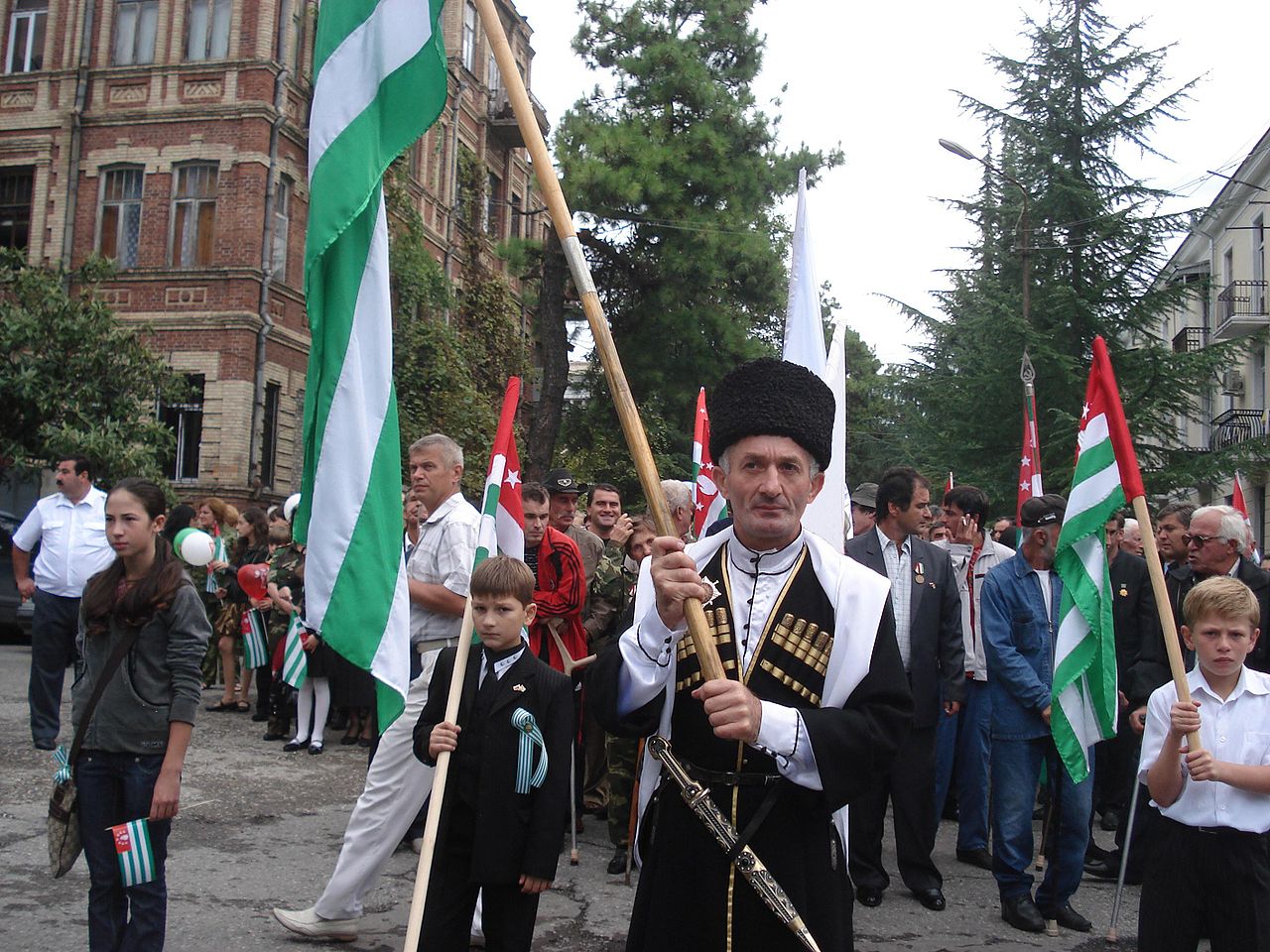
In August 2023, SpecialEurasia undertook a visit to Abkhazia, engaging in discussions with Viacheslav Chirikba, Director at the Centre for Strategic Studies under the President of Abkhazia, to delve into both the regional geopolitical dynamics and the intricacies of the local socioeconomic landscape.
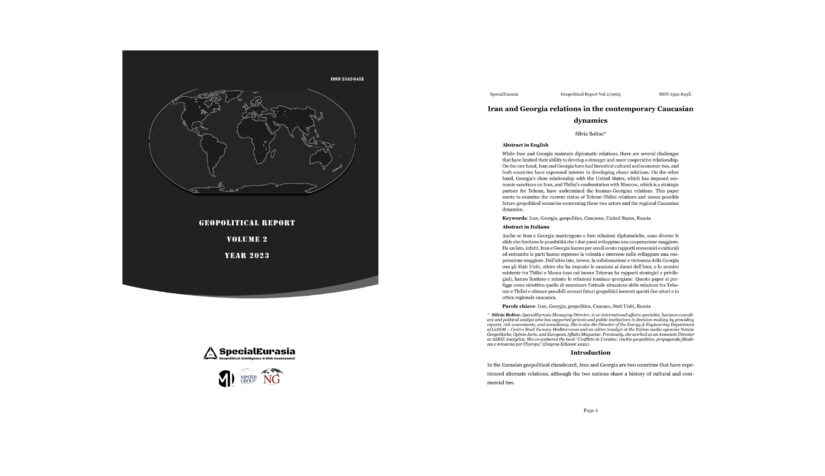
In this paper published in Geopolitical Report ISSN 2532-845X Vol. 2 Year 2023, the author examined the current status of Tehran-Tbilisi relations and assess possible future geopolitical scenarios concerning these two actors and the regional Caucasian dynamics.
Georgian authorities denied that Tbilisi would hold a referendum to open a “second front” against the Russian Federation, destabilising the South Caucasus and threatening the Georgian economy, which is heavily dependent on the Russian market.
South Ossetia considers the eventuality to join the Russian Federation through a referendum that will change the geopolitical chessboard of the Caucasus and influence the dynamics between Moscow and Tbilisi.
The upcoming parliamentary elections in the Republic of Abkhazia are crucial for the Abkhaz political life, and regional geopolitics since the country plays a strategic role in the Caucasus and the Black Sea region.
On January 27th, 2022, SpecialEurasia organised the Webinar “Geopolitica e conflitti nel Caucaso: sfide attuali e sviluppi futuri” to analyse with scholars and experts the current situation of the Caucasus and discuss future developments and challenges in the region.
Le elezioni in Georgia da poco concluse e caratterizzate da un forte fermento mediatico e dall’arresto dell’ex presidente Mikhail Saakashvili hanno confermato la leadership del paese del partito Sogno Georgiano con circa il 48% dei voti, dato che supera la simbolica barriera di sbarramento del 43% considerata da molti come una sorta di barometro sulla fiducia del popolo georgiano nei confronti del partito.
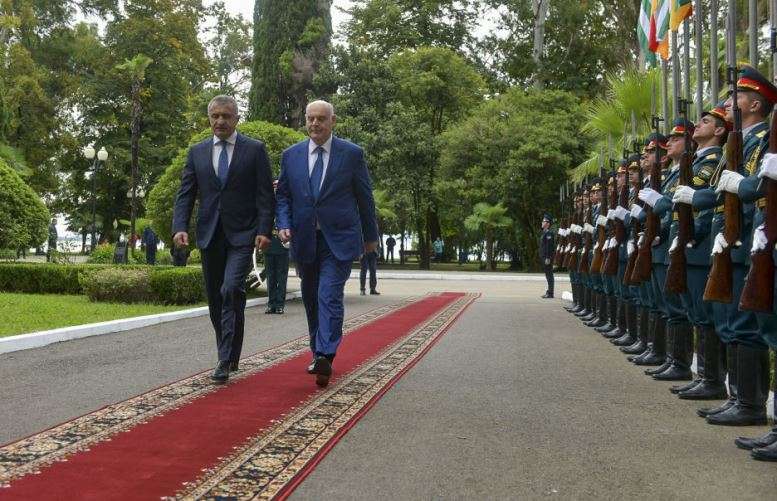
The recent visit of the South Ossetian President to Abkhazia to celebrate Victory and Independence Day and the meeting among South Ossetian and Abkhaz presidents and ministers underline their cooperation and the role that these two republics play in the South Caucasian geopolitics.