This report defines military intelligence, outlines its significance for commanders and policymakers, details its organization and implementation, and differentiates between the primary intelligence operational levels: strategic, operational, and tactical.
This report investigates the geopolitical and regional outcomes and implications of the joint Armenia–US military exercises, Eagle Partner 2025, focusing on Yerevan’s domestic and external constraints and Russian leverages.
This report analyses Tehran’s recent upgrades in its military and air defence network, especially after unveiling the Rastakhiz missile, signalling readiness to deter or respond to future hostilities.
On 23 July 2025, Belarus and Tajikistan held the first session of their intergovernmental commission on military-technical cooperation in Minsk.
Russia and Iran’s joint naval exercise, CASAREX 2025, in the Caspian Sea, strongly asserts their military presence in the strategically important region.
North Korea has significantly enhanced its economic position through unprecedented military and economic collaboration with the Russian Federation.
This report assesses the June 13, 2025, Israeli-Iranian military conflict, analysing key operational events such as Tehran’s military retaliations and Tel Aviv’s strategic achievements, identified defence weaknesses, and increased geopolitical risks.
This report examines recent CSTO and Dushanbe’s efforts to bolster security on the Tajik-Afghan border, as the situation in northern Afghanistan worsens. Regional concerns about rising terrorism and illicit activity in Afghanistan’s border provinces pushed CSTO to start the first phase of its longstanding program.
This report assesses Kazakhstan’s recent decision to allocate 120 billion tenge (approximately USD 265 million) for the development of its defence-industrial base, and its efforts to attract foreign investment from key international partners. This report assesses also Astana’s defence posture, investment, and regional.
Armenia has frozen its participation in the Collective Security Treaty Organisation (CSTO) since February 2024. The country has also ceased financial contributions and engagement in CSTO activities. This report evaluates the geopolitical and security implications of Armenia’s stance and the potential outcomes for regional stability.
Integrating robotics into economic, military, and technological domains presents significant geopolitical risks and opportunities. Key nations, including the United States, China, and European states, are leveraging robotics to enhance industrial productivity, defence capabilities, and technological sovereignty.
This report evaluates Tajikistan’s ongoing military modernisation efforts, spearheaded by President Emomali Rahmon, focusing on the integration of advanced technologies, such as artificial intelligence (AI), and the broader geopolitical and economic challenges associated with the country’s defence strategy.
This report aims to analyse the recent developments regarding Uzbekistan’s military modernisation efforts, as outlined in the presidential address on February 21st, 2025. The country is considering how to incorporate new technologies, such as drones, artificial intelligence, and automated control systems, into its military forces.
This report aims at assessing the activities of the Collective Security Treaty Organisation (CSTO) in Central Asia, its perspectives and challenges.
The Collective Security Treaty Organization (CSTO) is nearing the final phase of its preparation for a series of joint military exercises scheduled for September and October 2024. This report aims to detail the current state of preparedness of the CSTO’s management bodies and force formations.
Kazakhstan’s 2024 military modernisation initiatives significantly enhance its defence capabilities, reflecting concerns over internal stability and regional security. The country’s efforts include advanced procurements and comprehensive upgrades, which could alter Central Asia’s military balance.
The recent defence pact established between Russia and North Korea represents a notable escalation in Eurasian geopolitical dynamics, carrying the potential for wide-ranging consequences. Following the signing of this agreement, according to Seoul’s sources, there is the eventuality that Pyongyang will deploy military engineering units to support Russian forces in the Ukrainian conflict.
This assessment delves into the recent reshuffle within the Russian government, focusing on the replacement of long-serving Defence Minister Sergei Shoigu with economist Andrei Belousov. Through a comprehensive analysis of historical, political, economic, and social factors, this report aims to provide insights into the implications of these changes for Russia’s strategic landscape.
In the latest episode of the Geopolitical Report Podcast, Matthias Wasinger, the founder and editor-in-chief of The Defence Horizon Journal, delved into the intricate relationship between military experience, geopolitical consulting, and intelligence analysis.
In the latest podcast episode, we discussed Russia’s recent presidential decree which included the Donetsk People’s Republic (DPR), Lugansk People’s Republic (LPR), as well as the Kherson and Zaporozhye regions into the Southern Military District.
Dmitry Medvedev’s recent visit to Grozny and meeting with Ramzan Kadyrov and local military officials confirmed the role that Chechnya is plying in supporting Russia in the Ukraine conflict and the North Caucasian republic’s increasing role in regional and state’s dynamics and foreign policy.
The forthcoming CSTO exercises in Belarus serve as a clear demonstration of the organisation’s strategic commitment to safeguarding its member states, focusing particularly on protecting Moscow and Minsk from potential external threats originating from Europe.
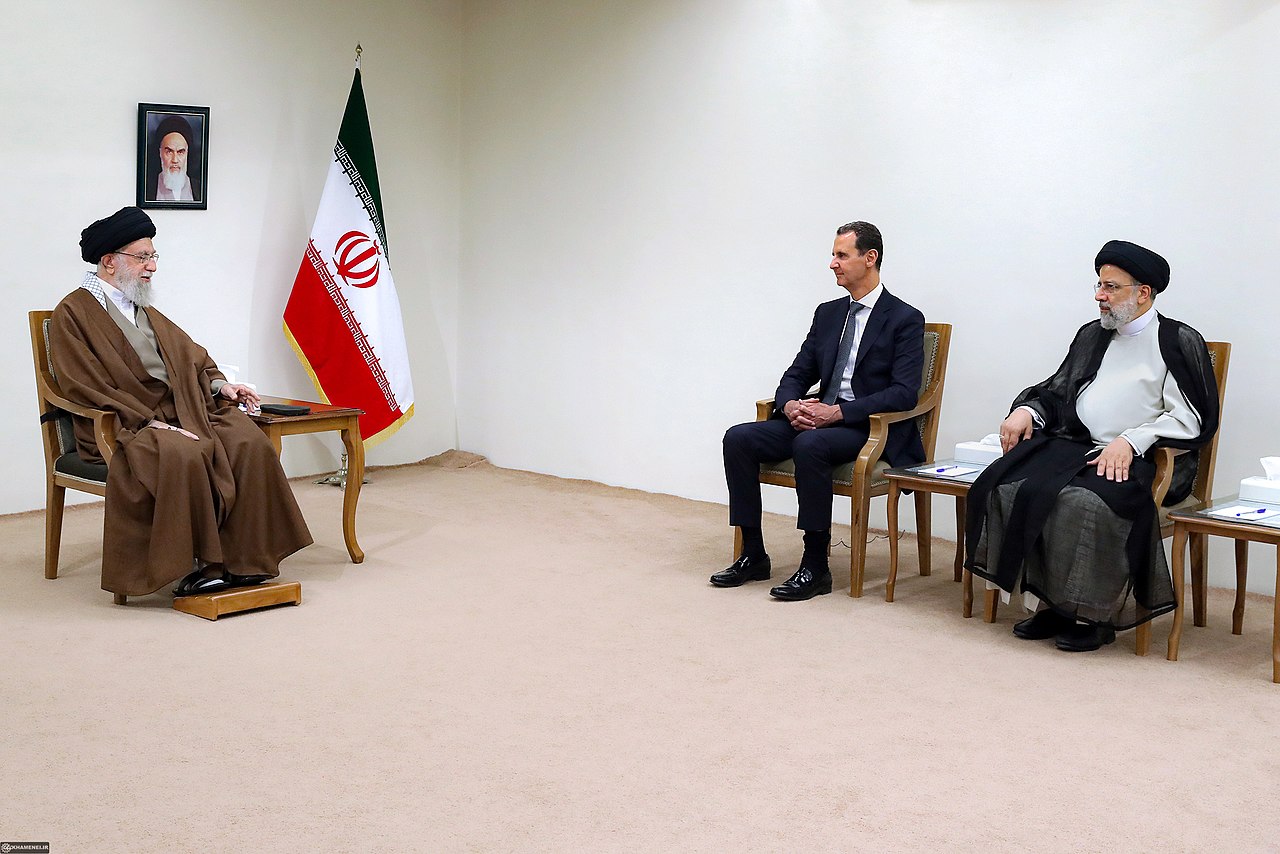
The developing geopolitical dynamics in the Middle East, particularly concerning Iran’ strategy and cooperation with Syria in the defence and military weapons sectors, have sparked significant shifts on the regional chessboard.
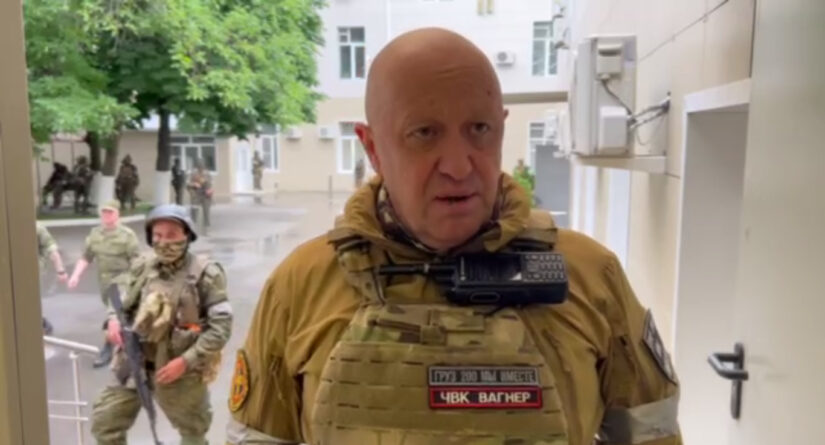
Recent developments in Russia have brought attention to the involvement of the Wagner Private Military Company (PMC) in an attempted armed rebellion or mutiny. The incident, which unfolded on the evening of June 23rd, 2023, has triggered a series of reactions and measures by key institutions, leaving the country on high alert.
SpecialEurasia met in Rome H.E. Julianne Smith, the US Ambassador to NATO to investigate the conflict in Ukraine, the Chinese threat, and global challenges such as terrorism, issues which the Atlantic Alliance will discuss at the NATO summit in Vilnius in July 2023.
In the context of the Ukraine conflict and the changing geopolitical scenario in Eurasia, Islamabad denied the ammunition supply to Ukraine to avoid any possible deterioration of the relations with the Russian Federation, which is actively involved in promoting the Pakistani energy and logistic markets.
North Korea stretched its muscle by launching a short-range submarine ballistic missile, which confirmed that Pyongyang is a decisive military actor in Asia-Pacific that might threaten South Korea and contrast the U.S. presence in the region.
On April 21st, 2022, China announced the launch of six new warships and two types of advanced vessel-based helicopters, confirming Beijing’s strategy to play a decisive role in the Asia-Pacific region and contrast U.S. military presence in the area.
China showed on national television its military hardware such as the two aircraft carriers Shandong and Liaoning which might be deployed in the South China Sea to expand Beijing’s control and influence in the region.
Beijing deployed J-20 fighter jets in the South China Sea, confirming its military strategy and geopolitical interests in the region and its will to counter any external military forces in the area.
In the aftermath of the events in Ukraine and the sanctions imposed on Russia, European countries are straggling in search of alternative gas imports. Turkey started a military operation in northern Iraq to ensure gas supplies from Kurdish fields.
The U.S. military deployment of the USS Abraham Lincoln near the Korean peninsula confirms Washington’s commitment to increasing its military presence in the Asia-Pacific region, contrasting North Korea’s threats and assuring its regional allies’ security.
The recent Commonwealth of Independent States (CIS) meeting underlined the Kremlin’s strategy to strengthen its influence in Eurasia through military cooperation and diplomacy. In the aftermath of the Ukrainian Crisis and with the increasing influence of China’s Belt and Road Initiative, Russia confirms its desire to be the principal player in Eurasia.
The joint U.S.-Philippines military exercise ‘Balikatan 2022’ is a sign of Washington’s commitment and strategy in the Asia-Pacific to contrast further Chinese expansion in the region and strengthen military and political relations with Manila.
The United States has strengthened bases and military resources in Guam underlying the geopolitical and strategic role that the island has and Washington’s desire to counter the Chinese presence and strategies in Asia-Pacific.
The recent North Korean missile test alarmed the Asia-Pacific region and demonstrated that Pyongyang has the military infrastructure and hardware to pose a threat to the U.S. interests and military operations in the region.
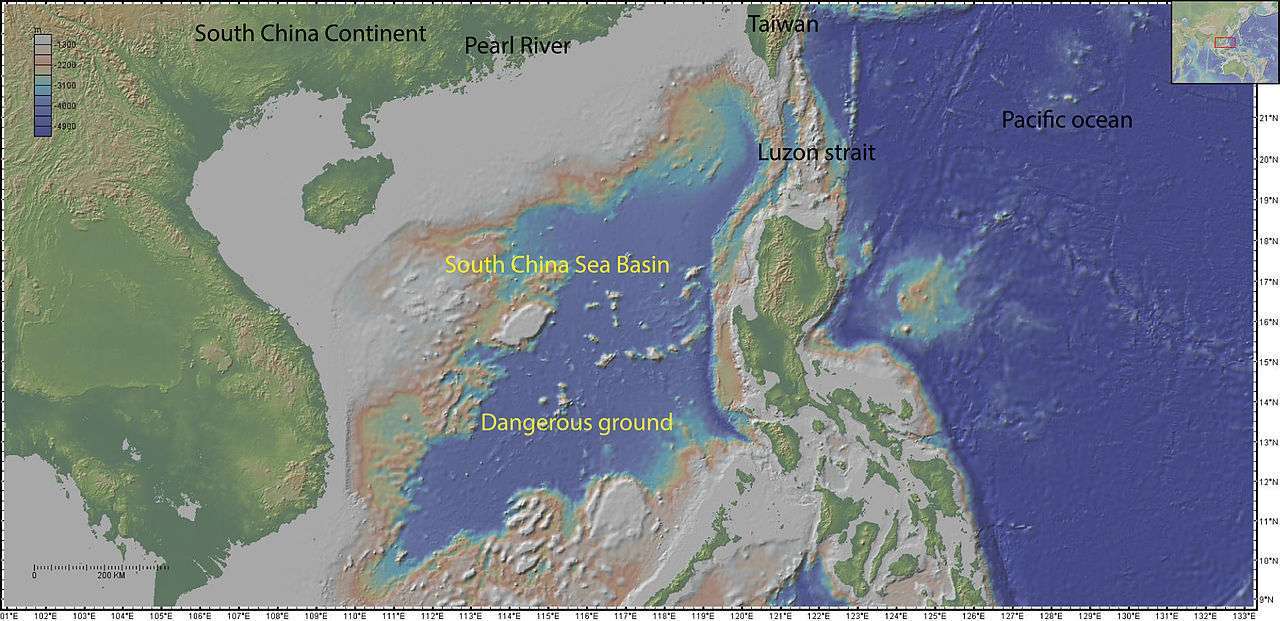
With the installation of Xi Jinping as head of state in 2012, the People’s Republic of China (PRC) has identified the South China Sea as an area of high geopolitical importance for pursuing its geophysical peculiarities of specific political-strategic priorities.
The recent CIS meeting underlined the Kremlin’s strategy to strengthen its influence in Eurasia through military cooperation and diplomacy. In an era characterised by confrontation with the United States and the rise of China’s Belt and Road Initiative, Russia confirms its desire to be the principal player in Eurasia.
Turkey continues its technical military partnership with the Russian Federation because of Ankara’s will of upgrading its defence system and capabilities and make the country less dependent from NATO. The second Turkish purchase of the Russian S-400 might change the balance inside the North Atlantic Alliance and make Moscow and Ankara closer in the international arena.