Since 2003, the situation in Iraq has undergone a significant change, and the country has had to face a process of modernisation and democratisation combined with the fight against the various local terrorist organisations, primarily the Islamic State, which have undermined the local stability and represented a threat to the security of the Iraqi people.
Iran and Tajikistan marked a significant step in their bilateral relations after the meeting of the Iranian and Tajik presidents and the signing of 16 cooperation agreements which stressed Tehran’s cultural diplomacy in Central Asia and Dushanbe’s attempt to diversify its foreign partners.
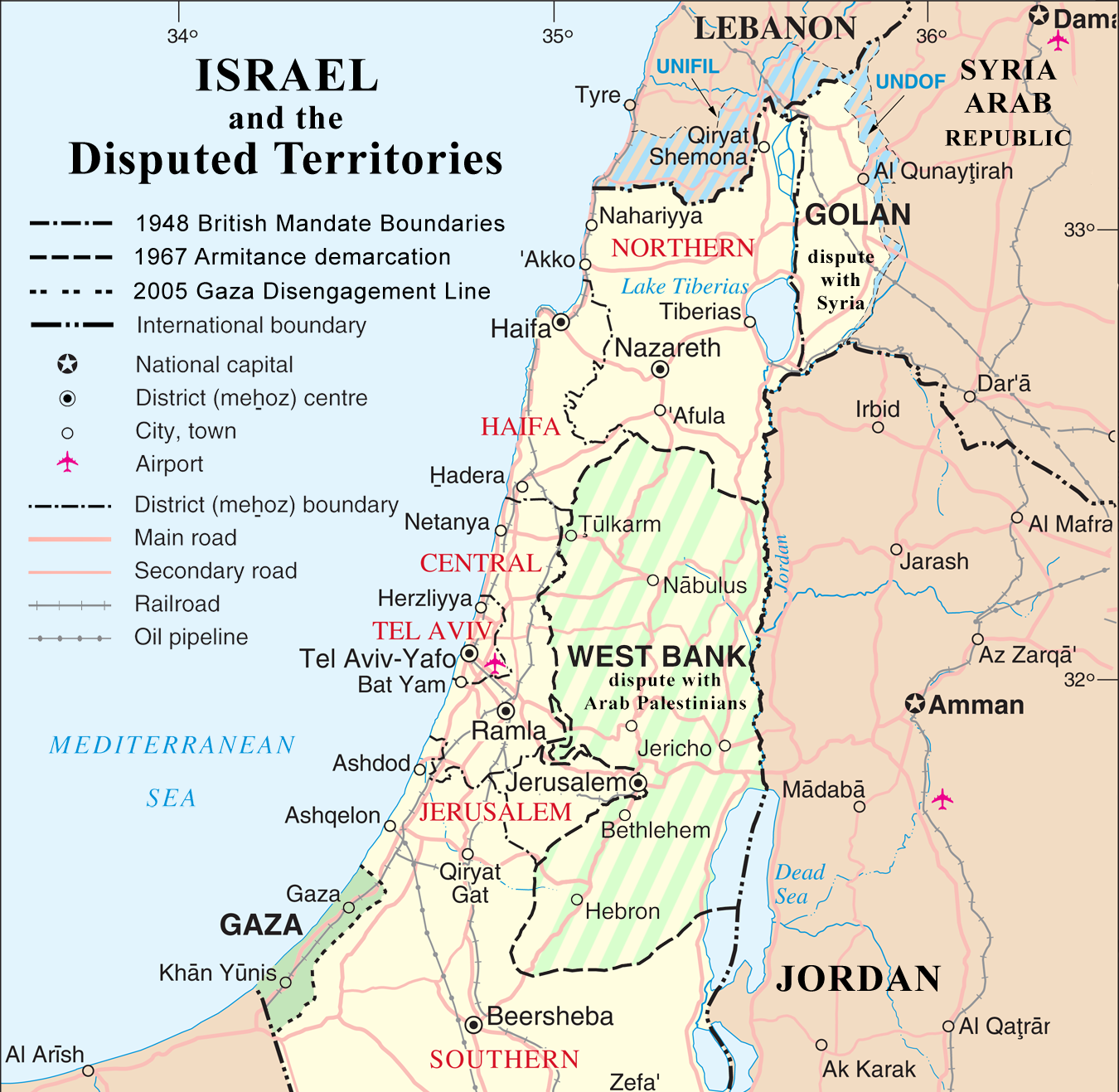
Due to the regional dynamics and considering its security, Israel has always adopted a domestic policy as a function of its foreign policy and vice versa. Although the external threats have changed during the decades, now and in the future, Tel Aviv will continue to adopt interlinked domestic and foreign strategies.
Recent events in the Gulf underlined that while Saudi Arabia is focusing on the al-Mahrah province on the border with Oman to ease its access to the Indian Ocean, the UAE is getting hold of the essential Yemenite islands, with the most relevant being Socotra.
In the aftermath of the events in Ukraine and the sanctions imposed on Russia, European countries are straggling in search of alternative gas imports. Turkey started a military operation in northern Iraq to ensure gas supplies from Kurdish fields.
The Western sanctions against Russia caused by the Ukraine conflict have changed the Kremlin’s foreign policy, which currently seems to be more oriented toward the Eurasian market, as the recent Iran-Russia trade conference highlighted.
The Iranian nuclear deal might become the watershed in the Middle Eastern dynamics, leading to regional escalations and divisions and rising the geopolitical risk level.
The recent al-Qaeda in the Arabian Peninsula terrorist attack against the Southern Separatist Forces in Yemen demonstrated the group’s capabilities and its possible influence in regional geopolitical dynamics and security.
The possible signing of the JCPOA might support Pakistan’s desire to play a strategic and logistic role in the Eurasian energy market linking transit corridors and pipelines.
Sauri Arabia and Kyrgyzstan discussed investments partnership confirming Riyadh’s desire to improve its economic presence in the Kyrgyz market and Central Asia and Bishkek’s necessity to diversify its financial partners and foreign investors.
The Syrian and UAE delegations meeting underlined Dubai’s diplomatic efforts to play a decisive role in the Middle Eastern geopolitics and international arena.
SpecialEurasia published the second report of our project “Geopolitics of Nuclear Energy in Eurasia” titled “How could the nuclear energy impact the oil and gas market in the Middle East?” in partnership with ASRIE Analytica and CeSEM – Centro Studi Eurasia Mediterraneo.
While the Russian military forces are approaching Kyiv, Chechnya is trying to play its diplomatic role in the Gulf Arab countries to support the Russian Federation in the international arena.
The Ukraine conflict and Western sanctions against Russia might highlight the Iranian role in the oil sector in the Eurasian chessboard, especially for the European Union interested in diversifying its energy import and decreasing the Russian grip.
The Iranian President Ibrahim Raisi arrived in Doha to attend the Gas Exporting Countries Forum (GECF) and probably sign several Memorandum of Understandings, most notably to realise a crucial underwater project that will connect Iran and Iraq.
The United Arab Emirates expressed their interests in increasing investments and trade with Iran whose geographical position in the Middle East and connections with the Caucasus and Central Asia plays a strategic role in international trade and relations.
Il libro “1979 Rivoluzione in Iran. Dal crepuscolo dello scià all’alba della Repubblica Islamica” scritto da Nicola Pedde e pubblicato da Rosenber & Sellier ci offre una analisi storica degli eventi e i personaggi che hanno caratterizzato il periodo prerivoluzionario e posto le basi per i moti che a partire dal 1978 hanno riscritto la fisionomia del paese.
The trial of Habib Farajollah Chaab, Iranian-Swedish ringleader of Al-Ahwaziah, revealed that Saudi Arabia financially supported the Arab separatist movement, which carried out attacks in Iran and several European countries.
SpecialEurasia organizza un webinar dal titolo “Geopolitica del Medio Oriente: dinamiche regionali, interessi economici e terrorismo” il cui obiettivo è quello di analizzare l’attuale situazione della regione mediorientale che gioca un ruolo importante nello scacchiere geopolitico euroasiatico.
The Turkish Cooperation and Coordination Agency (TIKA) plays a key role in promoting Ankara’s influence and presence in strategic regions through socio-cultural, economic and humanitarian projects.
On Wednesday, January 12th, 2022, the new German Government decided to extend by nine months the foreign mission in Iraq of the Bundeswehr until the end of October 2022. At the same time, the German Government discussed some adjustments regarding foreign missions to exclude the possibility of using the Bundeswehr in Syria.
The establishment of the National Council to End the Iranian Occupation in Lebanon, a significant development within the country’s political landscape, shed the light on sentiments held by a portion of the population towards Iran and its influential ally, Hezbollah.
The current Lebanese situation does not require an exacerbation of the tension among its components and a revival of additional factors of fear and caution, but rather a search for exits that mitigate tensions and reassure all communities about their existence and their cultural, social, and political specificities.
Lebanon and Italy have many common traits and some apparent differences. Both are centralised countries with marked differences between territories; both are experiencing a long-term political-institutional deadlock and wonder how to get out.
The Manama Dialogue in Bahrain highlighted that the United States are still interested in Middle Eastern geopolitics and dynamics. In this regard, the White House might increase its cooperation and connection with Kurdistan to coordinate the fight against the Islamic State and contrast the Iranian and Russian presence and influence in the region.
Since the so-called Arab Spring and concurrently with the U.S. slow disengagement from the Middle East, the Russian Federation has become a significant geopolitical actor in the Arab-Muslim world. Understanding Russian foreign policy with key Middle Eastern geopolitical actors and the Russian state companies’ activities is fundamental to forecasting possible future trends in the area.
The United Arab Emirates are among the Gulf countries the most active in Central Asia, as demonstrated by the participation of an Emirati business delegation at the International Business Forum Dushanbe-Invest 2021. Abu Dabhi’s investments in Tajikistan highlight Emirati strategy in the country and, generally speaking, in Central Asia to exploit economic opportunities and investment projects to make the UAE a leading foreign actor in the region.
The United Arab Emirates are interested in investing in the Central Asian republic of Kyrgyzstan and financing infrastructural, economic, energy, and social projects to become a key actor in a country affected by a massive debt with China.
Due to the U.S. sanctions, Iran has shifted its foreign policy looking for regional actors with whom to reach a new partnership. Therefore, in the last years, we have witnessed an increase in cooperation between Tehran and Moscow in different fields.
In the last few years, the Russian company Tatneft has expanded its business in the MENA region. Its roots in the Tatarstan Republic make it a perfect tool in the hands of the Kremlin, which wants to balance the Western influence in the area.
Iran and the United Arab Emirates will expand their commercial trade, although Tehran’s foreign policy is a source of permanent concern to Abu Dhabi and the Gulf states.
The recent visit of a Turkmen delegation in Abu Dhabi emphasised the rising role that the United Arab Emirates want to play in Central Asia, focusing their efforts on investment projects and diplomatic and trade cooperation.
During the first official visit to Uzbekistan of the Ministry of Foreign Affairs of Qatar, Doha expressed its desire to improve the cooperation and strengthen the relations with Tashkent, confirming the Qatari interest in the Central Asian dynamics.
La Federazione Russa considera l’Iraq uno dei suoi principali alleati in Medio Oriente. Il recente incontro tra i rappresentanti della compagnia Tatneft e le autorità irachene così come il crescente coinvolgimento russo nel mercato economico nazionale dell’Iraq evidenziano il ruolo che il Tatarstan potrebbe svolgere nel perseguire la strategia di Mosca in Medio Oriente.
Il presidente del Tagikistan Emomali Rahmon ha incontrato il ministro degli Interni iraniano Abdurrizo Rahmonia Fazil per discutere progetti congiunti nel settore sicurezza, evento che sottolinea l’interesse di Teheran nel promuovere la propria strategia in Asia centrale.
Qatar expressed interest in implementing major projects in the Republic of Turkmenistan. The Arab country aims at playing a significant role in Central Asia, trying to boost its influence and political-economic presence in Turkmenistan, a post-Soviet republic well-known for its energy resources and strategic position.
The Lebanese Prime Minister Hassan Diab announced the country’s inability to pay the foreign debt as a consequence of the domestic political crisis and the national financial default. Lebanon is becoming an unstable country where foreign powers and actors can exploit people’s hunger and domestic chaos to promote their agenda.
Turkish President Recep Tayyip Erdogan continues in his policy of exploiting migrants and refugees to checkmate the European Union denouncing the lack of political and material support for his very personal invasion of Syria. Due to the reopening of the Turkish borders with Greece, a huge number of refugees and migrants might come to Europe significantly affecting the current situation of the EU countries which are facing the problem of coronavirus.
La morte del leader dello Stato Islamico Abu Bakr al-Baghdadi in Siria a causa di un raid a guida statunitense può considerarsi uno dei tanti eventi nella lotta al terrorismo, ma non la vittoria su quello che è un fenomeno di portata mondiale che si è insinuato nelle crisi regionali grazie agli errori di politica estera ed interna degli attori internazionali.
La presenza dei gruppi jihadisti nord caucasici fedeli ad al-Qaeda oppure di militanti nord caucasici attivi tra le fila di Daesh che combattono nella guerra civile siriana contro le forze di Bashar al-Assad rappresenta una minaccia futura per la Russia ed in generale per l’Europa e la Turchia le quali potrebbero essere prese di mira da attentati terroristici contro strutture civili e militari.