
The geopolitical value of Myanmar in China’s Belt and Road Initiative
Due to its geographical position in the Asia-Pacific, Myanmar plays a strategic role in China's regional policy, especially in connection with the Malacca Dilemma.

Due to its geographical position in the Asia-Pacific, Myanmar plays a strategic role in China's regional policy, especially in connection with the Malacca Dilemma.
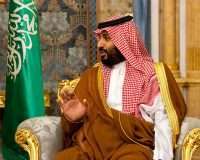
The forthcoming first Arab – China summit scheduled in Saudi Arabia confirms Beijing's interests in the Gulf Arab monarchies and the Middle East and Riyadh's strategy of diversifying its political and commercial partners and decreasing its dependence on the United States.
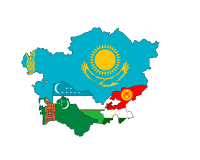
In connection with the 30th anniversary of the establishment of diplomatic relations between China and the five Central Asian states, the Minister of Foreign Affairs of the People's Republic of China, Wang Yi, confirmed Beijing's commitment and strategy in Central Asia and the Chinese desire to expand further cooperation and partnership in the region.
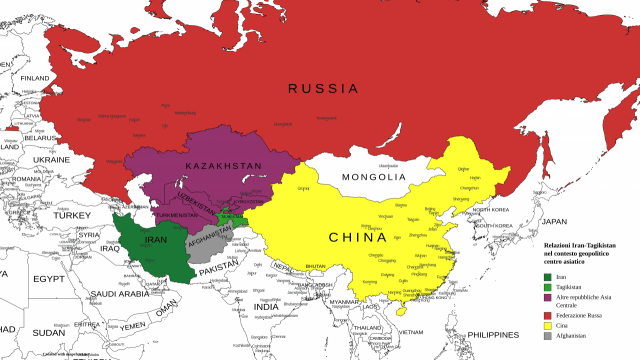
Iran e Tagikistan hanno intensificato le loro relazioni e la cooperazione nelle ultime settimane come parte della strategia di Teheran di aumentare la sua presenza e il suo ruolo nella repubblica dell'Asia centrale.

Geopolitika Evrazija Volume 1 Issue 1 - Sebbene nel 2020 il Kirghizistan abbia registrato una contrazione degli investimenti diretti esteri (IDE) a causa del Covid-19, il paese ha il potenziale per divenire un mercato per gli investitori stranieri interessati a posizionarsi in Asia Centrale, regione che ricopre un ruolo significativo nello scacchiere geopolitico eurasiatico.
Secondo fonti locali e i media cinesi, il Myanmar costruirà un porto a Kyaukpyu nella parte occidentale del paese e lo collegherà via autostrada e ferrovia a Kunming nella Cina meridionale. Questo porto diventerà una risorsa essenziale per la Belt and Road Initiative cinese e consentirà a Pechino di avere accesso all'Oceano Indiano ed evitare il problema dello Stretto di Malacca.
La Belt and Road Initiative elaborata da Pechino mira a proiettare la Cina come potenza mondiale a livello politico ed economico. Il settore energetico, ed in special modo quello del gas naturale, diviene quindi fondamentale per la crescia economica nazionale e l'affermazione cinese nello schacchiere geopolitico internazionale.