
South Korea-Africa Summit: A New Dawn in Bilateral Relations
The inaugural South Korea-Africa Summit, held on June 5-6, 2024, near Seoul, marks a historic shift in the economic and trade relations between South Korea and Africa.

The inaugural South Korea-Africa Summit, held on June 5-6, 2024, near Seoul, marks a historic shift in the economic and trade relations between South Korea and Africa.

In the backdrop of a three-nation military exercise involving the United States, South Korea, and Japan in the East China Sea, this report delves into the intricate geopolitical landscape surrounding the Korean Peninsula. Analysing the growing relations between China and South Korea, we scrutinise the multifaceted factors influencing Beijing’s strategic calculus.
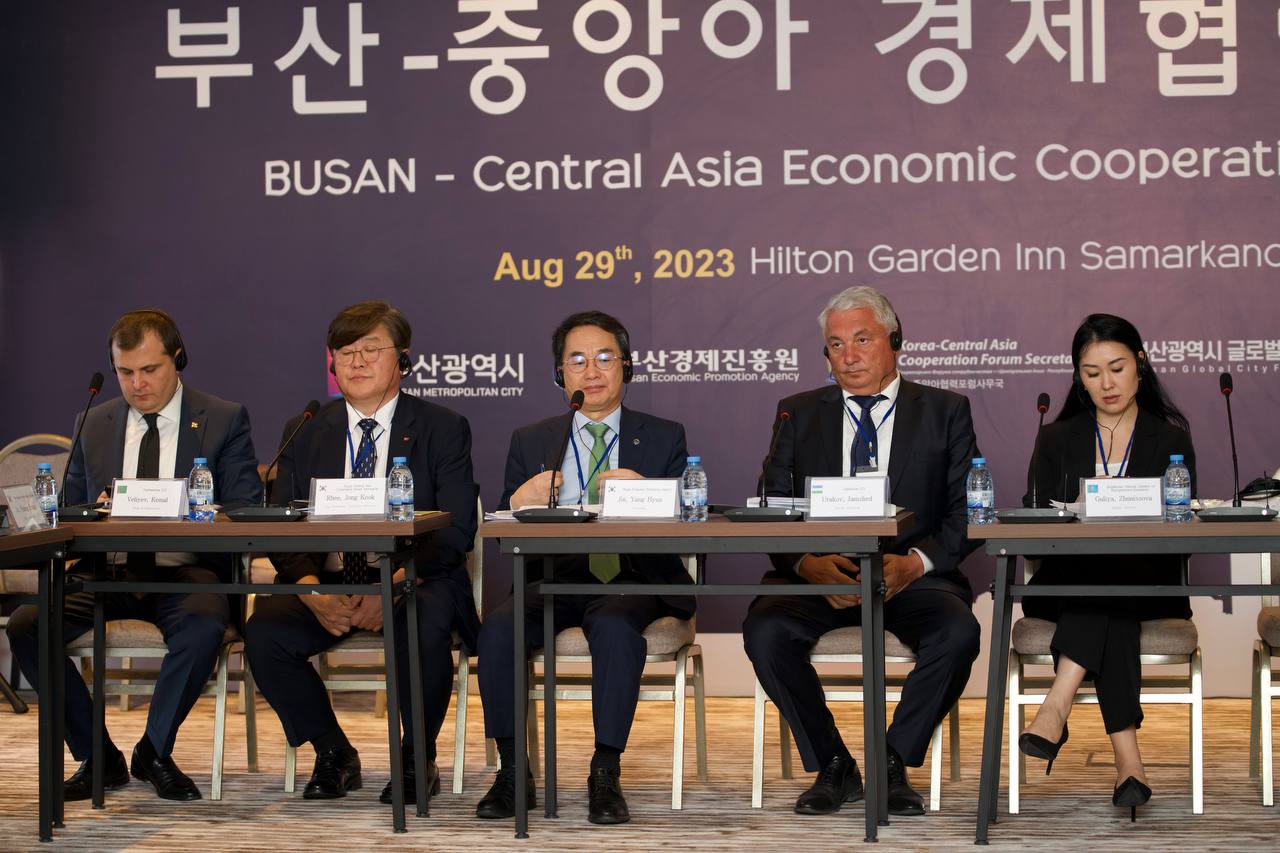
In an increasingly interconnected and multipolar world, the recent Busan Economic Forum has confirmed Seoul and the Central Asian republics’ interests to strengthen economic and trade relations, positioning South Korea amidst a dynamic landscape shaped by global powers as well as pivotal regional actors.
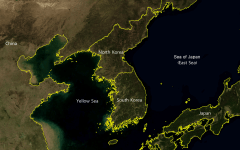
The current situation in the Korean Peninsula represents a severe threat to economic-strategic stability in the East China Sea geo-maritime space for the United States, the People's Republic of China, and the Russian Federation.
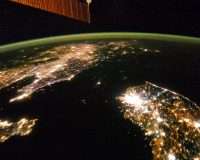
Nancy Pelosi's visit to South Korea highlighted Seoul's role in Washington's Asia-Pacific strategy to contrast North Korea's military threat in the Korean Peninsula and, at the regional level, confront the rising Chinese presence.

On May 20th-24th, 2022, U.S. President Joe Biden paid diplomatic visits to Japan and South Korea to confirm the geopolitical importance the United States attaches to the Asia-Pacific region
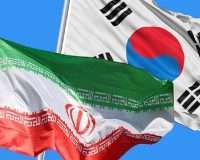
Geopolitical Report ISSN 2785-2598 Volume 15 Issue 5 - Iran and South Korea might improve their economic and financial relations if the Asian country will release frozen Iranian assets after having played a positive role in the recent nuclear talks in Vienna.
The political-strategic priorities of the People's Republic of China, the Russian Federation and the United States had conferred high geostrategic value to the Korean Peninsula in the North-East Pacific Scenario. In this region, since the totalitarian regime of North Korea hardly coexists with a Western-type State of South Korea, military assets play a fundamental role.
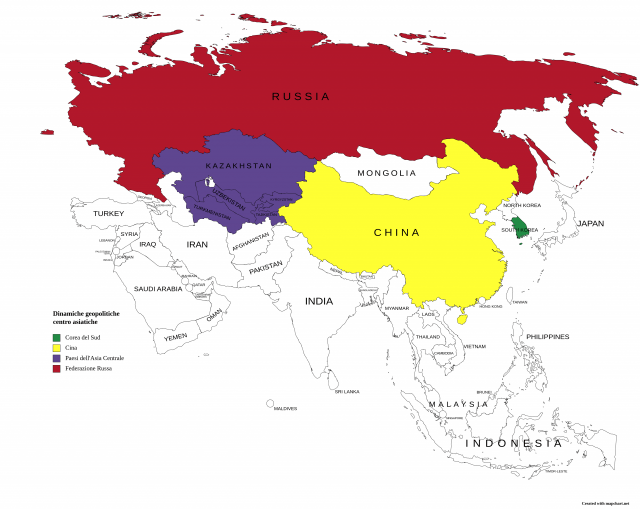
La Corea del Sud è diventata negli ultimi anni uno dei maggiori partner commerciali per le repubbliche dell’Asia centrale del Kazakistan e dell’Uzbekistan e, grazie al suo slancio economico, potrebbe imporsi come un attore geopolitico emergente in grado di fronteggiare la Russia e la Cina e supportare gli Stati Uniti nello scacchiere strategico regionale.