The recent military escalation at the Nagorno-Karabakh/Azerbaijan border, which caused victims from both sides, could negatively affect relations between Moscow and Baku and plunge the region into a new geopolitical, security, and socio-political crisis.
Since the beginning of the special military operation of the Russian Armed Forces in Ukraine, political leaders and experts have been seriously concerned about the situation on the world food market. It is possible that a number of countries in North Africa and the Middle East may face a real threat of famine.
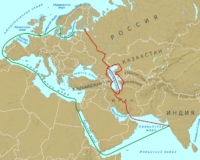
Russia and Azerbaijan discussed the “Green Corridor” project, which might become an alternative trade route to counter Western sanctions and strengthen Moscow-Baku relations in the Caucasus and the Caspian Sea region.
Due to the political-military instability in the Korean Peninsula, Moscow and Tokyo have increased their monitoring activities in the Sea of Japan to defend their respective geopolitical and strategic interests.
The Ukraine conflict has highlighted the prominent role that cybercriminals and hackers might play in a contemporary war characterised by the extensive use of tech products, social media and the Internet.
Since the Ukraine conflict has attracted foreign fighters and the Russian Armed Forces have among their soldiers Muslim believers, the leaders of the Russian Muslim organisations released a statement supporting the Kremlin.
During the last few days, Russian companies have shown interest in supporting the TAPI pipeline project and the Taliban in reparing their helicopters and training personnel highlighting the Kremlin’s strategy in Central Asia and Afghanistan.
Ukraine conflict and the Russian military operations highlight that international security can only be mutual, based on relevant contractual obligations and tangible actions that create an atmosphere of mutual trust.
While the Russian military forces are approaching Kyiv, Chechnya is trying to play its diplomatic role in the Gulf Arab countries to support the Russian Federation in the international arena.
E’ stato pubblicato oggi il primo report dal titolo “La diplomazia del nucleare russo nello spazio post-Sovietico” facente parte del progetto “Geopolitics of Nuclear Energy in Eurasia” avviato da SpecialEurasia in partnership con ASRIE Analytica, il CeSEM – Centro Studi Eurasia Mediterraneo e Opinio Juris – Law & Politics Review.
The Moldovan application for EU membership might create another front of the confrontation between Moscow and Brussels in a period of time characterised by European sanctions due to the Russian military invasion in Ukraine.
In the emerging realities of international relations, it seems crucial to develop an understanding of how the Russian-Ukrainian conflict, which escalated in 2022, will affect the situation in various regions of Eurasia, for example, in the Caspian region, which after the collapse of the USSR turned into one of the most important and complex geopolitical problems of international relations.
Until now, the Ukrainian conflict has not changed the situation in the Russian influence areas where regional players mainly preferred to maintain neutrality and avoid any confrontation with Moscow.
The Ukraine conflict has attracted the attention of foreign fighters eager to fight against the Russian troops and the Chechen kadyrovtsy. If the war lasts longer than Moscow planned, there is a severe threat that Ukraine might evolve into a battleground where foreign fighters will promote terrorism and jihadist propaganda.
As clashes in Kyiv and other Ukrainian cities escalate, Brussels is discussing additional manoeuvres to strike Russia, although Moscow might have adopted counter-measures based on alternative gas pipelines to export its natural gas to the Asian markets and support its economy.
As long as Russian and Ukrainian troops are fighting each other on the ground, Anonymous started cyber warfare against the Kremlin, showing that in the 21st century, countries and non-state actors might fight a war on different levels.
The Chechen kadyrovtsy might have been deployed in Ukraine to support the Russian troops. This news caused the reaction of the Caucasus Emirate and underlined the important role that Chechnya plays in the Kremlin’s foreign policy and military strategy.
The Ukrainian army announced that fights are underway in the north of Kyiv underlying the Kremlin’s desire to conquer the Ukrainian capital, neutralise the military capabilities and overthrow the Government.
The war between Russia and Ukraine, which has just begun, could also have implications in the sphere of the operations and propaganda of the Salafist-jihadist organisations.
Since the early morning hours, the Russian invasion of Ukraine has affected the financial markets, particularly the Russian economy, creating fears and scepticism among investors and the Russian citizens.
The Russian Federation launched a military operation in Ukraine and threatened consequences for those who interfered in the conflict supporting Kyiv.
Russia recognised the independence of the Donetsk People’s Republic (DPR) and Luhansk People’s Republic (LPR), marking a decisive move in the framework of the Ukrainian Crisis and alarming the international community about the imminence of the conflict.
Within the North Pacific Area, the Bering Strait and the area surrounding are for the Russian Federation and the United States a geo-maritime space of vital importance inherent to the defence of their respective geopolitical interests.
Turkmenistan and Tatarstan aim to increase their economic cooperation and trade turnover and create a favourable environment to support joint projects, investments, and economic development. Tatarstan foreign policy in Central Asia is becoming more active and supporting Moscow’s regional strategy.
Giuliano Bifolchi, Research Manager di SpecialEurasia, analizza il processo storico, culturale e religioso della regione nord caucasica nel suo libro “Storia del Caucaso del Nord tra presenza russa, Islam e terrorismo” pubblicato da Anteo Edizioni.
The upcoming parliamentary elections in the Republic of Abkhazia are crucial for the Abkhaz political life, and regional geopolitics since the country plays a strategic role in the Caucasus and the Black Sea region.
Since Kazakhstan and Bashkortostan have increased their economic partnership and trade volume, Ufa might significantly promote and strengthen Moscow-Nursultan relations.
For the Russian Federation, since its conquest against the Japanese Empire at the end of World War II, the Kuril Islands have represented an island area of vital geostrategic importance for the defence of its interests in the Asia-Pacific Northwest.
A deep crisis on the eastern side of Europe might lead to a new confrontation between the United States (read NATO) and Russia. If the direct war between the two powers seems difficult to happen, the sense of encirclement perceived by the Russians is dangerously pushing Moscow into the arms of Beijing.
After the US troops’ withdrawal from Afghanistan, the United States is expected to redefine its position in Central Asia to contrast the Kremlin’s Eurasian Economic Union and Collective Security Treaty Organisation, Beijing’s Belt and Road Initiative and Shanghai Cooperation Organisation and the Iranian regional strategy.
L’incontro avvenuto a Mosca con Konstantin Kolpakov da parte del nostro team ha permesso di mettere in risalto il ruolo che possono avere i giovani diplomatici nella politica estera russa e nel monitoraggio e comprensione dei fenomeni che maggiormente influenzano lo scacchiere geopolitico internazionale.
The recent official visit of the President of Tatarstan in Bishkek and the forum ‘Tatarstan – Kyrgyzstan’ highlighted the role that Kazan might play in supporting the Russian strategy in the Kyrgyz republic by improving economic cooperation and trade turnover.
The recent telephone talk between Putin and Raisi highlighted Russia-Iran cooperation on geopolitical, security, and economic issues in Eurasia and Moscow-Tehran’s desire to strengthen their partnership and collaboration on Afghanistan, Syria, Nagorno-Karabakh.
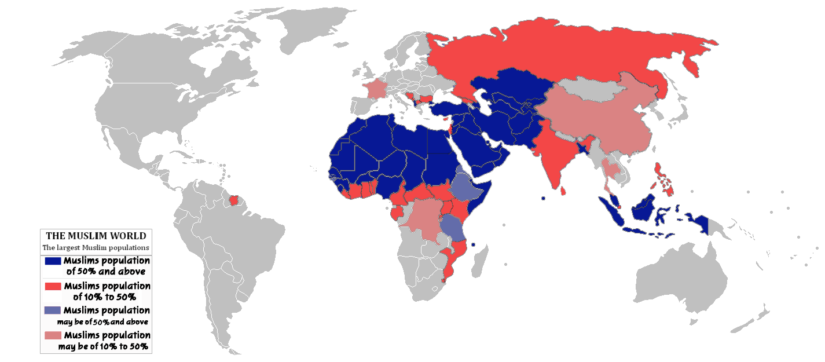
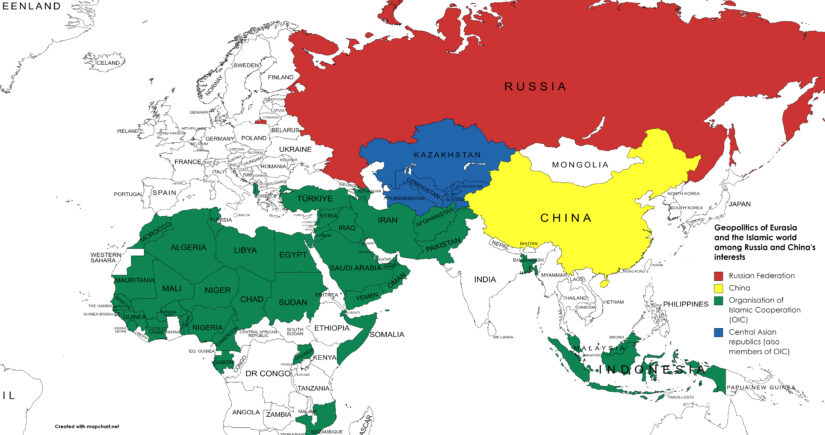
Since the so-called Arab Spring and concurrently with the U.S. slow disengagement from the Middle East, the Russian Federation has become a significant geopolitical actor in the Arab-Muslim world. Understanding Russian foreign policy with key Middle Eastern geopolitical actors and the Russian state companies’ activities is fundamental to forecasting possible future trends in the area.
The recent CIS meeting underlined the Kremlin’s strategy to strengthen its influence in Eurasia through military cooperation and diplomacy. In an era characterised by confrontation with the United States and the rise of China’s Belt and Road Initiative, Russia confirms its desire to be the principal player in Eurasia.
Since its birth after the 1821 war against the Ottoman Empire, the Modern Greek state has always been linked to the then three major powers: France, the U.K., and Russia, with the U.K. being substituted by the U.S. during the 20th century to contain the Soviet threat. This dependency is still a reality in Greek politics and foreign affairs. Athens remains a bone of contention for those powers fighting for a strategic position in the Mediterranean Sea.
Turkmenistan seeks regional and international partners to strengthen the national economic performance and attract investors in infrastructural projects. Recent meetings between Turkmen and Russian official representatives and companies underline the Kremlin’s strategy to increase its presence in the country and Ashgabat’s necessity to diversify its commercial partners.
The political-strategic priorities of the People’s Republic of China, the Russian Federation and the United States had conferred high geostrategic value to the Korean Peninsula in the North-East Pacific Scenario. In this region, since the totalitarian regime of North Korea hardly coexists with a Western-type State of South Korea, military assets play a fundamental role.
The recent terrorist attack in Kunduz alarmed Tajikistan and Russia on the stability and security of the Afghan-Tajik borders and the Taliban ability to counter Islamic State and other terrorist groups in Afghanistan. In this framework, Moscow and Dushanbe are seeking to enhance their cooperation in the security field, confirming the Russian strategy to play a decisive role in Afghanistan and Central Asia.
The meeting between the Iranian Foreign Affairs Minister Amir Abdollahian and his Russian counterpart Sergey Lavrov highlights that Iran seeks to strengthen its cooperation with Russia to support its new foreign policy based on regional cooperation and commercial trade.
The geostrategic importance that the Mediterranean Sea has assumed in recent years can be traced back to the political-strategic priorities defined by Russia, the United States and some of its allies (Italy, Spain, France), identifiable as the states most militarily active within some regions of this geo-maritime space.
Il giorno 7 ottobre 2021 a San Marino il partito politico Libera organizzerà un evento volto ad analizzare e promuovere le relazioni tra il Titano e il Cremlino a seguito della recente visita in Russia del Segretario di Stato agli Esteri della Repubblica di San Marino Luca Beccari e del suo incontro con il Ministro […]
Fin dall’inizio il Conflitto nel Donbass si è frapposto nei rapporti tra la Federazione Russa e l’Unione Europea così come nelle relazioni tra Mosca e Kiev. Un suo acutizzarsi potrebbe comportare la destabilizzazione non solo della regione, ma dell’intero scacchiere geopolitico euroasiatico.
Il Distretto del Caucaso del Nord, area di primaria importanza strategica euroasiatica, mira a divenire un centro di attrazione turistica sia attraverso la realizzazione di progetti di investimento e di costruzione di infrastrutture per il turismo sia tramite una campagna di promozione volta a valorizzare la storia, la cultura e il patrimonio ambientale locale.
La repubblica centro asiatica del Tagikistan è divenuta il centro della resistenza afghana nel Panjshir e il primo baluardo contro il Governo dei talebani in Afghanistan, fattore che ha indotto Mosca a richiedere un dialogo tra Dushanbe e Kabul per evitare una possibile escalation e un conflitto regionale.
The recent visit of the South Ossetian President to Abkhazia to celebrate Victory and Independence Day and the meeting among South Ossetian and Abkhaz presidents and ministers underline their cooperation and the role that these two republics play in the South Caucasian geopolitics.
Laplace’s Demon is the Russian solution in Open Source Intelligence (OSINT) adopted to contrast phenomena such as terrorism, radicalization, criminal activities or monitor brand reputation, inter-ethnic conflicts and economic trends.
Strategic communication has characterised the recent Russia – European Union dynamics. In this article, we aim to analyse the structure and work of Meduza.io, a news website that has played a decisive role in the Moscow-Brussels confrontation.
The Russian elections started today among the rumours and allegations that international media have reported on the legitimacy of the Russian electoral process. SpecialEurasia had the opportunity to visit some polling stations in Kronshtadt to evaluate the transparency of the Russian elections.
The recent visit of Nikolai Patrushev to India underlines prospects of cooperation between Moscow and New Delhi on regional security and geopolitics, particularly after the U.S. troops withdrawal from Afghanistan and the Taliban rise to power.
Due to the U.S. sanctions, Iran has shifted its foreign policy looking for regional actors with whom to reach a new partnership. Therefore, in the last years, we have witnessed an increase in cooperation between Tehran and Moscow in different fields.
In the last few years, the Russian company Tatneft has expanded its business in the MENA region. Its roots in the Tatarstan Republic make it a perfect tool in the hands of the Kremlin, which wants to balance the Western influence in the area.
Alessandro Fanetti introduce il lettore alle principali tematiche utili per la comprensione della Federazione Russa considerando non solo la politica interna ed estera, ma anche le dinamiche interne relative alla religione, alla convivenza di diversi gruppi etnici, e al processo storico che ha formato l’identità russa.
The complete NATO troops withdrawal from Afghanistan and the rise of the Taliban mark the beginning of a new geopolitical game in the region, which involves China, Russia, Pakistan, Iran, India and Turkey. At the same time, the United States seems to have increased their strategic interest in the Asia-Pacific to counter Chinese sea power and in the Middle East to confront Iran.
Anche se l’Ucraina guarda alla democrazia dell’Unione Europea, attualmente il paese è ancora caratterizzato da un sistema oligarchico e da una leadership politica che ha fatto del nazionalismo e del militarismo elementi portanti della propria politica e comunicazione strategica interna.
The Indian Foreign Affairs Minister’s recent visit to Moscow highlights that Russia-India relations intensify because New Delhi has become one of the Kremlin’s essential trading partners and a valuable ally in Afghanistan and the Indo-Pacific.
Tehran’s attempt to become a member of the Eurasian Economic Union aims to enhance its trade partners and contrast the economic problems caused by the U.S. sanctions.
The Russian Federation wants militarily to support Tajikistan with the aim of controlling the borders with Afghanistan and contrasting the possible Taliban offensive in the region.
Le elezioni parlamentari in Armenia hanno decretato la vittoria di Nikol Pashinyan generando scontento in una parte dell’elettorato e in Nagorno-Karabakh e confermando quanto il futuro della repubblica armena possa essere caratterizzato da tensioni sociali.
Since U.S. President Joe Biden confirmed the NATO troop withdrawal from Afghanistan, several regional and international actors have demonstrated their commitment to support the Afghan transition peace process and exploit the possible geopolitical vacuum left by Washington.
Negli ultimi anni si è assistito ad una intensificazione dei legami di cooperazione fra Russia ed Iran, complici le sanzioni imposte alla Repubblica Islamica dagli Stati Uniti ed i difficili rapporti fra Mosca e Washington, che hanno finito per avvicinare ulteriormente le potenze regionali che condividono scenari ed interessi comuni.
La Federazione Russa considera l’Iraq uno dei suoi principali alleati in Medio Oriente. Il recente incontro tra i rappresentanti della compagnia Tatneft e le autorità irachene così come il crescente coinvolgimento russo nel mercato economico nazionale dell’Iraq evidenziano il ruolo che il Tatarstan potrebbe svolgere nel perseguire la strategia di Mosca in Medio Oriente.
Nel novembre 2020 la Bielorussia inaugurò la nuova centrale nucleare di Astravyets, costruita in collaborazione con la Russia. Il presidente bielorusso Lukashenko, presente all’inaugurazione, dichiarò che questo per la Bielorussia rappresentava un momento storico, poiché il paese stava diventando ufficialmente una potenza nucleare. Nonostante i timori sollevati dagli Stati Baltici per la sicurezza, la centrale […]
In Belgio, la polizia locale ha condotto 28 perquisizioni contro l’organizzazione terroristica Imarat Kavkaz a dimostrazione di come la propaganda jihadista in lingua russa possa influenzare la diaspora nord caucasica presente sul suolo europeo.
Il conflitto del Nagorno-Karabakh ha evidenziato come le aree di crisi all’interno dello spazio post-sovietico possano rapidamente sperimentare un riacutizzarsi degli scontri in grado di causare una ripresa del conflitto armato capace di influenzare le dinamiche locali e interessare gli attori internazionali. In Ucraina, la regione del Donbass, a causa delle dinamiche locali, potrebbe divenire il prossimo teatro di scontro nello scacchiere euroasiatico.
Giuliano Bifolchi, Research Manager di SpecialEurasia, analizza l’importanza del Caucaso del Nord nel suo libro “Geopolitica del Caucaso russo. Gli interessi e l’influenza del Cremlino e degli attori stranieri nelle dinamiche locali nord caucasiche” pubblicato da Sandro Teti Editore.
After a long meeting, the leaders of Azerbaijan and Armenia, supervised by Russia, agreed on the ceasefire, which should precede the peace negotiation between Baku and Yerevan on the Nagorno-Karabakh conflict. Although Azerbaijan is claiming its victory in the conflict, the Russian Federation is the real winner in Nagorno-Karabakh.
The recent terrorist attack in France highlights the security problem and the impact of jihadist propaganda in the Russian language inside the European Union. In fact, Islamic State ideologies and the presence of the North Caucasian diaspora in Europe might threaten EU security.
The Russian ambassador in Afghanistan, Dmitry Zhirnov, confirmed the Kremlin’s interests in improving its diplomatic and commercial relations with Kabul and supporting the national peace process without any forms of foreign interference. Zhirnov’s words underlined the Russian desire to play a strategic role in Afghanistan and counter the United States and Chinese presence.
Turkey continues its technical military partnership with the Russian Federation because of Ankara’s will of upgrading its defence system and capabilities and make the country less dependent from NATO. The second Turkish purchase of the Russian S-400 might change the balance inside the North Atlantic Alliance and make Moscow and Ankara closer in the international arena.
L’Ucraina del presidente Zelensky continua a guardare in direzione occidentale auspicando di divenire membro dell’Unione Europea e della NATO, ma si vede costretta a gestire una situazione difficile interna aggravata dalla crisi sanitaria del COVID-19 e dall’acutizzarsi di vecchi problemi come la corruzione, il potere degli oligarchi e lo stallo in merito al conflitto con la Russia.
Russia plans to develop the infrastructure of the port of Makhachkala to transform the Dagestani capital into a logistic hub in the Caspian Sea and the Caucasus region and boost socio-economic development. Moscow’s desire to upgrade Makhachkala’s seaport and airport challenges the city of Baku, and the Azerbaijani aim to become the Caspian interconnection.
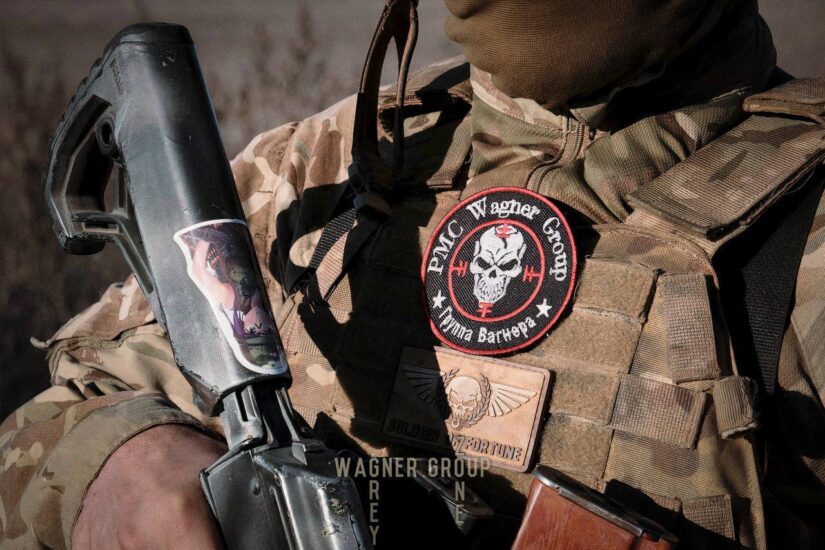
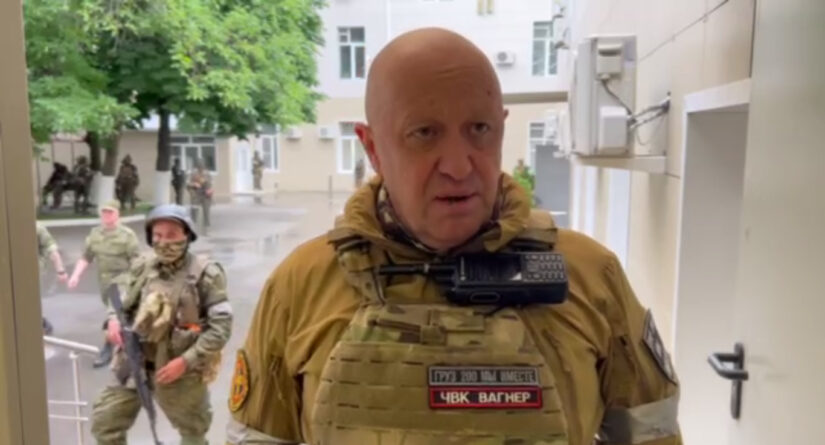
I servizi di sicurezza bielorussi ed i media locali hanno riportato la notizia dell’arresto di 33 contractors russi della compania Wagner accusati di pianificare azioni di destabilizzazione del paese in vista delle elezioni presidenziali previste per il 9 agosto 2020. Tale evento sottolinea ancora una volta come i rapporti Mosca – Minsk si siano raffreddati con la Bielorussia pronta a guardare verso l’Occidente e la Cina.
Iran and Russia are strengthening their bilateral cooperation in the field of scientific research focusing their attention on the Caspian Sea since the region plays a strategic role in the international arena and energy market.
The recent attempt to organise a terrorist attack in Vladikavkaz highlighted that the North Caucasus had not defeated local and international terrorism, and jihadist organisations are still a severe threat in the region.
Il Procuratore Generale della Federazione Russa ha dichiarato la Jamestown Foundation un’organizzazione ‘indesiderata’ a causa di una serie di articoli pubblicati in merito all’area del Caucaso nordoccidentale i quali fomenterebbero il disordine e le divisioni settarie.
Nella ‘guerra all’informazione’ che ha contraddistinto il confronto/scontro tra gli Stati Uniti e la Russia il Cremlino ha individuato il think tank statunitense The Jamestown Foundation come una ‘minaccia’ per la sicurezza e unità del paese.
The abolition of Minkavkaz might be considered part of the political-institutional reshuffle which Putin started in the Russian Federation. This decision might be interpreted as the Kremlin’s will to change its approach to the North Caucasian dynamics.
Saudi Arabia may refuse to cooperate with the Russian Federation in terms of coordinating oil production volumes due to Covid-2019 which is demonstrating how a virus might impact not only the national security but also the economy and the international trade market with serious repercussion in the case of Russia because the country strongly depends on energy export.
The recent crisis between Russia and Belarus due to the oil supply has shocked the geopolitical dynamics of the Eurasian chessboard and opened new opportunities for the European Union and China in case Moscow and Minsk will not find an agreement in a short time.
La repubblica di Abkhazia situata nel Caucaso sta vivendo una crisi politica interna dopo le dimissioni del presidente Raul Khajimba avvenute nella notte tra il 12 e il 13 gennaio 2020. La crisi politica abcasa ha impatto significativo su un paese che è dipendente dal supporto economico-finanziario e militare russo e che vive un isolamento perpetuo a seguito della sua indipendenza ottenuta de facto nel 2008 a seguito della Guerra Russo-Georgiana.
L’Ucraina orientale a causa delle dinamiche locali e dei forti interessi internazionali, potrebbe divenire il prossimo teatro di scontro nello scacchiere geopolitico euroasiatico.
Il Caucaso del Nord continua a dare segnali contrastanti per quel che riguarda la sicurezza interna dimostrando sempre di più quanto la gestione di questa regione del sud della Russia sia complessa e debba prendere in esame tutta una serie di peculiarità locali e di influenze esterne.
Even though Islam is one of the main national confessions in Russia, the Kremlin has faced internal problems such as Islamophobia related to the terrorist attacks and jihadist propaganda disseminated on Russian soil.
Il Forum sulla Società Civile in Russia ha messo in risalto le direttive del Cremlino nel campo socio-culturale ed economico in un paese che sta affrontando critiche dalla comunità internazionale, ma che guarda e promuove il proprio modello e sistema paese.
I mondiali di calcio FIFA 2018 che si sono svolti in Russia hanno sottolineato il ruolo che i grandi eventi sportivi possono avere nel quadro della geopolitica internazionale.
The terrorist attack in St. Petersburg highlighted security concerns in the Russian Federation and the terrorist organisations’ ability to target Russian territory.
La presenza dei gruppi jihadisti nord caucasici fedeli ad al-Qaeda oppure di militanti nord caucasici attivi tra le fila di Daesh che combattono nella guerra civile siriana contro le forze di Bashar al-Assad rappresenta una minaccia futura per la Russia ed in generale per l’Europa e la Turchia le quali potrebbero essere prese di mira da attentati terroristici contro strutture civili e militari.