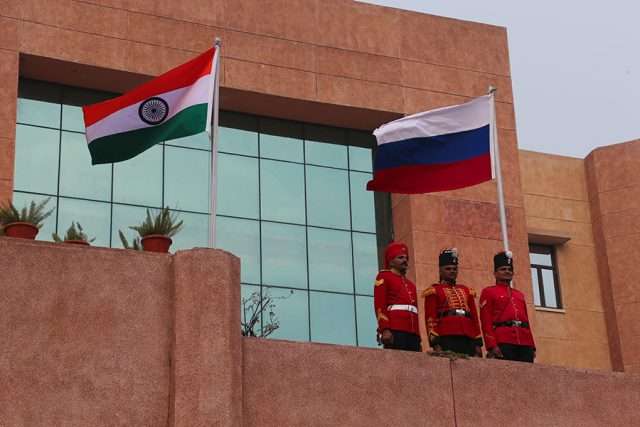
This report provides an assessment and analysis of the 25th Anniversary of the Declaration on Strategic Partnership between India and Russia in the period of changing geopolitical environment in world politics.
This report assesses the current scale, constraints and strategic implications of commerce between India and the Central Asian states, based on the recent findings published by the Eurasian Development Bank and India Exim Bank.
This report examines the geopolitical significance of the tenth Eastern Economic Forum (EEF), convened on September 3, 2025, in Vladivostok.
This report provides an assessment and overview of India’s foreign relations with the Central Asian Republics (CARs) based on an established new kind of platform as well as special relations in security, climate change, ICT, and trans-terror.
The Islamic Republic of Iran started increased its diplomatic and economic pivot towards the East, engaging intensively with Russia, China, and India during the recent SCO Summit and in the aftermath of the conflict with Israel in June 2025.
India and Pakistan are engaged in their most severe military confrontation since 1971, triggered by a deadly militant attack in Indian-administered Kashmir. This report assesses the sequence of military actions, evaluates geopolitical implications, and outlines the risks of further escalation.
This report analyses India’s developing geopolitical positioning, the affects of recent sanctions on Indian entities linked to Russian transactions, and the strategic implications for decision-makers.
This report aims to assess India’s geopolitical and economic environment by analysing its internal capabilities, vulnerabilities, external opportunities, and threats. This evaluation is crucial in understanding India’s potential trajectory in becoming a global economic and geopolitical leader.
Russia is bolstering its energy relations with India through a strategic partnership involving Iran for coal exports, leveraging the International North-South Transport Corridor (INSTC) to facilitate coal exports.
The international Islamist movement, Hizb ut-Tahrir, has intensified its propaganda targeting India. Recent arrests of several militants affiliated with the group in Central and Southern Indian states, including Madhya Pradesh, Chhattisgarh, Telangana, and Tamil Nadu, confirm the covert presence of this organisation within the country.
To counter a rising China, the U.S. should revise its definition of the Indian Ocean area of responsibility, and formulate a plan dedicated specifically to the Bay of Bengal and Myanmar.
Geopolitical Report ISSN 2785-2598 Volume 29 Issue 8 Author: Guido Keller India and Turkmenistan discussed expanding cultural cooperation confirming New Delhi’s strategy in Central Asia and Ashgabat’s desire to diversify and enhance its collaboration and ties with regional actors.
In the framework of the Eastern Economic Forum 2022, we met Dr Shoaib Khan to analyse the current state of relations between Russia and India, key areas of cooperation and expectations from the Forum.
The Islamic State started its jihadist propaganda in India in 2020 during the pandemic crisis publishing its magazine Voice of Hind or Sawt al-Hind to exhort Indian Muslims to wage jihad and carry out attacks in the country.
The Turkmenistan-India meeting highlighted the role that Afghanistan plays in Ashgabat and New Delhi’s foreign policy and regional strategy and the importance that the TAPI project play for Turkmen and Indian economies.
Recent separate summits between China, India and Central Asian republics stressed New Delhi – Beijing’s competition in the region and their attempt to influence local dynamics exploiting the current situation in Afghanistan, economic cooperation, investments in infrastructural projects, and security cooperation against terrorism.
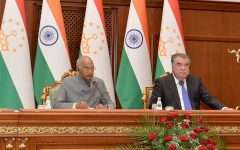
Since India seeks to strengthen its position and influence in Central Asia to counter China and Pakistan and Tajikistan needs to diversify its international partners, New Delhi – Dushanbe economic and diplomatic partnership might have a geopolitical effect on regional dynamics.
The recent visit of Nikolai Patrushev to India underlines prospects of cooperation between Moscow and New Delhi on regional security and geopolitics, particularly after the U.S. troops withdrawal from Afghanistan and the Taliban rise to power.
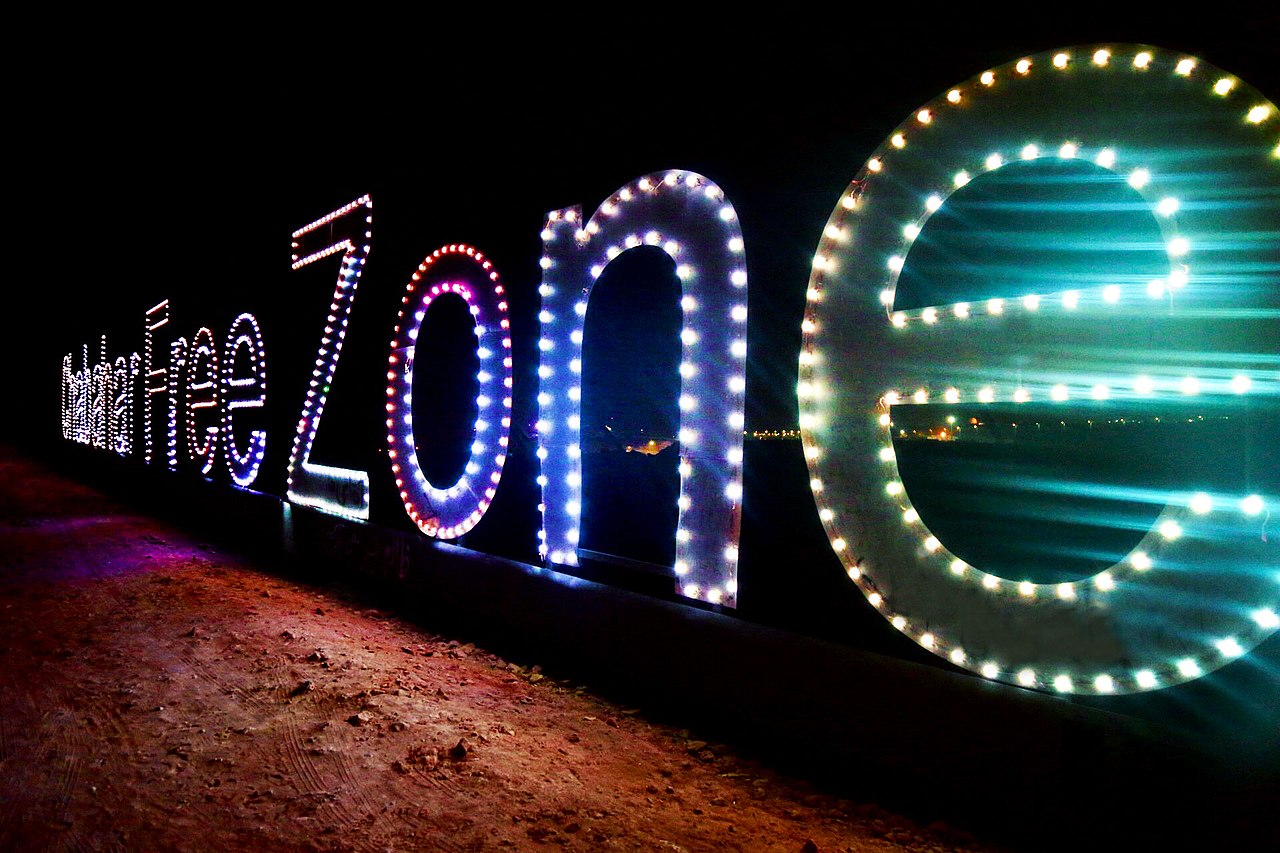
Questo report si propone di analizzare l’importanza e il ruolo del porto di Chabahar per India, Afghanistan e Pakistan, attori direttamente coinvolti da questa infrastruttura insieme alla Repubblica Islamica dell’Iran (Parte 2)
The Indian Foreign Affairs Minister’s recent visit to Moscow highlights that Russia-India relations intensify because New Delhi has become one of the Kremlin’s essential trading partners and a valuable ally in Afghanistan and the Indo-Pacific.