This report examines the proposed Central Asian Gas Ring, assessing its potential to stabilise regional energy supply, attract investment, and alter the geopolitical and economic balance among Central Asian states and external actors.
Executive Summary This report examines the Taliban-led Afghan government’s decision to launch a $10 billion energy infrastructure project with Azizi Energy. The initiative seeks to build 10,000 megawatts of electricity capacity in the next ten years to lessen reliance on imported energy and meet domestic needs. It also has political aims, such as increasing control […]
Central Asia faces a growing natural gas shortage because of the increasing population and insufficient infrastructure.
This report investigates China’s proposal for a Global Energy Interconnection (GEI), an eighteen-line ultra-high voltage (UHV) network linking over 80 countries with renewable energy and smart-grid infrastructure. The project represents a major geopolitical development with profound implications for the global energy governance.
This report examines the strategic importance of the North Caucasus region for Russia, focusing on its role as a critical energy transit hub and local energy production area. Following the Ukraine conflict and the rising energy demands, the enhancement of energy infrastructure, including both local and transnational oil and gas pipelines, has become a key focus of the Kremlin policy.
This report evaluates the state of water security and energy cooperation in Central Asia. It underscores the importance of these issues within the region’s foreign policy agendas, given the growing environmental challenges and socio-economic demands.
The trilateral cooperation in the energy field between Turkmenistan, Iran, and Iraq might significantly impact the Eurasian geopolitical chessboard and transform these countries as natural gas exporters and alternative key actors in the Middle East and Central Asia.

Geopolitical Report ISSN 2785-2598 Volume 27 Issue 4 – The recent meeting between Kazakh and U.S. representatives in Washington stressed Astana’s desire to balance its foreign policy between the West, Russia, and China, and the White House strategy to increase its presence in the Central Asian republic.
In October 2022, representatives of Kazakhstan, Turkmenistan, Azerbaijan, Iran, and Russia will attend the second Caspian Economic Forum hosted in Moscow to discuss future energy cooperation and projects.
In a world of growing polarity, Kazakhstan has been attempting to portray itself as a bridge connecting the East and the West. However, the so-called Russian “special operation” in Ukraine has forced the Central Asian nation to distance itself gradually from Moscow.
SpecialEurasia investigated contemporary Bahrein, its energy market and media situation with Rashid Al-Hamer, the Secretary-General of the Bahrain Journalists Association, and Sara Najeeb, board member and Head of the Media Committee of the Bahrain Journalists Association.
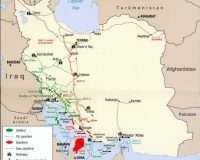
The Ukraine conflict and Western sanctions against Russia might highlight the Iranian role in the oil sector in the Eurasian chessboard, especially for the European Union interested in diversifying its energy import and decreasing the Russian grip.
In the Central Asian republic of Kazakhstan, the protests due to the price rise of the liquid natural gas caused the Government to resign and pushed Kazakh President Tokayev to declare a two-week state of emergency.
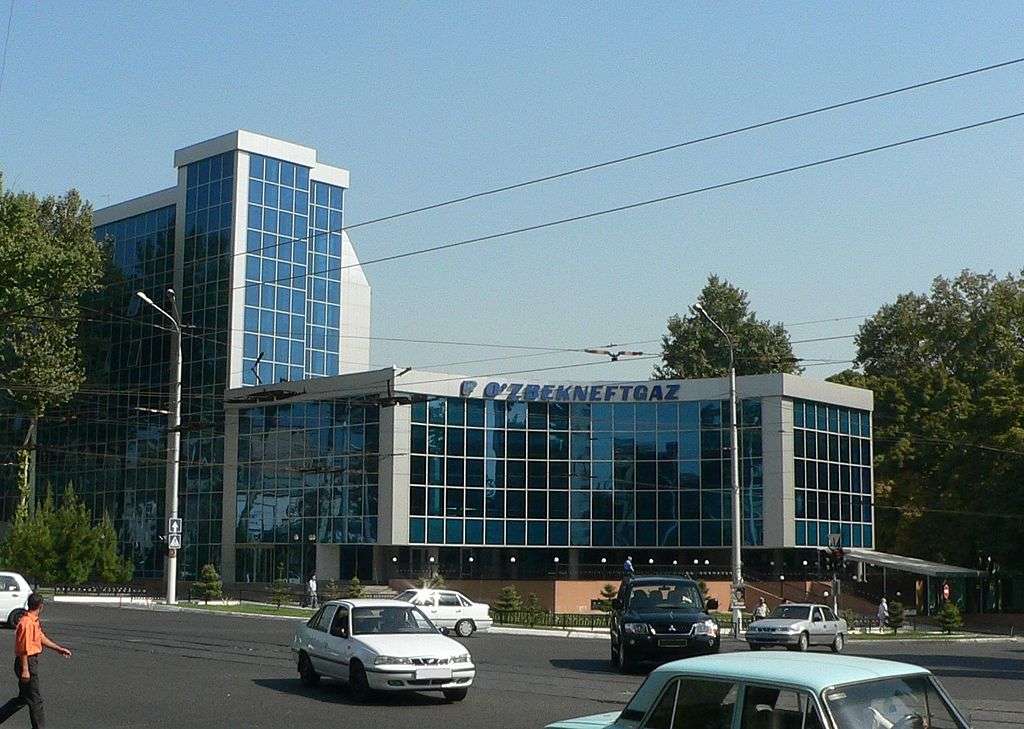
Since the Republic of Uzbekistan aims at becoming the energy epicentre of Central Asia by establishing a series of energy production infrastructure and, consequently, attracting foreign direct investments (FDIs) in the country, Germany has shown its interests as confirmed by the recent 1,1 billion euro agreement between German banks and Uzbekneftegaz to expand the capacity of the Shurtan Gas Chemical Complex.
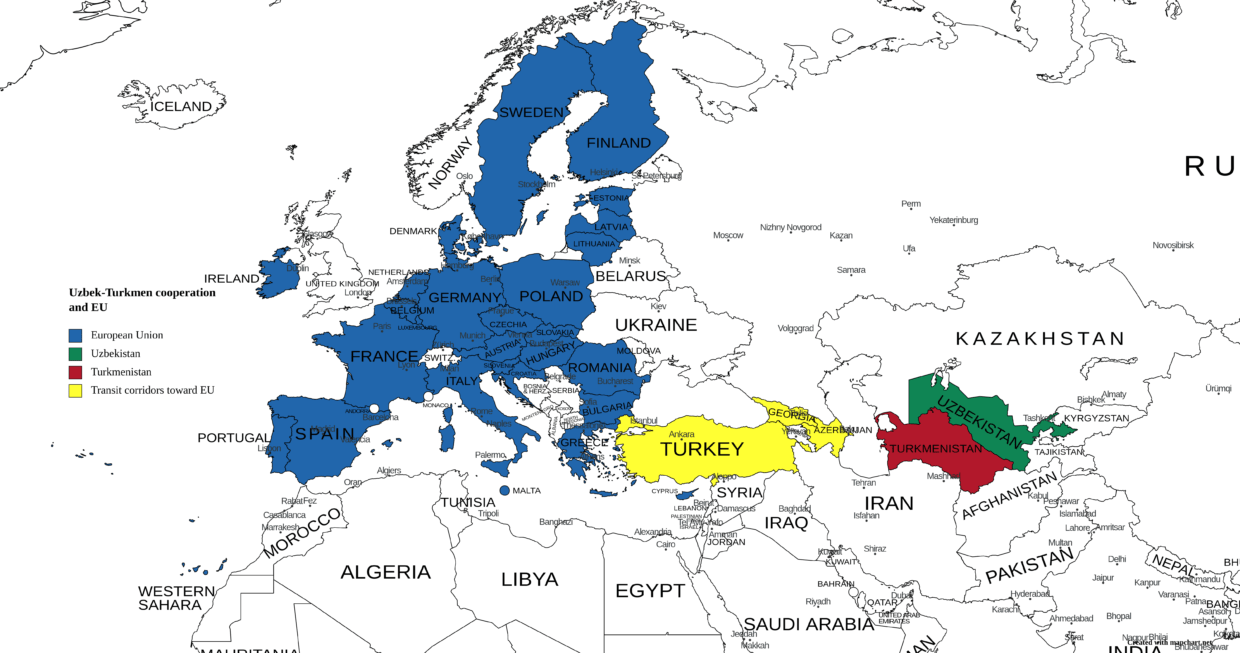
Turkmenistan and Uzbekistan are strengthening their cooperation and partnership in different fields, confirming Tashkent’s desire to exploit the Turkmen soil as a transport corridor to the Caspian Sea and the European market.
Nel novembre 2020 la Bielorussia inaugurò la nuova centrale nucleare di Astravyets, costruita in collaborazione con la Russia. Il presidente bielorusso Lukashenko, presente all’inaugurazione, dichiarò che questo per la Bielorussia rappresentava un momento storico, poiché il paese stava diventando ufficialmente una potenza nucleare. Nonostante i timori sollevati dagli Stati Baltici per la sicurezza, la centrale […]