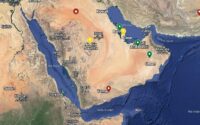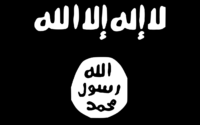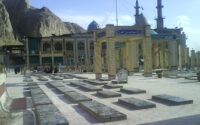
This report assesses the opening of the Iran Trade Centre in Yerevan, Armenia, on October 1st, 2024. The centre represents Tehran’s largest permanent trade facility abroad, aimed at facilitating economic engagement with the Armenian and Eurasian Economic Union (EAEU) markets.
On the evening of September 27th, 2024, Israeli airstrike killed Hezbollah leader Hassan Nasrallah, marking a significant escalation in the ongoing Israel-Hezbollah conflict and highlighting the effectiveness of Israeli intelligence operations.
In this report, we present a few practical suggestions and OSINT tools to aid analysts in navigating difficulties related to their investigation about the Middle East and the Arab world, especially when they lack fluency in the region’s primary languages such as Arabic and Persian.
This report covers the 34th conference on Islamic banking held at the Central Bank of Iran (CBI) in Tehran. The event gathered key financial leaders and government officials to discuss reforms in banking laws, the role of banks in supporting domestic production, and related economic issues.
Iranian President Masoud Pezeshkian’s first official visit to Iraq resulted in the signing of 14 cooperation agreements across various sectors, reinforcing Tehran’s strategic and economic ties with Baghdad. This report highlights Iraq’s significance in Tehran’s regional strategy and its influence on Baghdad’s political, economic, and security future.
The Iraqi military, in collaboration with Kurdish security forces, recently executed a successful operation in Kirkuk, dismantling two Islamic State hideouts. This operation highlights the ongoing threat posed by the Islamic State despite its official defeat in 2017.
In this report, we will first discuss the current situation of the Northwest Syria, then we will introduce and provide brief information about the terrorist group Hayat Tahrir al-Sham, which operates locally. In the end, we analyse the future of this region.
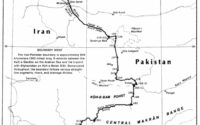
This report provides an analytical overview of Khorramshahr Port’s operations. It assesses the port’s recent performance, key developments, and future outlook.
According to Iranian and Palestinian sources, Israel allegedly assassinated Hamas’s political chief Ismail Haniyeh in Tehran, Iran. The attack occurred during Haniyeh’s attendance at the Iranian president’s inauguration. This incident may lead to significant regional escalation and impact on Middle Eastern geopolitics.
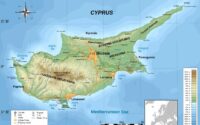
Cyprus, a historically and culturally rich island nation situated at the nexus of the Eastern Mediterranean, embodies a unique blend of European and Asian influences. This report delves into the complexities of Cyprus’s geopolitical scenario, examining the multifaceted affects of its division, international relations, and resource discoveries.
The 14th Presidential Election in Iran is over. Reformist lawmaker Masoud Pezeshkian wins Iran’s Election with 16.3 million votes. The participation of Iranian people in this election was 49.8%. His rival, Saeed Jalili, won 13.5 million votes.
The death of President Raisi and his delegation in a helicopter crash on May 19th, 2024, near the village of Uzi in East Azerbaijan, has significantly altered Iran’s political landscape. This tragic event precipitated snap presidential elections, originally scheduled for 2025, now set for June 28th, 2024
Russia is bolstering its energy relations with India through a strategic partnership involving Iran for coal exports, leveraging the International North-South Transport Corridor (INSTC) to facilitate coal exports.
In a surprising turn of events, Bahrain’s King Hamad bin Isa Al Khalifa signalled a potential thaw in relations with Iran during his recent visit to Russia. This development follows the recent rapprochement between Saudi Arabia and Iran, suggesting a broader trend of regional reconciliation.
A helicopter carrying Iranian President Ebrahim Raisi and Foreign Minister Hossein Amir Abdollahian crashed in mountainous terrain amid heavy fog while returning from a visit to Iran’s border with Azerbaijan. The incident, which places the lives of both officials at serious risk, has prompted extensive rescue efforts hindered by adverse weather conditions.
This report examines the implications of April’s meeting between Tatarstan and Turkish representatives and highlights Tatarstan’s role in foresting Moscow’ foreign relation and, simultaneously, remaining a key economic and political asset in the Russian hands.
The Kurdish issue has long overshadowed the Middle East region and reflects the region’s complex ethnic conflicts. This report aims to examine the future prospects of Kurds in Northeastern Syria after a review of its geopolitics and demographics.
The Kurdistan Region has recently witnessed a significant surge in tourism, with over 1.5 million visitors arriving in the past three months. Ambitious plans unveiled by the Kurdistan Tourism Board aim to attract 20 million tourists annually by 2030, aligning with the government’s economic diversification agenda.
Amidst the palpable shortcomings of international diplomacy, the longstanding, albeit restrained, conflict between Israel and Iran has escalated, prompting apprehension within the global community regarding a broader conflagration throughout the Middle East.
The high-level meeting in Tashkent between Central Asian and Gulf Cooperation Council (GCC) countries presents an opportunity to strengthen regional cooperation amidst developing geopolitical challenges.
The recent escalation between Iran and Israel, marked by Iran’s unprecedented direct attack on Israeli territory, presents a significant threat to regional stability in the Middle East and global security.The attack, comprising hundreds of missiles and drones, underscores the intensification of hostilities between these longstanding adversaries.
his merged document represents the culmination of months of intensive work and investigation of the project Persian Files ISSN 2975-0598, serving as an alternative guide for comprehending Iran. By offering an in-depth exploration of various facets of the nation, we aim to provide our audience with a comprehensive and insightful resource that goes beyond the conventional narratives surrounding Iran.
The conflict between Israel and Hamas in the Gaza Strip could have represented one of the main reasons that pushed the Islamic State to communicate a new approach to the Middle Eastern dynamics characterised by the Islamic Resistance Movement’s attack against Israeli cities on October 7th, 2023, and the following Tel Aviv’s military operation in the Gaza Strip.
Iraq, a country rich in oil and gas resources, faces a complex landscape that regional and international key players have affected and exploited for their strategic goals. This SWOT Analysis based on Public Available Information (PAI) aims to investigating Iraq’s current situation and informing strategic decisions.
The recent suggestion to open an Eurasian Economic Union Trading House in Iran underlined the organisation’s commitment to increase trade and cooperation with the Islamic Republic and the positive and increasing relations between Moscow and Tehran on different issues related to the Eurasian geopolitical chessboard.
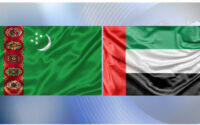
The recent meeting between representatives of Turkmenistan and the United Arab Emirates (UAE) underscored the positive trajectory of their bilateral relations, encompassing political, trade-economic, and cultural-humanitarian domains.
The India-Middle East-Europe Economic Corridor (IMEEEC) emerges as a promising pathway for economic prosperity in Cyprus, bearing implications that transcend geographical boundaries. IMEEEC confirms that the island’s strategic significance lies in its geographical location in the Eastern Mediterranean Sea, serving as a crucial hub linking Europe, Asia, and Africa.
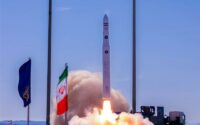
The recent satellite launches at the Imam Khomeini Space Centre in Iran’s Semnan Province serve as evidence of Tehran’s progress in its 10-year space vision plan, aimed at fulfilling both civilian and military requirements.
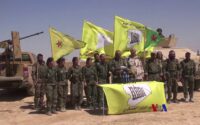
Tensions between Turkey and the Syrian Democratic Forces (SDF) have escalated following the killing of two Turkish soldiers and 17 mercenaries by SDF operations. The SDF has conducted a series of targeted military operations against Turkish military forces and mercenaries, resulting in casualties on both sides.
The escalating tensions between Pakistan and Iran, triggered by cross-border military actions and subsequent diplomatic fallout, have broader regional implications. Pakistan’s forceful response, coupled with its nuclear capabilities and geopolitical alliances, introduces complexities, impacting not only bilateral relations but also involving influential stakeholders such as China.
Dagestan State Pedagogical University (DSPU) and Mohammed bin Zayed University of Humanities in the United Arab Emirates (UAE) recently entered into a cooperative agreement, primarily focusing on student and teacher exchanges and collaborations in education. This development underscores Abu Dhabi’s foreign policy interests in the North Caucasus, especially given the Emirati embassy’s cultural initiatives in Dagestan.
Iran’s recent military strikes on Jaish al-Adl bases in Pakistan, following earlier actions in northern Iraq and Syria, have escalated tensions in the region. The strikes resulted in casualties, including the death of two children, prompting strong condemnation from Pakistan.
The United States is escalating its military involvement in the Middle East to counter the resurgence of the Islamic State. This includes a substantial deployment in Syria and Iraq. Concurrently, the Red Sea crisis involving Houthis’ attacks poses a multifaceted challenge, impacting regional stability and exacerbating geopolitical tensions. The situation is further complicated by the ongoing conflicts in Gaza and the broader dynamics of the Middle East.
The Red Sea, historically a vital trade route, is now a focal point for complex geopolitical dynamics driven by major global powers and regional actors. China’s Belt & Road Initiative (BRI) has spurred significant infrastructure investments and military presence, amplifying competition with the United States and other stakeholders
The trilateral cooperation in the energy field between Turkmenistan, Iran, and Iraq might significantly impact the Eurasian geopolitical chessboard and transform these countries as natural gas exporters and alternative key actors in the Middle East and Central Asia.
The US and British militaries conducted a significant retaliatory strike against Houthi forces in Yemen, targeting over 60 sites. President Biden emphasised that these strikes were in response to Houthi attacks on international maritime vessels, posing threats to personnel, civilian mariners, and trade and increasing the regional geopolitical risk.
The terrorist attack organised by the Islamic State in the Iranian city of Kerman highlighted the terrorist group’s resurgence and increasing threat in the Middle East, especially against the Shia community.
Two bomb explosions near the tomb of Iranian General Qasem Soleimani have resulted in at least 103 fatalities and numerous injuries in Kerman. The incident occurred on the fourth anniversary of Soleimani’s US drone strike assassination.
Despite its recognition, Diyanet has been embroiled in scandals in Europe, particularly related to illegal intelligence activities and financial transactions. Its active involvement in the post-Soviet space, notably in Central Asia and Russia, reflects its role as a tool of Turkish “soft power” and an avenue for cultural and humanitarian dialogue.
The recent signing of the Free Trade Agreement (FTA) between the Eurasian Economic Union (EAEU) and the Islamic Republic of Iran represents a significant milestone in Iran’s regional economic integration. Tehran’s substantial concessions in regulatory and tariff domains, coupled with its imminent BRICS membership, underscore a strategic move towards deeper engagement with Eurasian markets.
The Gulf of Aden and Red Sea maritime routes face heightened security concerns because of Houthi rebel attacks to support the Palestinian cause amidst Israel’s actions in the Gaza Strip. Despite the US Navy’s intervention and international commitments, major shipping companies are hesitant to resume operations, diverting routes or applying surcharges. The situation is dynamic, with varying risk assessments among companies.
In this paper published in Geopolitical Report ISSN 2532-845X Vol. 4 Year 2023, the author Silvia Boltuc offer a concise overview of the principal ethnic minorities existing in contemporary Iran, shedding light on their religious backgrounds and historical trajectories.
The recent telephonic exchange between Iranian President Ibrahim Raisi and Egyptian President Abdel Fattah al-Sisi marks a significant moment that underscores the potential emergence of a new chapter in the relations between Iran and Egypt.
Since 1979, Iran has been the primary advocate of the Palestinian cause. This alignment originates from an ideological convergence between the principles of the Iranian Revolution and the Palestinian struggle for freedom. Starting from current events, this report aims to explore the reasons behind Tehran’s unwavering support.
In early December, Ashgabat hosted the Intergovernmental Turkmen-Turkish Commission on Economic Cooperation with Turkish delegates, readdressing the potential gas delivery from Turkmenistan to Turkey through Iran. Iran-Turkmenistan’s centuries-old relations provide the basis for a long-lasting and profitable collaboration between these two countries.
Putin’s visit to Abu Dhabi and Riyadh confirmed Russia’s strategy in the Arab-Muslim world aimed at enhancing economic partnership in energy, logistics, and trade and attracting Gulf monarchies’ investors in Russian infrastructural projects.
The prospect of enhanced Iran-Afghanistan cooperation holds a dual promise: not only does it offer a pathway to augment trade and boost revenues for two nations grappling with economic challenges and Western sanctions, but it also serves as a strategic move to counterbalance the escalating economic influence of China within the Afghan market.
Since the strategic role that the International North-South Transport Corridor (INSTC) plays in the Eurasian geopolitical chessboard, Iran has adopted a strategy aimed at exploiting the benefit of this logistic project and promoting national companies such as the IRISL Group.
Both Saudi Arabia and Qatar have demonstrated their interests in investing in Uzbekistan’s economy and infrastructural projects in different fields. Doha and Riyadh’s investments in the Uzbek market confirms how Central Asia has become attractive for Gulf Arab monarchies since the region plays a strategic role in connecting Europe and Asia.
SpecialEurasia has been actively involved in the geopolitical analysis and consulting about the Middle East, aiding the decision-making processes of both private entities and public institutions. Indeed, recently, our team met with delegates from the Arab League, including the Ambassadors of Oman and Iraq, to discuss regional dynamics.
The upcoming visit to Russia of Qatar Prime Minister accentuates Doha’s role among the Arab and Muslim countries to promote the end of the conflict in the Gaza Strip and Moscow’s desire to become more involved in the Middle Eastern dynamics. Since the Russian Federation has a significant presence of Muslim people in the country and the Kremlin has adopted a foreign policy aimed at strengthening relations and economic cooperation with the Arab-Muslim world, the cooperation with Qatar and other Gulf monarchies might represent an opportunity for Moscow’s strategy in the region.
The construction of the Persian Gulf Bridge between Qeshm and the Iranian mainland stands out as a pivotal project showcasing the growing collaboration between Tehran and Beijing. This on-site report aims to uncover the current status of exchanges between China and Iran, focusing on the potential advantages and outcomes linked to the construction of the Persian Gulf bridge.
This report aims to provide a historical background on Mojahedin-e Khalq’s activities, supported by a dialogue with Javad Hasheminejad, the Secretary General of Habilian Association and the son of a political figure killed by MEK because of his leading role in the Islamic Revolution in Mashhad in the early ‘80s.
The Anzali Industrial-Trade Zone, situated in the northern region of Iran, is poised to emerge as a pivotal logistic and industrial nexus, facilitating seamless connections between the Iranian market and neighbouring countries, as well as members of the Eurasian Economic Union, the Commonwealth of Independent States, and the Shanghai Cooperation Organisation.
SpecialEurasia ha pubblicato Geopolitical Report Special Issue 1/2023 ISSN 2532-845X dal titolo “La Strategia Marittima Iraniana nel Golfo Persico tra Esigenze Nazionali e Tattiche Non Convenzionali” il cui obiettivo è quello di analizzare il comparto marittimo militare iraniano e le implicazioni geopolitiche della strategia di Teheran nell’area del Golfo.
In the wake of meeting between Iran’s First Vice President, Mohammad Mokhber, and the Prime Minister of Kyrgyzstan, Akylbek Japarov, this analysis delves into the evolving landscape of Central Asia-Iran relations. The discussion, which encompassed the construction of a power plant, a refinery, and a prospective railway corridor connecting the two nations, underscores the collaborative prospects emerging within the geopolitical scenario of the region.
This report provides a high-level overview of the Israeli-Palestinian conflict from the perspectives of important local and global stakeholders. It also shows that the challenge to hegemony in Eurasia is essential to making sense of the war.
The diplomatic meeting held in Tehran stressed that Iran has emerged as a key actor in supporting the peace process regarding confrontation over Nagorno-Karabakh in the South Caucasus. It also indicated a possible shift of geopoltical influence from Europe towards East regarding the region.
This report underlines that Syria, in collaboration with its allies, Russia and Iran, must address this persistent threat to prevent further destabilisation and potential spillover into neighbouring Iraq. Additionally, a comprehensive strategy that combines economic recovery, improved security, and counter-radicalisation efforts is necessary to mitigate the ongoing influence of the Islamic State in Syria.
This SWOT Analysis might help to assess the impact of Israel’s military operation in Gaza to defeat Hamas and the Palestinian Islamic Jihad as well as future implications for Tel Aviv’s domestic and foreign policy and the geopolitics of the Middle East region considering different scenarios and regional actors.
Azerbaijan-Iran recent bilateral agreement to initiate a collaborative rail project signifies a pivotal development in the geopolitical landscape of the South Caucasus. This strategic infrastructure venture holds the potential to bring about a measure of stability to the region.
This report aims to examine potential scenarios, each bearing relevance to Tel Aviv’s prospective strategy in countering the threat posed by Hamas and Islamic Jihad, securing the release of hostages, and effectively mitigating any forthcoming dangers emanating from Hezbollah.
The Hamas military offensive against Israel underscored a critical lapse in Tel Aviv’s intelligence infrastructure and exposed vulnerabilities, thereby heightening the regional geopolitical risk.
The recent meeting between Uzbekistan and Qatar’s representatives in Doha underscores Tashkent’s policy shift towards broadening its trade and commercial partnerships and Qatar’s strategy to enhance its economic presence in Central Asia.
The recent Azerbaijani military offensive against Nagorno-Karabakh, culminating in the capitulation of Stepanakert, coupled with the subsequent meeting between Ilham Aliyev and Recep Tayyip Erdogan in Nakhchivan, has engendered heightened concerns within the international community, notably within Iran.
The recent arrest of individuals implicated in orchestrating a series of violent assaults within the borders of the Islamic Republic of Iran underscores the profound and persistent terrorist menace facing the national Shi’a community.
The strategic positioning of the Khorasan region is pivotal for the facilitation of trade and cultural interchange with adjacent nations. In this regard, implementing Special Economic Zones (SEZs) might strengthen the relations between Afghanistan and Iran.
The collaborative efforts in the tourism sector and Chinese investments in Iranian free economic zones and infrastructure are fortifying the economic ties between Beijing and Tehran
The recent meeting between the Iranian ambassador in Rome and the managers of selected Italian companies underscores a significant potential for economic cooperation between the two parties. Tehran’s keen interest in attracting foreign investors and companies, particularly those from Italy, is palpable.
Iran and Saudi Arabia have taken significant steps towards improving their diplomatic relations by appointing respective ambassadors to Tehran and Riyadh. This development marks a historic milestone in the restoration of relations between the two countries.
The conference held in Baku on the Jewish community of the Caucasus underscored the positive state of relations between Azerbaijan and Israel. Notably, it shed light on Baku’s strategic use of cultural diplomacy to foster stronger ties with Tel Aviv and garner support from the global Jewish community.
The complex landscape of Iran’s struggle with Kurdish nationalism unfolds as the Iranian leadership confronts secessionist groups along its borders. Amidst international interests and internal challenges, the fight against terrorism, potential destabilisation, and regional alliances shape Tehran’s multifaceted approach to counter these issues.
The progression of Saudi Arabia’s nuclear energy initiative has prompted speculation within the international community. As the world’s foremost petroleum producer, the nation’s decision to engage with nuclear power facilities may seem unanticipated.
In an ever-evolving geopolitical landscape, the perception of a waning United States influence in the Middle East has gained momentum. This shift has sparked debates about the extent of the US disengagement and the emerging roles of other global players, particularly China.
Iran’s membership in BRICS could shape novel prospects for Tehran’s foreign policy and economic strategy, solidifying the growing geopolitical paradigm of a multipolar world, where nations like Russia, China, Iran, and India endeavor to provide a counterbalance to Western influence.
Turkey-Iran relations have always been discontinuous, characterised by cooperation on the diplomatic level, alternating with opposite geopolitical needs and foreign strategies. Nowadays, especially in the Middle East and the Caucasus, Pan-Turkism and strategic needs drive Ankara-Tehran relations.
The developing geopolitical dynamics in the Middle East, particularly concerning Iran’ strategy and cooperation with Syria in the defence and military weapons sectors, have sparked significant shifts on the regional chessboard.
Turkey’s engagement with the Association of Southeast Asian Nations (ASEAN) has evolved into a strategic endeavour, marked by Ankara’s quest for deeper economic, diplomatic, and cultural connections.
In a strategic move amid shifting geopolitical dynamics, Kyrgyzstan and Iran are attempting to expand their trade and economic ties, driven by Bishkek’s pursuit of alternative transit routes and access to Iranian oil products, and Tehran’s strategic outreach towards the Central Asian republics considering Western sanctions and recent developments in the Eurasian region.
The inaugural “Central Asia + GCC” Summit held in Saudi Arabia marks a significant milestone in fostering interregional cooperation between the Gulf countries and Central Asia.
Iran’s admittance to the Shanghai Cooperation Organization (SCO) as a full member is a noteworthy step that has greatly impacted the geopolitical arena of the region.
Iran’s Foreign Minister, Hossein Amir-Abdollahian, recently embarked on a three-day diplomatic tour of key Arab nations in the Persian Gulf. With a focus on economic collaboration, his visit to Qatar, the United Arab Emirates, Kuwait, and Oman marked a significant step towards enhancing relations with Iran’s southern Arab neighbours.
The recent visit of the North Caucasian Federal University (NCFU) delegation to Iraq marked a significant step towards fostering cooperation between the Russian North Caucasus and the Middle Eastern country.
Qatar’s recent diplomatic foray into Central Asia by the Emir Sheikh Tamim bin Hamad Al Thani marked a significant step in the nation’s regional foreign policy.
The recent Iran-Turkmenistan deal on natural gas export emerges as a pivotal agreement, poised to both fortify Tehran’s energy strategy and bolster Ashgabat’s endeavours towards economic diversification by expanding its trade partners.
On May 30th, 2023, SpecialEurasia Managing Director, Silvia Boltuc, attended the event “Bahrain yesterday and today” organised by Laila Khrais on behalf of the Assadakah and Welcome Association Italy.
The KazanForum 2023 and Zelensky’s visit to Jeddah during the Arab League summit underlined how strategic is the Muslim world for Russia and Ukraine.
In this paper published in Geopolitical Report ISSN 2532-845X Vol. 2 Year 2023, the author examined the current status of Tehran-Tbilisi relations and assess possible future geopolitical scenarios concerning these two actors and the regional Caucasian dynamics.
The KazanForum 2023 and the “China-Central Asia” Summit definitely emphasise Kremlin and Beijing’s strategies in Eurasia and the Islamic world’s strategic areas in time of confrontation with the West.
In this paper published in Geopolitical Report ISSN 2532-845X Vol. 2 Year 2023, the author investigated the Iranian position on the second Karabakh war and Tehran’s attempts to stabilise the region and promote its economic and political partnerships.
SpecialEurasia, in partnership with MInter Group SRL, Notizie Geopolitiche, and Mondo Internazionale ASP, published Geopolitical Report ISSN 2532-845X Volume 2 Year 2023 focused on Iranian strategy in the South Caucasus.
SpecialEurasia ha incontrato S.E. Mohammad Reza Sabouri, Ambasciatore dell’Iran in Italia, per discutere le dinamiche attuali interne e in politica estera della Repubblica Islamica dell’Iran.
Iraq has the world’s third-largest proven conventional petroleum reserves after Saudi Arabia and Iran. Recent developments in the oil and gas field suggest that the Middle Eastern country might be one of the future European leading suppliers.
The upcoming Turkish elections might affect Ankara-Tehran relations if the opposition leader Kemal Kilicdaroglu will defeat the president Recep Tayyip Erdogan and, thus, change domestic and foreign policies.
Kazakhstan’s desire to increase exports to Iran might hugely impact geopolitical dynamics in Eurasia, considering Astana’s desire to diversify and enhance its trade and economic partners to decrease Russia and China’s influence and Tehran’s necessity to overcome Western sanctions.
CENTCOM’s killing of a senior Islamic State Syria leader stressed the US commitment to fighting the terrorist threats and emphasised the persistent instability in the Middle East related to jihadist and terrorist activities.
Oil transactions between Saudi Arabia and China could be denominated in the Chinese yuan, a significant development in the evolving international economic and geopolitical landscape. If this move happens, it could have far-reaching implications for the US dollar’s status as the dominant global currency, as well as for US-Saudi relations and broader regional dynamics in the Middle East.
The recent ‘diplomatic crisis’ between Iran and Azerbaijan, which has involved the Iranian diplomatic staff in Baku, underlined the potential political and military escalation between the countries, whose consequences might hugely influence the security in the South Caucasus.
The South Caucasus and the Middle East have long been at the epicentre of geopolitical, ideological and ethnic tensions. While the Israel-Iran hybrid war is experiencing a new momentum, ongoing tensions between Armenia and Azerbaijan might open a second front in which both Tel Aviv and Tehran might be involved.
Iran has been making great strides towards bolstering its economy and proving itself an attractive investment destination. The key factors driving the country’s economic growth are the Iran Special Economic Zones and the Iran Trade-Industrial Free Zones.