The Eurasian Development Bank’s first macroeconomic study on the Persian Gulf states highlights a sharp expansion in trade and investment ties between the Gulf Arab monarchies and Central Asian republics over the 2020–2024 period.
This report assesses the current scale, constraints and strategic implications of commerce between India and the Central Asian states, based on the recent findings published by the Eurasian Development Bank and India Exim Bank.
This report analyses the current state and plans for Russia-Kazakhstan economic cooperation, as discussed at the 2025 St. Petersburg International Economic Forum’s business dialogue.
This report examines Uzbekistan’s economic performance in 2024, focusing on trade dynamics, sectoral developments, and key geopolitical considerations. It highlights the country’s efforts to modernise its economy under President Shavkat Mirziyoyev’s leadership, supported by structural reforms and strategic international partnerships.
This report primarily aims to evaluate the growth of trade between Iran and the Eurasian Economic Union (EAEU), particularly focusing on non-oil exports.
This report assesses the opening of the Iran Trade Centre in Yerevan, Armenia, on October 1st, 2024. The centre represents Tehran’s largest permanent trade facility abroad, aimed at facilitating economic engagement with the Armenian and Eurasian Economic Union (EAEU) markets.
The report analyses recent economic and security developments between Tajikistan and Pakistan, highlighting the implications of their expanding bilateral relations.
This report provides an analytical overview of Khorramshahr Port’s operations. It assesses the port’s recent performance, key developments, and future outlook.
In our latest episode of the Geopolitical Report Podcast, we delved into the burgeoning economic and trade cooperation between Uzbekistan and the People’s Republic of China and its repercussions on the geopolitical landscape of Central Asia.

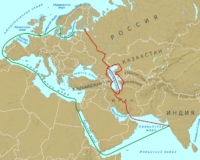
Recent developments show significant shifts in transportation and trade routes linking Europe, Asia, and the Persian Gulf. Russia’s investment in transport corridors through Iran and the Arctic, alongside developments in the Turkmenbashi port, signifies a strategic move to reshape regional trade dynamics.
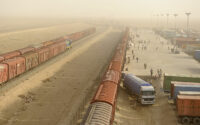
The inauguration of the Hairatan-Mazar-e-Sharif railway line, celebrated at the Uzbekistan-Afghanistan border, represents a significant advancement in regional infrastructure. However, concerns persist regarding the Taliban’s ability to ensure stability amidst heightened security threats since their takeover in August 2021.
The prospect of enhanced Iran-Afghanistan cooperation holds a dual promise: not only does it offer a pathway to augment trade and boost revenues for two nations grappling with economic challenges and Western sanctions, but it also serves as a strategic move to counterbalance the escalating economic influence of China within the Afghan market.
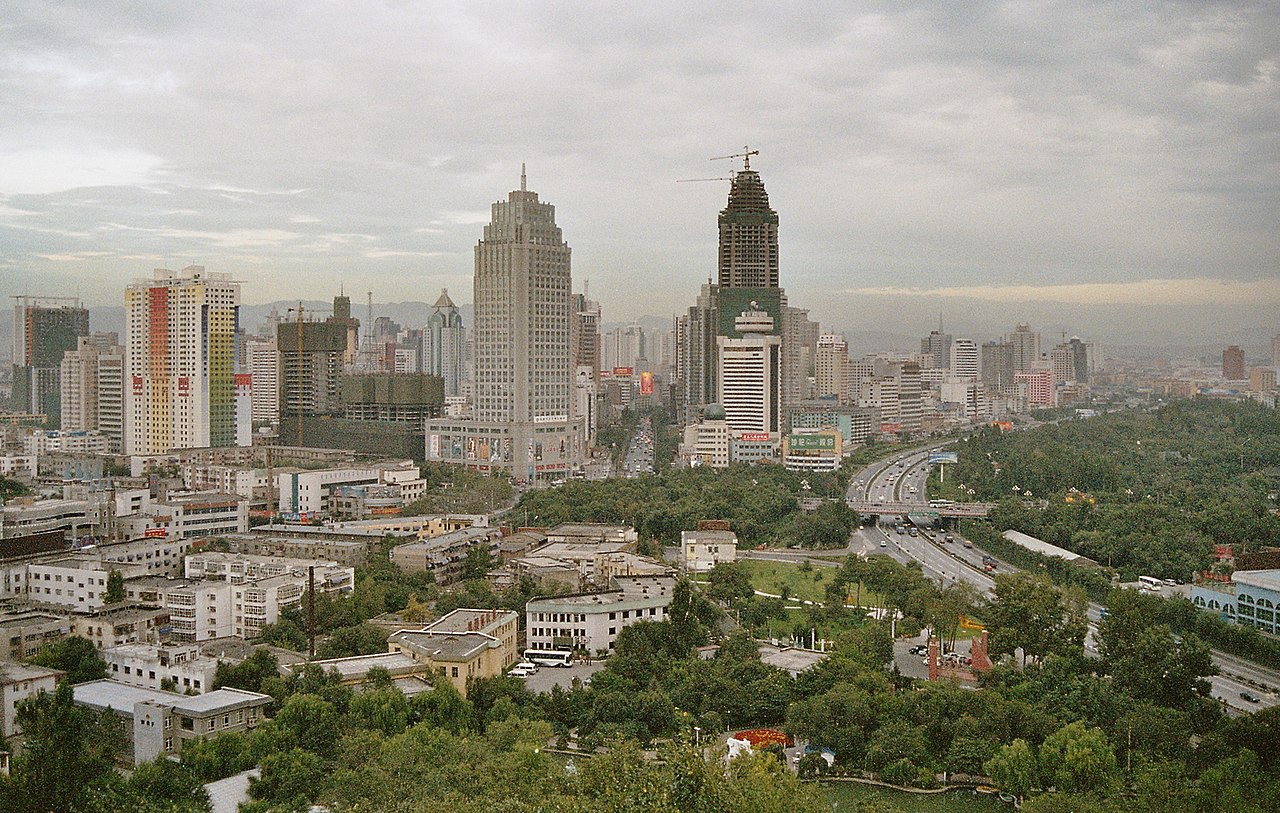
The recent bilateral meeting between Kazakh and Xinjiang authorities substantiated the collaborative commitment between Astana and Beijing, highlighting the pivotal role that the Xinjiang Uyghur Autonomous Region (XUAR) may assume in bolstering regional connectivity and facilitating the realisation of the Belt and Road Initiative.
In a strategic move amid shifting geopolitical dynamics, Kyrgyzstan and Iran are attempting to expand their trade and economic ties, driven by Bishkek’s pursuit of alternative transit routes and access to Iranian oil products, and Tehran’s strategic outreach towards the Central Asian republics considering Western sanctions and recent developments in the Eurasian region.
SpecialEurasia discussed with Alexandr Sharov, General Director of the transport company LLC Neftekhimtrans, Group of companies Rusiranexpo, the current geopolitical significance of the INSTC and possible future developments and impact in the Eurasian strategic chessboard.
Iran and Dagestan have increased their trade exchange through the Makhachkala Commercial Port, where the Kremlin has invested financial funds to transform this infrastructure into a logistic hub in the Caspian Sea, which might undermine the role of the close port of Baku in Azerbaijan.
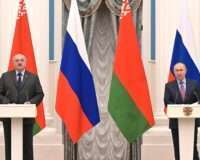
Due to the Ukraine conflict and the following Western sanctions, Russia and Belarus have increased their economic and trade cooperation by increasing joint projects in different fields.
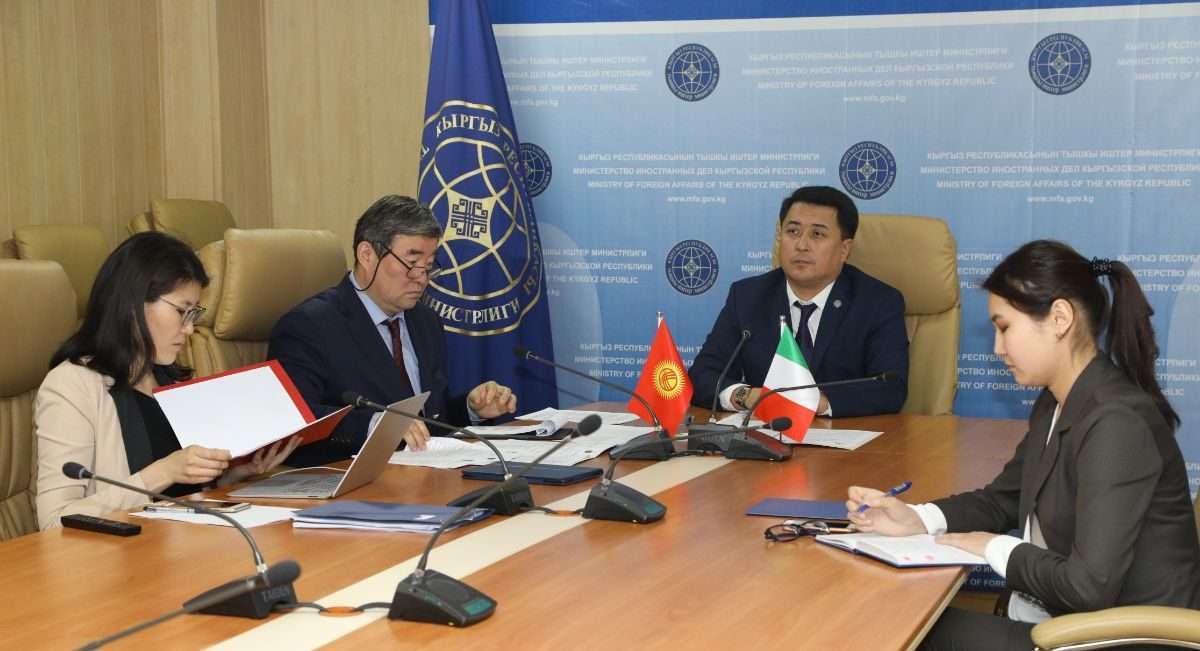
Kyrgyzstan and Italy recently celebrated the 30th anniversary of establishing diplomatic relations. Recent official meetings between Italian and Kyrgyz political and business representatives underlined Italy’s interest in deepening cooperation with central Asian markets.
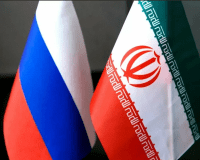
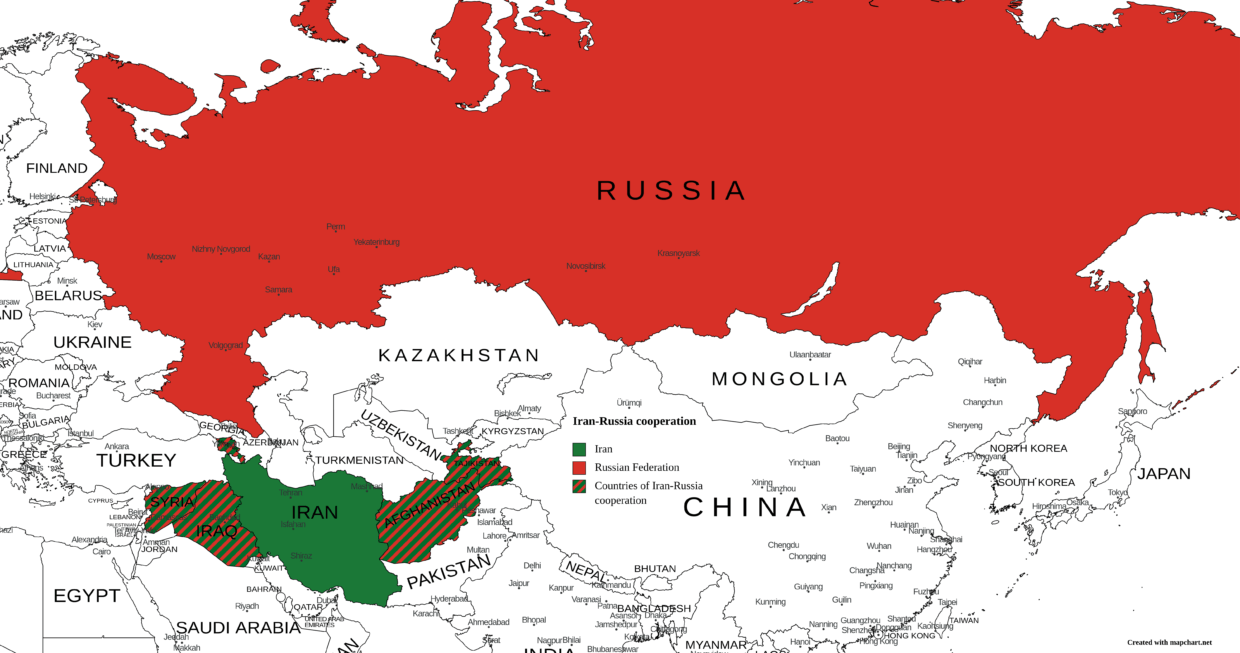
While the Western world is increasingly moving away from Russian exports, Moscow and Tehran are taking measures to intensify trade and economic cooperation, as evidenced by intensive negotiations between the parties.
Russia and Azerbaijan discussed the “Green Corridor” project, which might become an alternative trade route to counter Western sanctions and strengthen Moscow-Baku relations in the Caucasus and the Caspian Sea region.
The opening of the first Chinese consulate in Iran, in the port city of Bandar Abbas, will boost Beijing’s investments on the Iranian coast of the Gulf of Oman. Beijing aims to establish several Chinese companies in the Makran region and connect Iranian ports to its Belt and Road Initiative.
Since Kazakhstan and Bashkortostan have increased their economic partnership and trade volume, Ufa might significantly promote and strengthen Moscow-Nursultan relations.
The meeting between the Iranian Foreign Affairs Minister Amir Abdollahian and his Russian counterpart Sergey Lavrov highlights that Iran seeks to strengthen its cooperation with Russia to support its new foreign policy based on regional cooperation and commercial trade.
Tehran’s attempt to become a member of the Eurasian Economic Union aims to enhance its trade partners and contrast the economic problems caused by the U.S. sanctions.