On 8 July 2025, Iranian Foreign Minister Seyed Abbas Araghchi met with Saudi Defence Minister Prince Khalid bin Salman in what appears to be the first senior bilateral engagement since the cessation of hostilities between Israel and Iran on 24 June.
This report examines Saudi Arabia’s recent $20 million investment in Tajikistan’s education infrastructure, which is part of a larger development program totalling $325 million.
The recent regional developments, particularly surrounding President Donald Trump’s diplomatic tour of the Gulf, have deepened existing geopolitical fault lines in the Middle East. This report assesses the impact of these dynamics on the Islamic Republic of Iran.
The recent Azerbaijani-Saudi business forum underlined Baku’s attempt to diversify its economy and Riyadh’s desire to increasing its investment and economic presence in Azerbaijan and, therefore, in the South Caucasus region.
Putin’s visit to Abu Dhabi and Riyadh confirmed Russia’s strategy in the Arab-Muslim world aimed at enhancing economic partnership in energy, logistics, and trade and attracting Gulf monarchies’ investors in Russian infrastructural projects.

Both Saudi Arabia and Qatar have demonstrated their interests in investing in Uzbekistan’s economy and infrastructural projects in different fields. Doha and Riyadh’s investments in the Uzbek market confirms how Central Asia has become attractive for Gulf Arab monarchies since the region plays a strategic role in connecting Europe and Asia.
Iran and Saudi Arabia have taken significant steps towards improving their diplomatic relations by appointing respective ambassadors to Tehran and Riyadh. This development marks a historic milestone in the restoration of relations between the two countries.
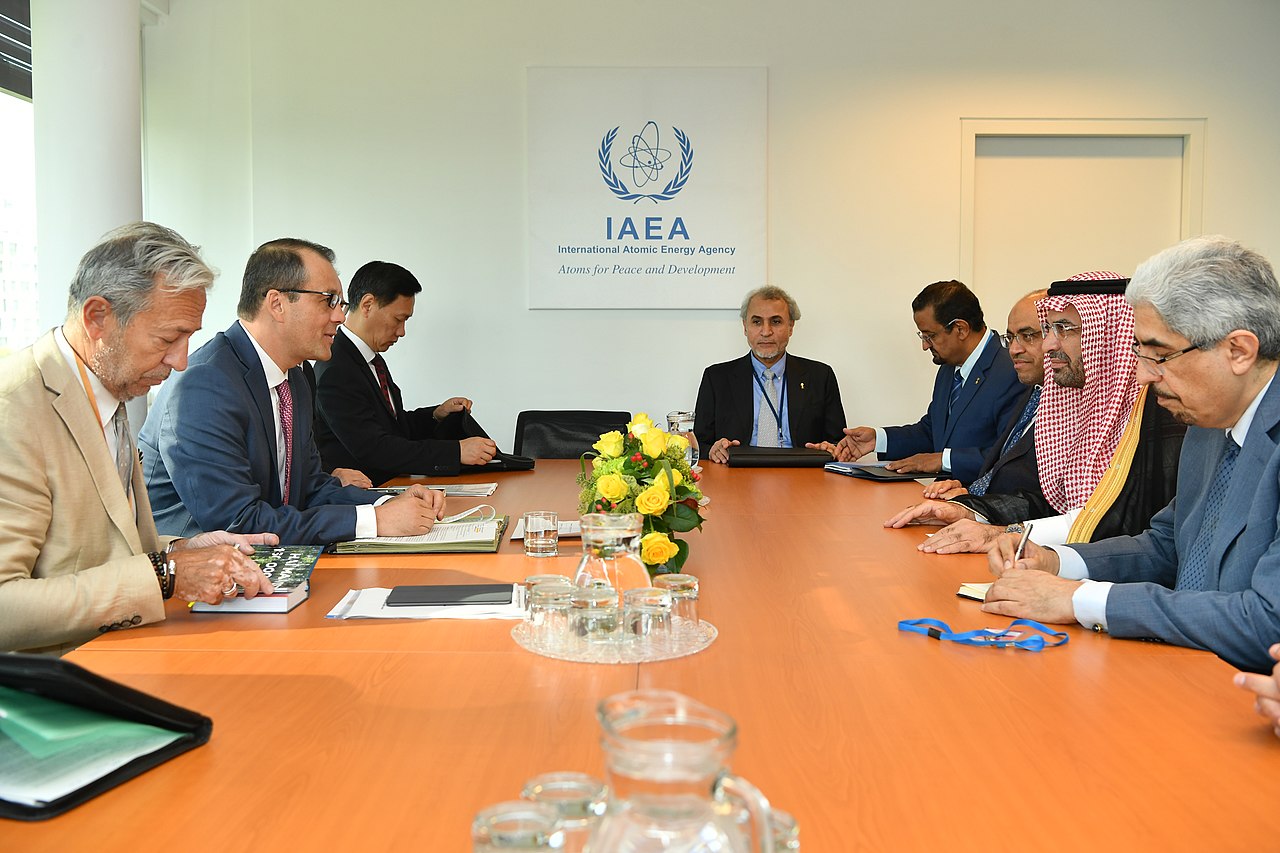
The progression of Saudi Arabia’s nuclear energy initiative has prompted speculation within the international community. As the world’s foremost petroleum producer, the nation’s decision to engage with nuclear power facilities may seem unanticipated.
Oil transactions between Saudi Arabia and China could be denominated in the Chinese yuan, a significant development in the evolving international economic and geopolitical landscape. If this move happens, it could have far-reaching implications for the US dollar’s status as the dominant global currency, as well as for US-Saudi relations and broader regional dynamics in the Middle East.
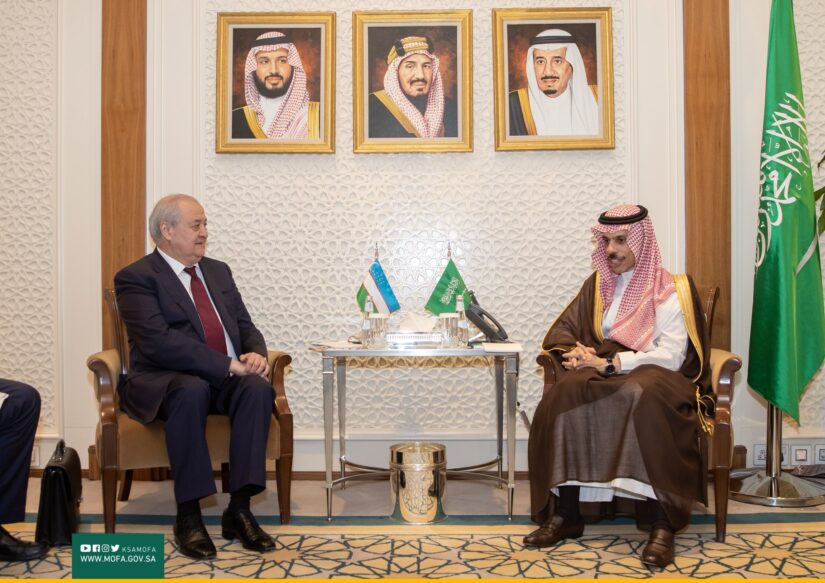
Recent negotiations between Saudi Arabia and Uzbekistan on investment cooperation confirmed Riyadh’s strategy in Central Asia based on financial support to local governments’ infrastructural projects and humanitarian aid.
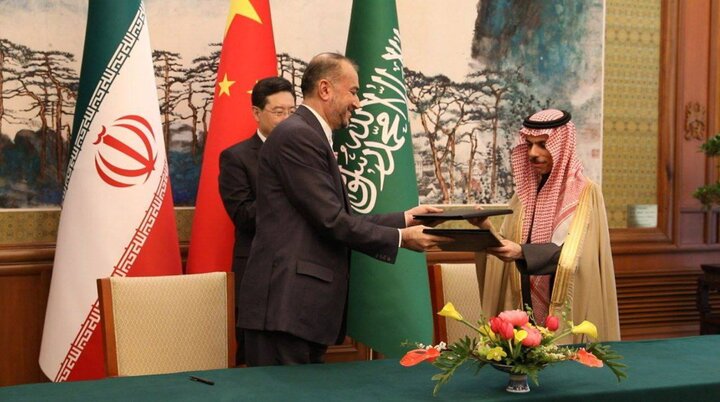
Iran and Saudi Arabia, longtime regional rivals, have agreed to resume friendly diplomatic relations and reopen their embassies after Chinese-led negotiations in Beijing. The two governments announced the agreement via their respective state media agencies and China’s Xinhua News Agency.
Chinese President Xi Jinping is paying an official visit to Saudi Arabia to affirm Beijing’s influence in the Gulf and contrast the U.S. presence in the region.
The forthcoming first Arab – China summit scheduled in Saudi Arabia confirms Beijing’s interests in the Gulf Arab monarchies and the Middle East and Riyadh’s strategy of diversifying its political and commercial partners and decreasing its dependence on the United States.
The recent phone conversation between the President of Russia and the Crown Prince of Saudi Arabia might be interpreted as the Kremlin’s move to counter the recent U.S. President Joe Biden’s official visit to Riyadh.
Recent events in the Gulf underlined that while Saudi Arabia is focusing on the al-Mahrah province on the border with Oman to ease its access to the Indian Ocean, the UAE is getting hold of the essential Yemenite islands, with the most relevant being Socotra.
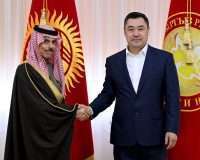
Sauri Arabia and Kyrgyzstan discussed investments partnership confirming Riyadh’s desire to improve its economic presence in the Kyrgyz market and Central Asia and Bishkek’s necessity to diversify its financial partners and foreign investors.
The trial of Habib Farajollah Chaab, Iranian-Swedish ringleader of Al-Ahwaziah, revealed that Saudi Arabia financially supported the Arab separatist movement, which carried out attacks in Iran and several European countries.
Saudi Arabia wants to expand its influence and economic presence in Kazakhstan because the Central Asian republic has a considerable role in the Eurasian geopolitical chessboard as a transit corridor influenced by different trade and logistic projects. The Saudi interests in Kazakhstan underline Riyadh’s attempt of becoming more present in Central Asia and countering the […]
Saudi Arabia may refuse to cooperate with the Russian Federation in terms of coordinating oil production volumes due to Covid-2019 which is demonstrating how a virus might impact not only the national security but also the economy and the international trade market with serious repercussion in the case of Russia because the country strongly depends on energy export.