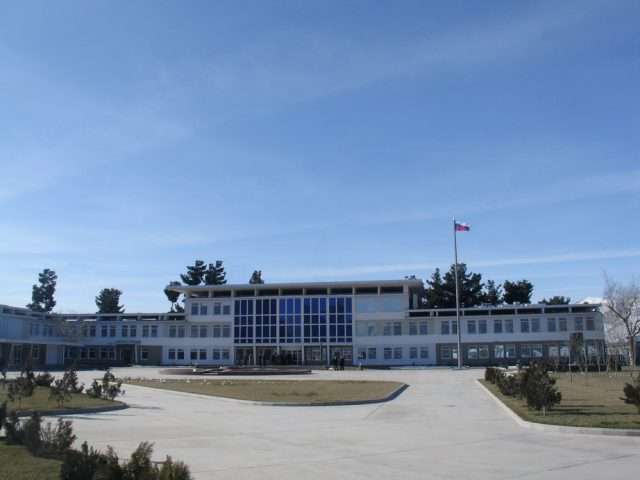
The Russian ambassador in Afghanistan, Dmitry Zhirnov, confirmed the Kremlin’s interests in improving its diplomatic and commercial relations with Kabul and supporting the national peace process without any forms of foreign interference. Zhirnov’s words underlined the Russian desire to play a strategic role in Afghanistan and counter the United States and Chinese presence.
During the interview with the Afghan TV channel ‘Shamshad TV’, Zhirnov stated that the peace process inside the country will be possible only without the presence of a foreign army. The Russian government, according to the Russian ambassador’s statement, instead of supporting any particular Afghan political force, prefers to see Afghanistan as an independent country with an independent, free and capable government.
Zhirnov confirmed that Moscow views the Taliban as part of the Afghan society, people and civil war and for this reason, it is impossible to discuss any kind of peace process without considering them. The Russian ambassador underlined the Kremlin’s goal to enhance the partnership with Afghanistan, especially in the fields of counter-terrorism and fighting corruption.
On April 29th, 2020, the Kremlin appointed Dmitry Zhirnov as the new Russian ambassador in Afghanistan. From 2016 to 2019 Zhirnov worked as Minister-Counselor of the Russian Embassy in the USA. It should also be emphasised the fact that Zhirnov speaks Chinese and English.
Why does this matter? Because the Russian Federation is adopting the strategy of supporting the Afghan peace process and economic development with the purpose of becoming one of the main foreign partners and undermine the US foreign policy, particularly after Trump Administration signed a peace deal with the Taliban (Washington signed a deal with the Taliban, but this is not the end of the war.).
Furthermore, following the steps of the past Soviet strategy of controlling a strategic area in the Eurasian region such as Afghanistan, the Russian Federation might contrast the Chinese economic presence since Beijing launched the Belt and Road Initiative and has invested a huge amount of money in the Afghan infrastructure projects.
Author: Giuliano Bifolchi
