This report analyses at the situation one year after the Hamas attacks on Israel, which occurred on October 7th, 2023. The report highlights the continuous risks in the area, such as the role of Hezbollah, Iran’s engagement, and the emergence of terrorist organisations like the Islamic State.
In an interview conducted on Thursday, July 7th, 2024, Giuliano Bifolchi, SpecialEurasia Research Manager, shared his insights with Emanuele Landi of Cusano News7 concerning the escalating geopolitical tensions in the Middle East, focusing primarily on the Israeli-Palestinian conflict and the potential for increased hostilities in Lebanon.
The conflict between Israel and Hamas in the Gaza Strip could have represented one of the main reasons that pushed the Islamic State to communicate a new approach to the Middle Eastern dynamics characterised by the Islamic Resistance Movement’s attack against Israeli cities on October 7th, 2023, and the following Tel Aviv’s military operation in the Gaza Strip.
In questo nuovo episodio Giuliano Bifolchi, Research Manager di SpecialEurasia, analizza gli eventi e le dinamiche geopolitiche inerenti al conflitto israelo-palestinese e alla Striscia di Gaza insieme a Matteo Meloni, giornalista e analista geopolitico specializzato in Medio Oriente direttore responsabile di TocToc Sardegna, e Silvia Boltuc, Managing Director di SpecialEurasia.
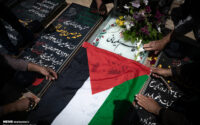
Since 1979, Iran has been the primary advocate of the Palestinian cause. This alignment originates from an ideological convergence between the principles of the Iranian Revolution and the Palestinian struggle for freedom. Starting from current events, this report aims to explore the reasons behind Tehran’s unwavering support.
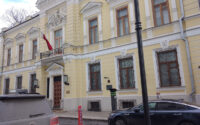
The upcoming visit to Russia of Qatar Prime Minister accentuates Doha’s role among the Arab and Muslim countries to promote the end of the conflict in the Gaza Strip and Moscow’s desire to become more involved in the Middle Eastern dynamics. Since the Russian Federation has a significant presence of Muslim people in the country and the Kremlin has adopted a foreign policy aimed at strengthening relations and economic cooperation with the Arab-Muslim world, the cooperation with Qatar and other Gulf monarchies might represent an opportunity for Moscow’s strategy in the region.
This report provides a high-level overview of the Israeli-Palestinian conflict from the perspectives of important local and global stakeholders. It also shows that the challenge to hegemony in Eurasia is essential to making sense of the war.
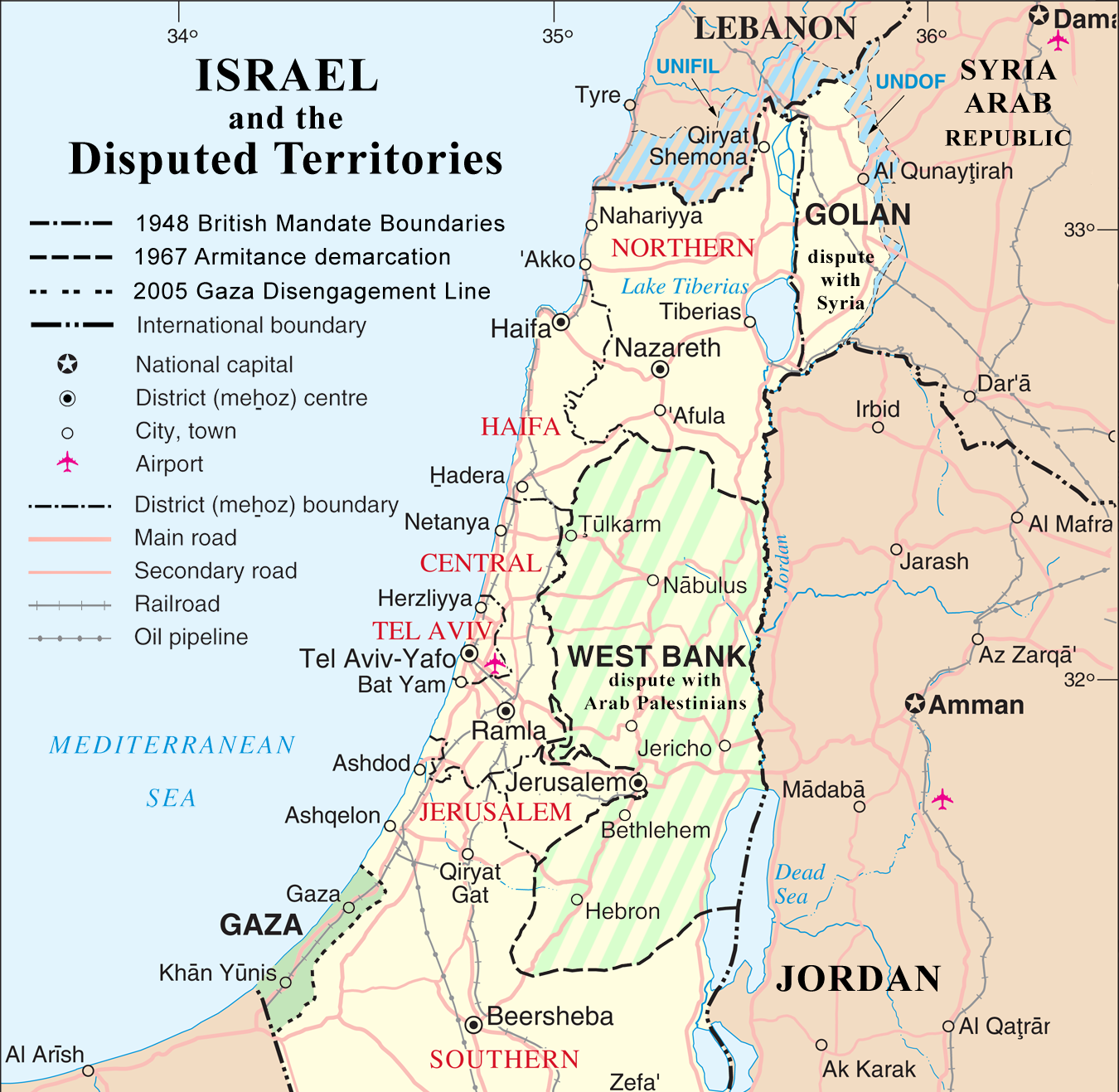
This SWOT Analysis might help to assess the impact of Israel’s military operation in Gaza to defeat Hamas and the Palestinian Islamic Jihad as well as future implications for Tel Aviv’s domestic and foreign policy and the geopolitics of the Middle East region considering different scenarios and regional actors.
The presence of North Caucasian volunteer fighters within the international legion in Ukraine presents a complex dynamic with implications for the broader regional and geopolitical landscape. Notably, their vocal expressions of solidarity with Palestine and criticism of Kyiv’s support for Israel underscore a nuanced discord within the Ukrainian conflict theatre
This report aims to examine potential scenarios, each bearing relevance to Tel Aviv’s prospective strategy in countering the threat posed by Hamas and Islamic Jihad, securing the release of hostages, and effectively mitigating any forthcoming dangers emanating from Hezbollah.
The Hamas military offensive against Israel underscored a critical lapse in Tel Aviv’s intelligence infrastructure and exposed vulnerabilities, thereby heightening the regional geopolitical risk.